Map

Batangas

CALABARZON
Luzon
Capital Batangas City
Population 2,908,494
Area 3,165 km²
Municipalities 30
Cities 4
Island Group Luzon
Languages Batangeño Tagalog, Filipino

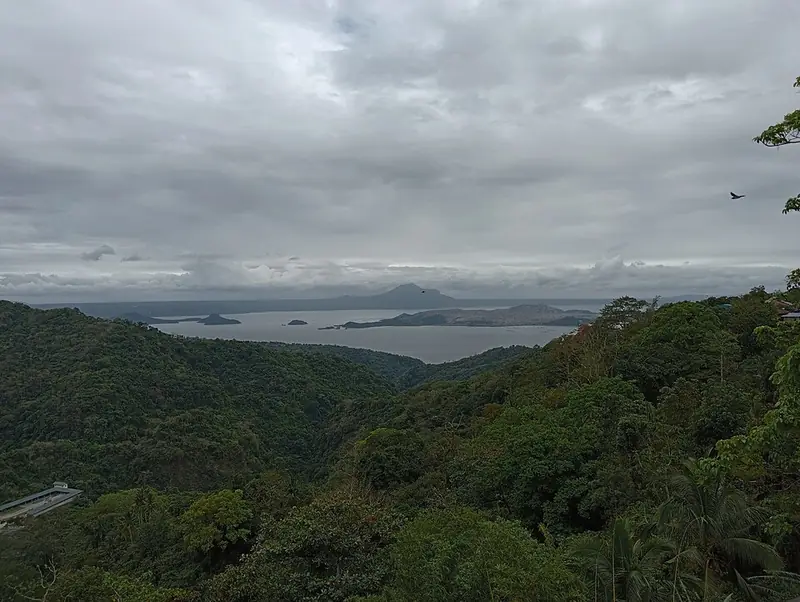
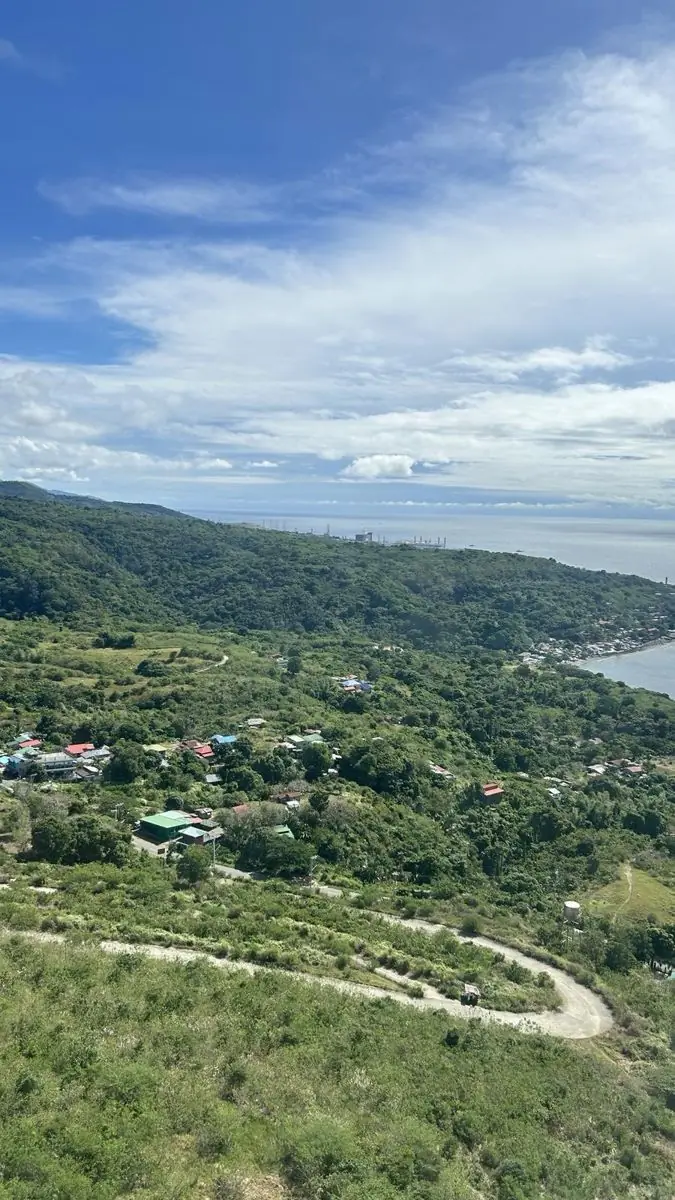
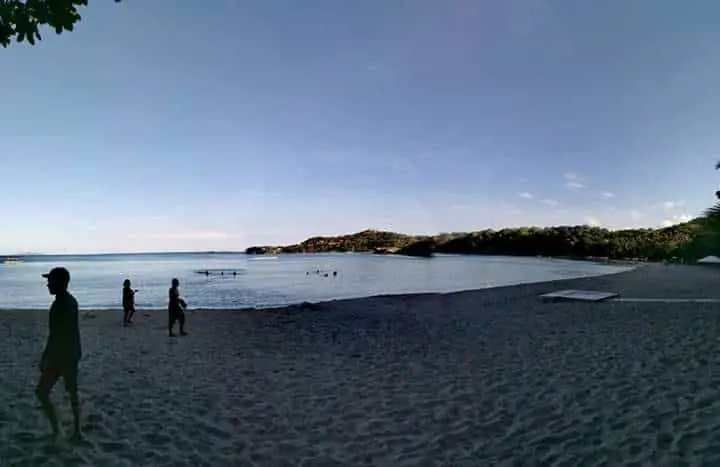
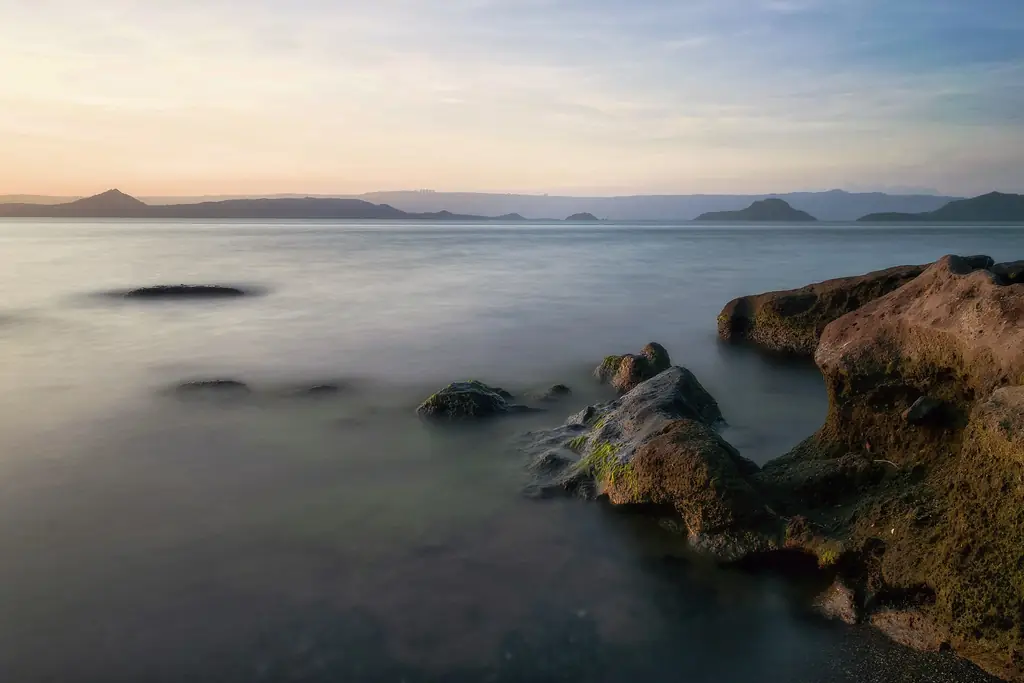
Batangas is a province in CALABARZON, south of Manila on the Luzon mainland. It occupies a broad peninsula facing the Sibuyan Sea and Verde Island Passage, with an interior defined by Taal Lake — the lake that contains Taal Volcano, the island that has a lake that contains another volcanic island. The geological layers here match the historical ones.

Batangas CityCapital
3,165 km²Area
30Municipalities
LuzonIsland Group

Batangas City is a major port and industrial center on the southern coast, facing Batangas Bay. It handles significant cargo traffic and is a departure point for ferries to Mindoro, Palawan, and the Visayas. The city is functional and busy in a way that the lakeside towns and beach municipalities of the province are not.

Volcano Inside a Lake Inside a Volcano

Taal Volcano sits on an island in Taal Lake. The lake itself occupies an ancient caldera. Within Taal Volcano's main crater is another crater lake — Crater Lake. This three-layer geological structure is unique in the world and is the source of Taal's extreme hazard: when eruptions occur, they can produce devastating base surges across the lake.

Batangueños have a reputation for directness and a fighting spirit tied to the province's martial history. Francisco Dagohoy's rebellion originated nearby; the Katipunan had strong chapters here; the province produced some of the most tenacious fighters of the Philippine Revolution. The local Tagalog dialect is distinct — faster, with vocabulary and pronunciation shifts that identify a speaker's origin immediately.

Batangas was part of the core territory of Tagalog civilization before Spanish contact. The province's coastal position and agricultural capacity made it significant under the Spanish encomienda system. It produced several major figures of Philippine history, including Apolinario Mabini, and was a center of Katipunan activity in the 1890s.

1572

Spanish Administration Established

The Spanish organized the territory of Batangas under the colonial administration, assigning encomiendas to Spanish colonizers and establishing the network of parish towns that defines the province's settlement pattern today.

1864

Taal Eruption

A major eruption of Taal Volcano forced the relocation of the town of Taal, which had been built near the lake shore, to its present location further inland. The eruption reshaped the geography of the lake basin.

1896–1898

Batangas and the Philippine Revolution

Batangas was a stronghold of the Katipunan and the Philippine Revolution. Apolinario Mabini — the 'Sublime Paralytic' and the Revolution's primary intellectual — was born in Tanauan, Batangas. The province mounted fierce resistance to Spanish and then American forces.

1900–1902

Bell's Campaign and Mass Atrocities

General J. Franklin Bell's 'pacification' campaign in Batangas involved concentration camps, food denial, and systematic destruction of farms and livestock. Estimates suggest that tens of thousands of Batangueños died from disease, starvation, and violence. It remains one of the most brutal episodes of the Philippine-American War.

January 2020

Taal Eruption and Mass Evacuation

Taal Volcano erupted in January 2020, sending ash to Manila and forcing the evacuation of more than 70,000 residents from communities around Taal Lake. The eruption lasted weeks, with activity continuing intermittently for months.

The Batangueño character is often described in terms of directness — a willingness to say what is meant that can read as bluntness to outsiders. It is a regional trait that Batangueños acknowledge and are not embarrassed about. It is connected to the province's martial history: a culture that has fought multiple occupations does not develop a tradition of indirect communication.

Apolinario Mabini

AM

Apolinario Mabini

Revolutionary statesman, primary intellectual of the First Philippine Republic1864–1903

Born in Tanauan, Batangas, Mabini was paralyzed from the waist down by polio but became the most important political thinker of the Philippine Revolution. He served as the first Prime Minister and Secretary of Foreign Affairs of the First Philippine Republic and wrote its constitutional principles. Known as the 'Sublime Paralytic,' he was exiled to Guam by American forces in 1901 and died of cholera two years after his return.

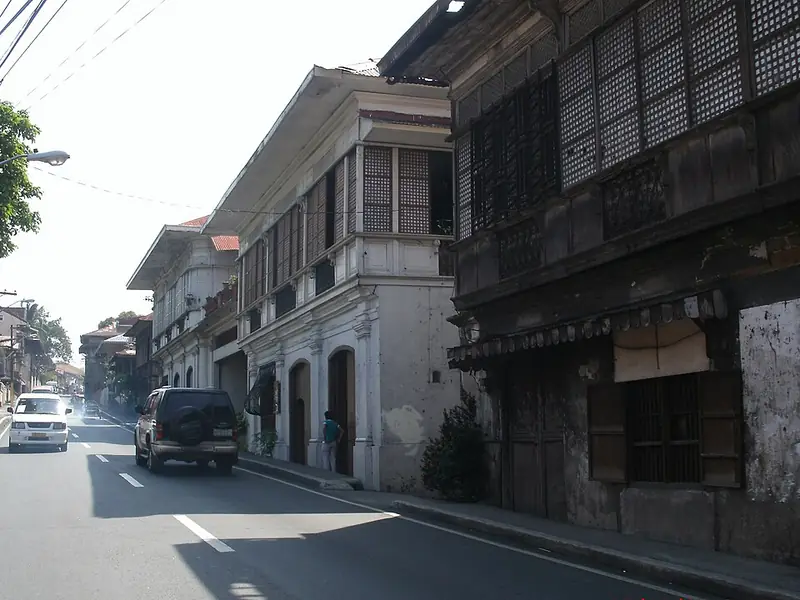
Taal Heritage Town

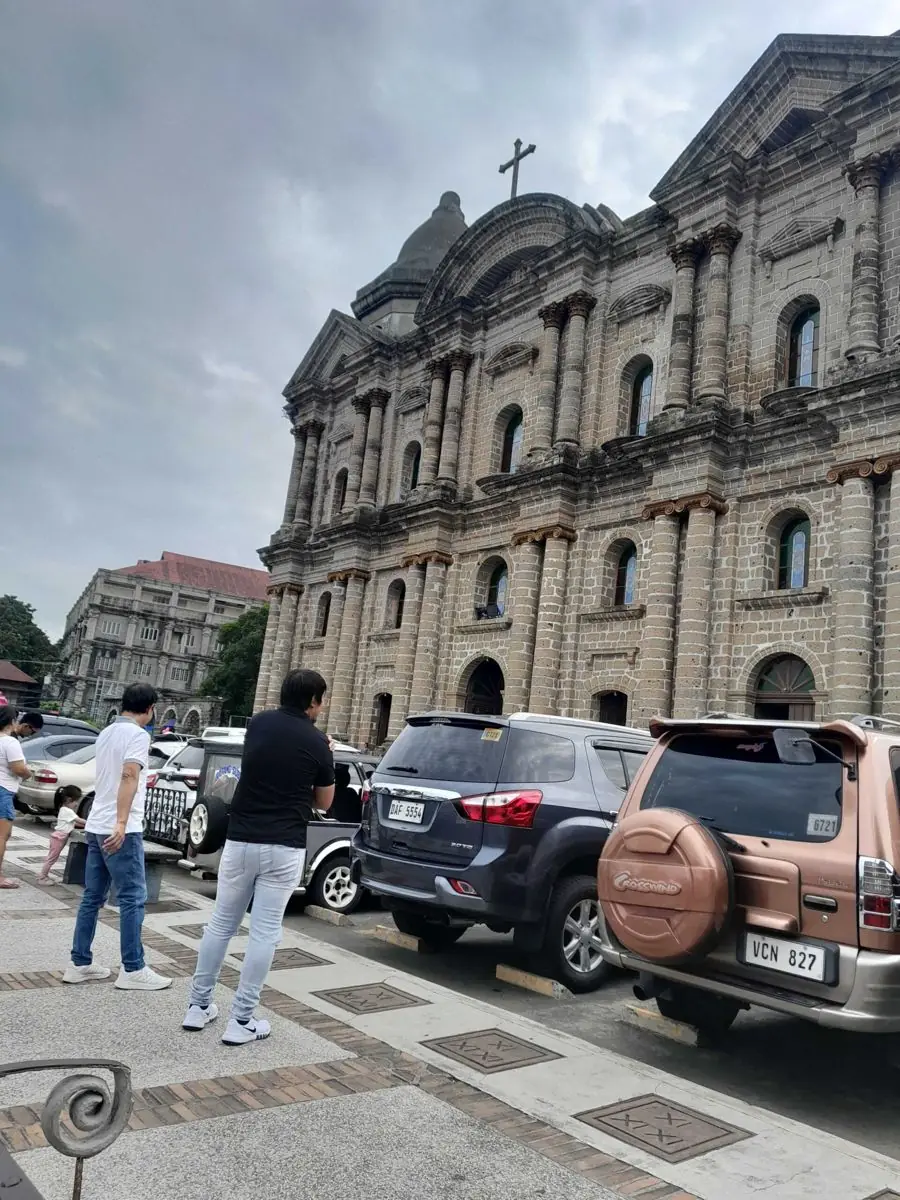
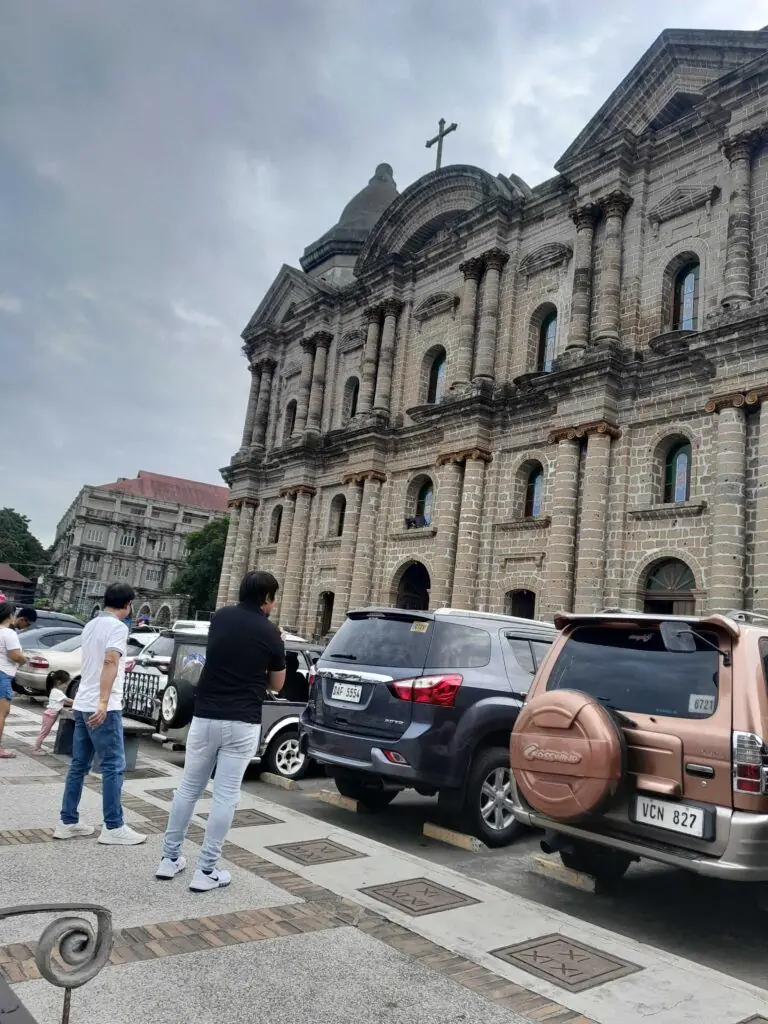
The town of Taal is considered one of the best-preserved heritage towns in the Philippines, with a concentration of colonial-era stone houses, the largest Catholic church in Asia (the Basilica of Saint Martin de Tours), and a town center that has remained largely unchanged since the 19th century.

Balisong and Fighting Arts

Batangas is the origin of the balisong — the butterfly knife. The knife has been made in the municipality of Talisay and nearby areas since the Spanish period. The balisong is both a tool and a martial instrument, and its association with Batangas fighting culture is well-established. The province's arnis and knife-fighting traditions are considered among the most developed in the Philippines.

Batangas has a distinct food identity, built on lomi, tawilis, and a particular approach to beef and pork that reflects the province's agricultural character. The cuisine is satisfying and filling — this is farming and fishing country, and the food reflects that.

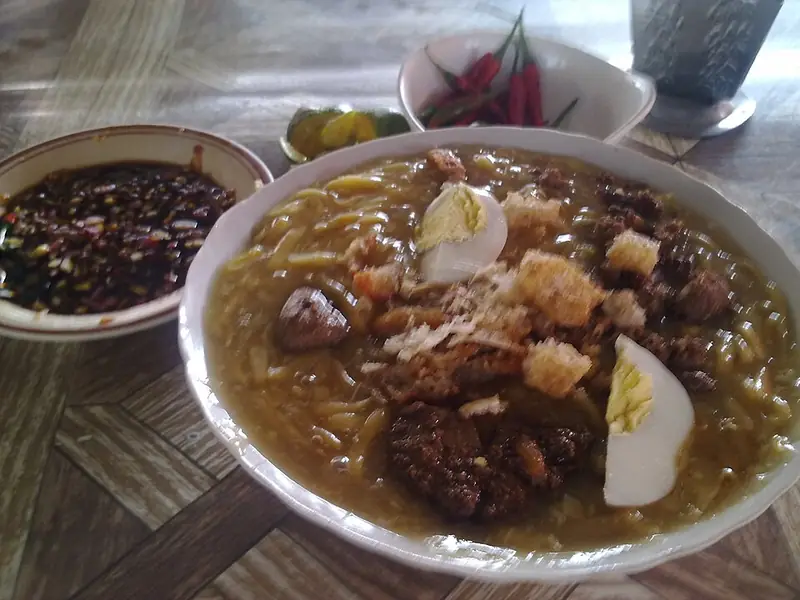
Lomi

Batangas lomi is a thick noodle soup of egg noodles in a starchy, gelatinous broth made from eggs and cornstarch. It is topped with sliced pork, liver, and squid balls, and served with calamansi and chili on the side. Every lomi house has its own recipe, and Batangueños are loyal to their preferred version.

Tawilis

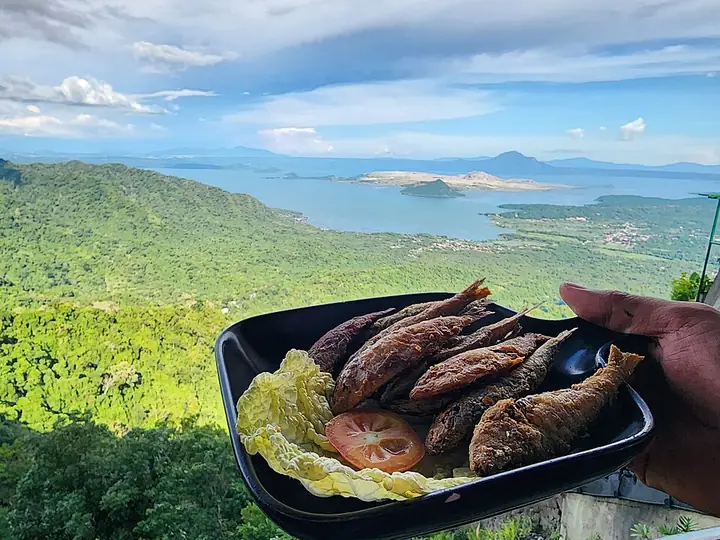
A freshwater sardine found only in Taal Lake — the only freshwater sardine species in the world. Tawilis is typically fried whole until crisp and eaten with rice and vinegar. The fishing community around Taal Lake depends on it, and tawilis availability fluctuates with the lake's health and Taal's volcanic activity.

Batangas Lomi

Batangas City and province
20 minutesPrep
30 minutesCook
4Serves
Ingredients
  • 400gfresh lomi noodles
  • 200g, thinly slicedpork belly
  • 150g, thinly slicedpork liver
  • 100g, slicedsquid balls or fish balls
  • 3, beateneggs
  • 3 tbsp dissolved in 1/4 cup watercornstarch
  • 6 cupschicken or pork stock
  • 5 cloves, mincedgarlic
  • 1 medium, slicedonion
  • 2 tbspsoy sauce
  • 1 tbspfish sauce
Method
  1. Sauté garlic and onion. Add pork belly and cook until browned.
  2. Add stock and bring to a boil. Add soy sauce and fish sauce.
  3. Add lomi noodles and cook for 5–7 minutes until softened.
  4. Add liver and squid balls. Cook 3 minutes more.
  5. Pour in cornstarch mixture and stir until broth thickens into a gelatinous consistency.
  6. Slowly drizzle beaten eggs into the soup while stirring, forming egg ribbons.
  7. Serve immediately with calamansi, chili, and extra fish sauce on the side.
Cook's note

The thick, starchy broth is the defining characteristic of Batangas lomi — it should coat the noodles, not flow freely. Do not underdo the cornstarch.

Batangueño Tagalog is a distinct variety of the language, immediately recognizable by its pronunciation patterns and vocabulary. The most noted feature is the use of /e/ where Manila Tagalog uses /a/ — 'eme' instead of 'ama' for father, for example. There are also vocabulary items specific to Batangas that are not used elsewhere.

Eh, Pare

Batangueño speech is often characterized by frequent use of 'eh' as a sentence particle — a conversational marker that signals informality and directness. It has entered broader Filipino popular culture as a marker of Batangueño identity.

Despite the distinctiveness of Batangueño Tagalog, it is mutually intelligible with Manila Tagalog and standard Filipino. The differences are sufficient to identify speakers but not to impede communication. Young Batangueños increasingly use Manila-influenced Tagalog in formal and media contexts while maintaining the local variety in home and community settings.

English is standard in education and business. Batangas City, as a port and industrial center, has significant English use in commercial contexts. The province's proximity to Manila means that Manila cultural and linguistic influences arrive quickly.

Batangas is one of the most accessible provincial destinations from Manila. Two to three hours by road puts you at Taal Heritage Town, the lake viewpoints, or the dive sites of Anilao. The province handles heavy weekend tourism traffic from the capital with reasonable infrastructure.

~2 hrs via STAR TollwayFrom Manila
Batangas Port — Mindoro, Palawan, RomblonFerry Hub
Monitor PHIVOLCS for Taal alert levelsVolcano Alert
Anilao — year-round, best Nov–JuneBest Diving

Taal Heritage Town

One of the most intact 19th-century town centers in Luzon. The Basilica of Saint Martin de Tours — claimed as the largest Catholic church in Asia — dominates the hilltop. Below it, streets of capiz shell windows and ancestral houses can be explored on foot. A two-hour walking tour covers the main sites.

Taal Volcano and Lake

The volcano is reached by boat from Talisay on the north shore of Taal Lake, then on foot or horseback to the crater rim. The view of the crater lake from the rim, and of Taal Lake from the volcano, is spectacular. Check PHIVOLCS alert levels before booking — the volcano is active and closures occur.

Anilao, Mabini

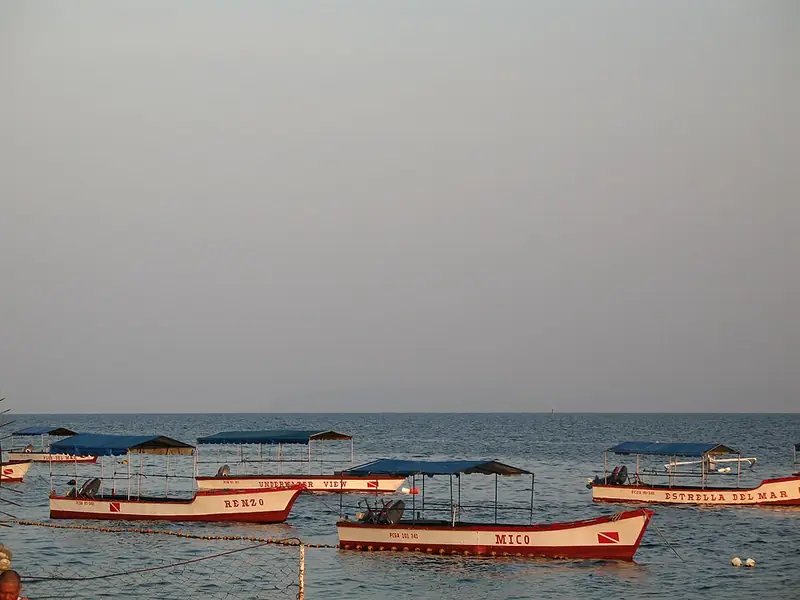
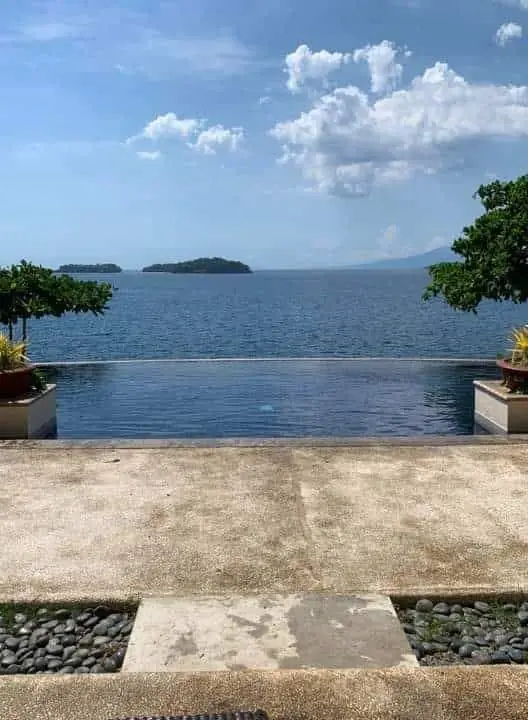
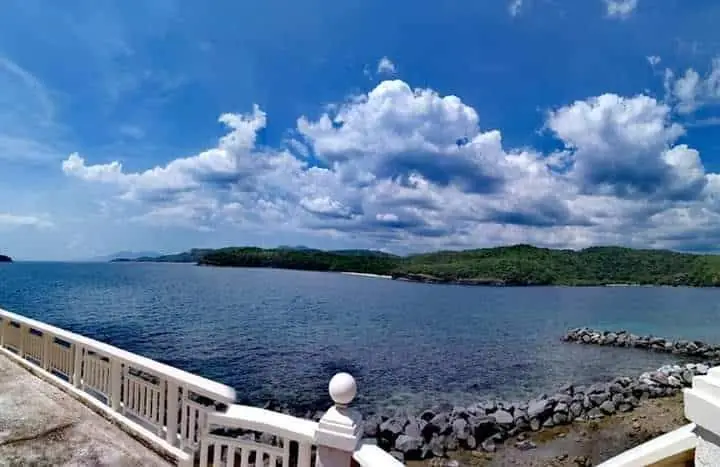
A municipality on the Calumpan Peninsula with a reputation among divers as one of the best macro-dive sites in Asia. The Verde Island Passage running past Anilao has extraordinary marine biodiversity. Dive resorts are clustered here at all price points.

Lomi for Breakfast

In Batangas, lomi is eaten at any hour, including breakfast. The best lomi houses in Batangas City and Lipa City open early and serve throughout the day. Look for shops that make their own noodles and make their broth from pork bones.

Apolinario Mabini wrote most of his important work unable to move from the waist down. He had contracted polio as a young man, and by the time the Revolution began in 1896, he could not walk. He wrote from a hammock, from a cot carried into meetings, from exile in Guam. He was the most important mind in the Philippine Republic's first government and he never once stood at a podium to deliver what he wrote.

Emilio Aguinaldo had Mabini as his advisor, which meant the president of the First Philippine Republic had a man who saw the politics of the revolution with unusual clarity advising him on every major decision. Mabini was against the Pact of Biak-na-Bato, which temporarily ended the revolution in exchange for money and the exile of the leaders to Hong Kong. He was right to be against it. He was against the Malolos Constitution provisions he found too conservative. He was right about those too.

When the Americans captured Mabini in 1900, he refused to swear loyalty to the United States. He was exiled to Guam with other holdouts. He remained in Guam until 1903, when he was allowed to return to Manila. He died of cholera five months after his return, at the age of 38.

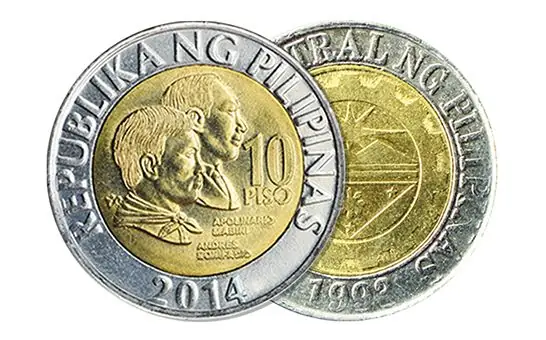
The house where he was born in Tanauan, Batangas, is now a museum. The hammock is gone, but the rooms are maintained. Batangas claims him fully — the province that produced the Revolution's best thinker has not forgotten the fact. His face is on the ten-peso coin, which means that every transaction in the Philippines carries a piece of him, which is a form of monument that serves better than most.