Map

Biliran

Eastern Visayas
Visayas
Capital Naval
Population 179,371
Area 536 km²
Municipalities 8
Cities 0
Island Group Visayas
Languages Cebuano, Waray

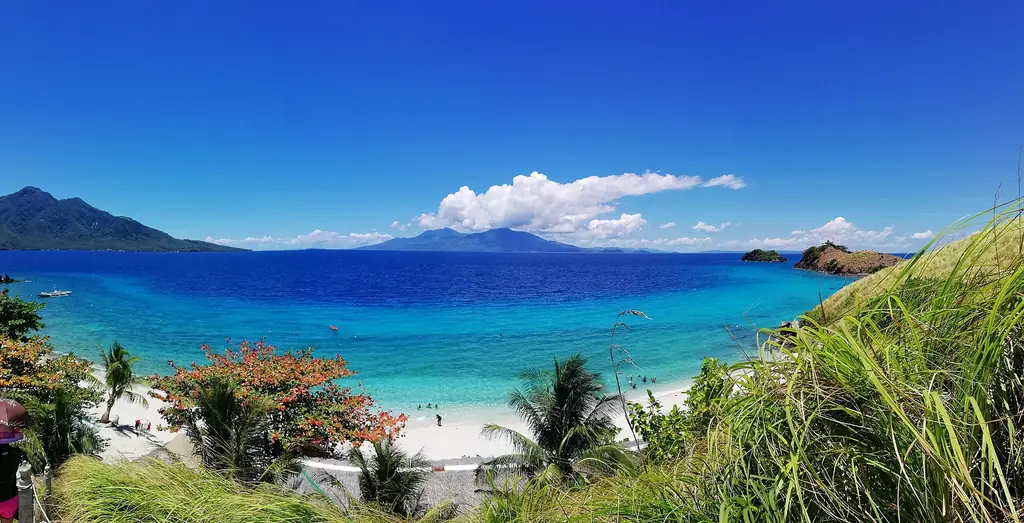
Biliran is a small island province in Eastern Visayas, tucked between Leyte to the south and Samar to the east, connected to Legazpi by a causeway. At 536 square kilometers, it is one of the smaller island provinces in the Philippines — a single main island and several smaller ones, with a landscape of steep forested hills, waterfalls, hot springs, and a coast that receives the Pacific swell.

NavalCapital
536 km²Area
8Municipalities
VisayasIsland Group

Naval is a small port town on the western side of the island, facing Carigara Bay. A causeway connects Biliran to the Leyte mainland at the town of Naval. The connection has made Biliran accessible without making it crowded — most visitors to the region go to Tacloban and Leyte, and Biliran remains off the standard itinerary.

Volcano and Hot Springs

Biliran has an active volcanic area in its interior, with hot springs and a partially active volcanic system. The Mainit Hot Spring in Almeria and the Agta Falls area are sustained by this geothermal activity. A volcanic island — Maripipi — lies off Biliran's northern coast and has its own active thermal features.

The province is predominantly agricultural and coastal — fishing, coconut farming, and rice cultivation are the economic base. Biliran is not yet developed for mass tourism, which is why the waterfalls are still surrounded by forest and the beaches are still quiet.

Biliran was historically part of Leyte, and its settlement patterns reflect the broader Visayan migration and community-building that characterized the region. Spanish missionaries worked through Biliran as part of their Leyte operations, establishing parishes in the coastal towns.

1583

Augustinian Mission in Biliran

Augustinian missionaries established a presence in Biliran as part of their evangelization of the Eastern Visayas. The island was organized into parishes under the Leyte mission structure.

1945

Battle of Leyte Gulf Aftermath

The waters around Biliran and the Visayan Sea were part of the theater of the Battle of Leyte Gulf in October 1944 — the largest naval battle in history. Biliran's waters saw Japanese naval movements and American counter-operations as part of the broader campaign.

1992

Biliran Becomes a Full Province

Biliran was separated from Leyte and constituted as an independent province, with Naval as its capital. The separation recognized the island's distinct geographic identity.

November 2013

Typhoon Yolanda

Typhoon Haiyan (Yolanda) passed over the Eastern Visayas on November 8, 2013. While the worst devastation hit Leyte and Samar, Biliran suffered significant damage, particularly to coastal infrastructure and agriculture. Recovery was ongoing for years.

The province's recent history has been shaped by the challenge of infrastructure development on a small island with limited revenue, and by the ongoing threat of extreme weather events in a region that catches typhoons with regularity.

Biliran culture is Waray at its base — the island belongs to the Eastern Visayas cultural region, and the people share the language, values, and traditions of the Waray people of Leyte and Samar. The island's small scale creates a community where most families have connections across municipal lines.

Festivals

Naval's Pintados Festival, celebrated in June, is modeled on the larger Pintados-Kasadyaan Festival in Tacloban. The Pintados tradition commemorates the ancient Visayan practice of tattooing — pintados meaning 'painted ones,' the name the Spanish gave to Visayans they found covered in intricate tattoo work. The festival features street dancing with body painting and traditional costume.

Maripipi Island

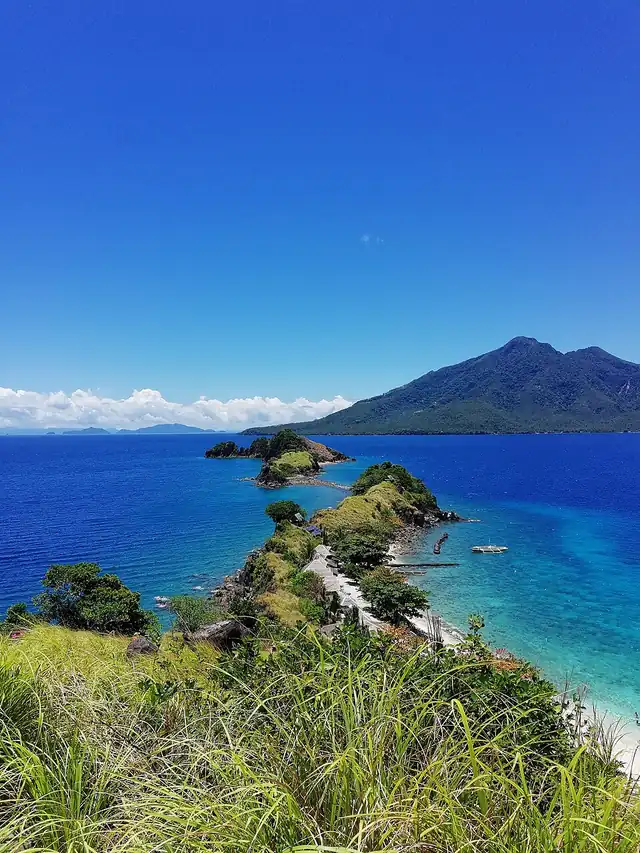
Maripipi is a small volcanic island north of Biliran with a cone-shaped profile visible from Naval. The island has its own hot springs and is known for its undisturbed marine environment. It is accessible by motorized banca and sees very few visitors.

Fishing Communities

Coastal communities on Biliran depend on the sea in the traditional sense — small-boat fishing, fish traps, and net fishing in the surrounding waters. The fishing calendar follows the seasonal patterns of the Visayan Sea and the San Pedro Strait. Fish from Biliran waters appear in markets on the Leyte mainland.

Waray food — the cuisine of Biliran and the broader Eastern Visayas — is built on seafood, coconut milk, vinegar, and a general simplicity that comes from coastal agricultural communities eating what they catch and grow. The province is not known for elaborate preparations, but the quality of the raw ingredients is high.

Inubaran

A Waray dish of banana blossom or young jackfruit cooked with coconut milk and shrimp or fish. Similar preparations appear across Eastern Visayas with local variations in the vegetables and protein used. Inubaran from Biliran typically uses locally caught shrimp.

Sinabawang Isda

A simple fish soup — fresh fish boiled with ginger, onion, and tomatoes in a clear, lightly salted broth. The fish must be very fresh; in Biliran, that is rarely a problem. The simplicity of the dish is its quality.

Kinunot na Pagi (Stingray in Coconut Milk)

Eastern Visayas / Biliran
20 minutesPrep
30 minutesCook
4Serves
Ingredients
  • 500g, cleaned and cut into piecesstingray (pagi)
  • 2 cupscoconut milk
  • 1 cupmalunggay leaves
  • 2-inch knob, juliennedginger
  • 4 cloves, mincedgarlic
  • 1 medium, slicedonion
  • 2 tbspvinegar
  • 3 piecessiling labuyo
  • to tastefish sauce
Method
  1. Rinse stingray pieces and briefly marinate in vinegar for 10 minutes to reduce the ammonia smell. Rinse again.
  2. Sauté garlic, onion, and ginger. Add stingray pieces and cook for 3 minutes.
  3. Pour in coconut milk and bring to a simmer. Add chilies.
  4. Cook uncovered for 20 minutes, stirring occasionally, until the sauce thickens.
  5. Add malunggay leaves in the last 2 minutes. Season with fish sauce.
  6. Serve with rice.
Cook's note

Stingray has an ammonia smell when fresh that is eliminated by the vinegar soak and cooking. Do not skip this step. The cartilaginous flesh becomes tender with sufficient cooking time.

Waray-Waray (commonly called Waray) is the primary language of Biliran, shared with Leyte and Samar. It belongs to the Central Philippine branch of Austronesian and is closely related to Cebuano and Hiligaynon but distinct from both.

Waray Saying

A popular characterization of Waray people is captured in the phrase 'Waray-waray' — sometimes translated as 'nothing-nothing' or 'don't care,' suggesting a devil-may-care attitude. Waray speakers generally find this characterization more amusing than accurate. The term more precisely refers to the language and people of the region.

Cebuano is understood in Biliran given the province's proximity to Cebu-influenced trade networks through Leyte. Filipino is the standard language for education and government. In practice, Waray is the dominant home and community language throughout the province.

Waray oral literature includes epic poems and narrative traditions associated with the ancient Visayan tattooed warrior culture. The Pintados tradition — the body painting and warrior culture of pre-colonial Eastern Visayas — is reflected in language, in festival practice, and in the cultural identity of the region.

Biliran is reached through Tacloban in Leyte — fly to Tacloban, then take a bus or van to the Biliran causeway. The island can be explored by rented motorcycle or by tricycle from Naval. There is no commercial airport on the island. Accommodation is basic and limited; there are a handful of small hotels in Naval.

Daniel Z. Romualdez, Tacloban (~2.5 hrs drive)Nearest Airport
Causeway from Leyte mainland at CaibiranAccess
March to JuneBest Season
High; located in typhoon beltTyphoon Risk

Redeña Falls, Caibiran

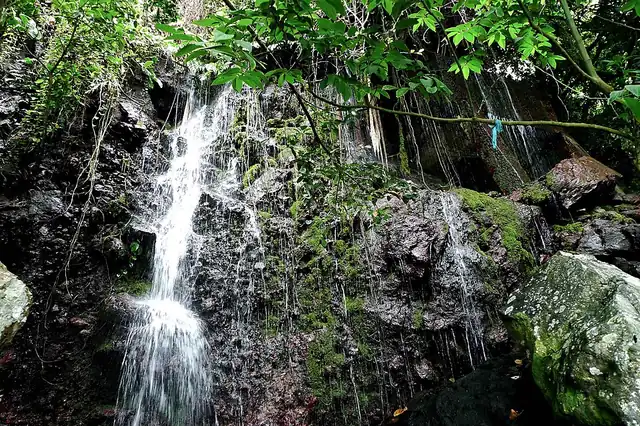
A multi-tier waterfall in the forested interior of Biliran, reached by a 30-minute trek from the highway. The falls drop into a natural swimming pool. The trail passes through secondary forest with birds and occasional wildlife.

Mainit Hot Spring, Almeria

Naturally hot spring pools in the northern municipality of Almeria, heated by Biliran's geothermal activity. The springs are maintained as a local recreation area. The water temperature is hot enough to require acclimatization.

Maripipi Island

A small volcanic island off Biliran's northern coast, accessible by banca from the municipality of Maripipi. The island has undisturbed reefs, a volcanic cone, and a small community. It is best for snorkeling and a quiet day without a crowd.

Island Circuit

A full circuit of Biliran Island by motorcycle takes about four hours with stops. The road follows the coast and offers consistent views of Carigara Bay, Samar, and the smaller islands. Rent a motorcycle in Naval for the day.

The causeway to Biliran was opened in 1999. Before that, the island was accessible only by boat — a short crossing from the Leyte mainland, maybe twenty minutes in good weather. The causeway changed Biliran. It made the trip routine. People could drive across to the Leyte market in the morning and return for lunch. The island became part of the mainland in a practical sense.

What the causeway also did was make Biliran visible. Before it, the island was one of those places that existed in the knowledge of people who lived nearby but not on any map that outsiders used. After it, buses from Tacloban could run all the way to Naval without a ferry transfer. The tourists who came to Eastern Visayas looking for somewhere quieter than the main destinations found the causeway listed in their guides.

Typhoon Yolanda hit in November 2013. The causeway survived. The province did not survive intact — damage to roofs, to fishing boats, to coconut trees was widespread. The recovery took years, and in some communities it is still not complete. The Eastern Visayas was not back to normal quickly after Yolanda; the scale of the destruction across Leyte and Samar was too large for anything to recover quickly.

The waterfalls on Biliran kept falling through all of it. The Redeña Falls and the other cascades in the interior don't know about causeway openings or typhoon damage or tourism guides. They fall because the mountains catch the rain and the rain finds its way down. People have been swimming at the base of Redeña Falls for as long as there have been people on the island, and they will be swimming there long after the current generation is gone. The falls are the oldest thing in the province, and the most reliable.