Map

Bohol

Central Visayas
Visayas
Capital Tagbilaran City
Population 1,394,329
Area 4,821 km²
Municipalities 47
Cities 1
Island Group Visayas
Languages Cebuano, Boholano

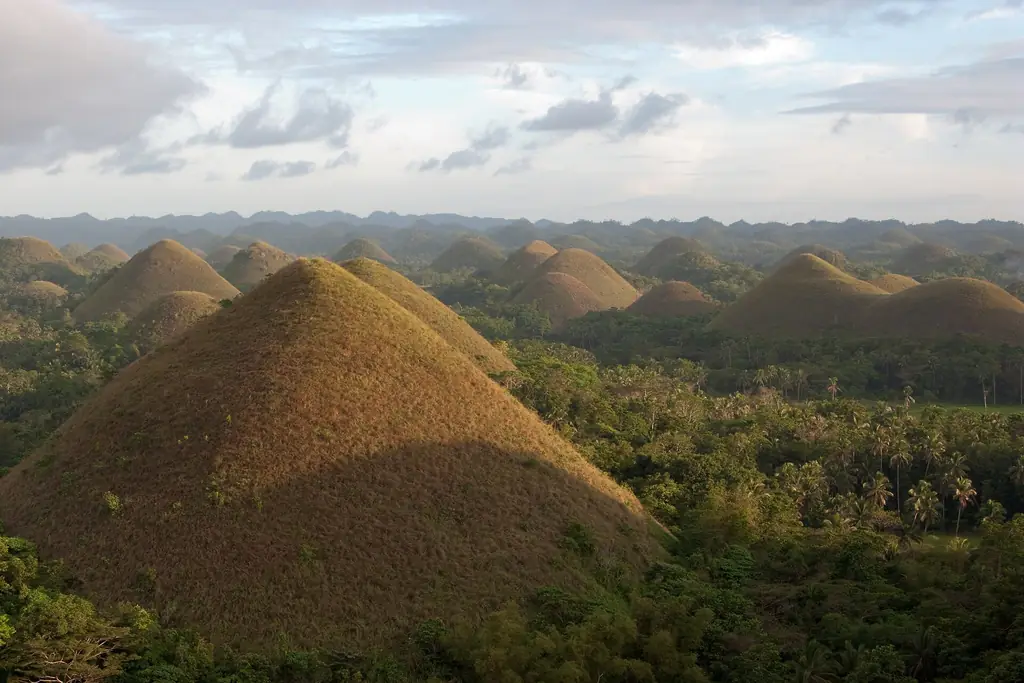
Bohol is an island province in Central Visayas, south of Cebu and northeast of Mindanao. It is one of the most visited provinces in the Philippines, with two attractions that are effectively unique in the world: the Chocolate Hills — 1,268 dome-shaped limestone mounds that turn brown in the dry season — and the Philippine tarsier, a primate so small it fits in a human palm and has eyes larger than its brain.

Tagbilaran CityCapital
4,821 km²Area
47Municipalities
VisayasIsland Group

Tagbilaran City sits on the southwestern tip of the island, facing the Bohol Strait. It is a compact, navigable city with a functioning heritage area around its old church. The city is the entry point for most visitors, who then disperse to the Chocolate Hills, the Loboc River, the tarsier sanctuaries, and the beach resorts of Panglao Island, connected to the mainland by a bridge.

1,268 Hills

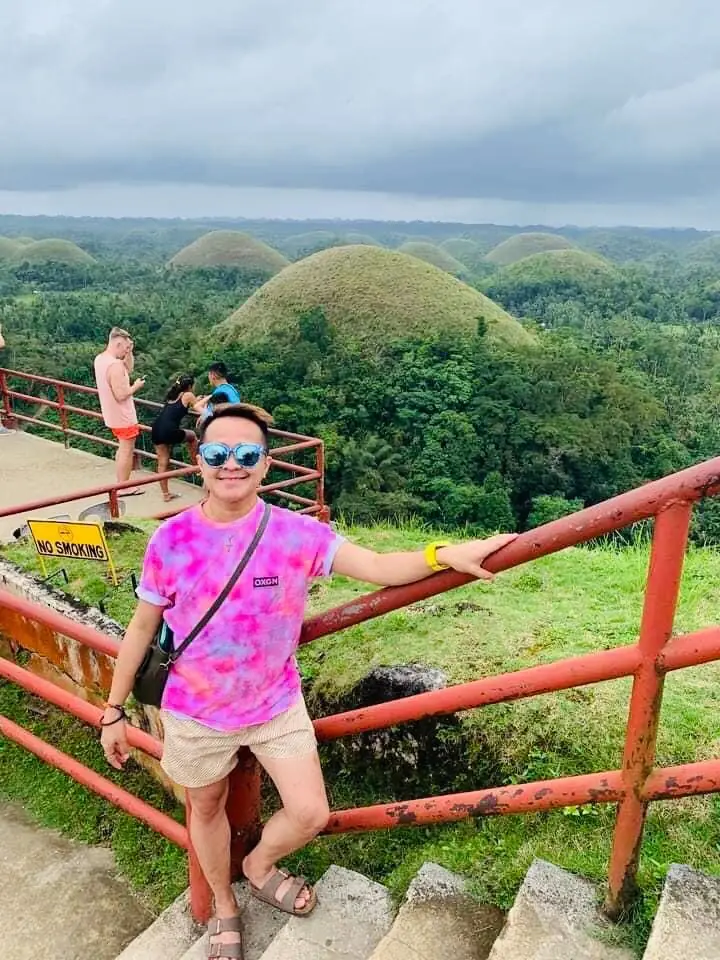
The Chocolate Hills are not a rough count but an official figure: 1,268 hills spread across the municipalities of Carmen, Batuan, and Sagbayan. They are made of marine limestone, uplifted and eroded over millions of years. The grass-covered slopes turn brown in the dry season (March–May), producing the chocolate appearance that named them.

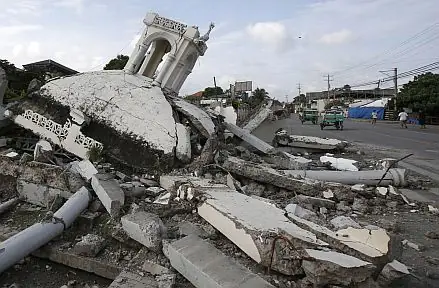
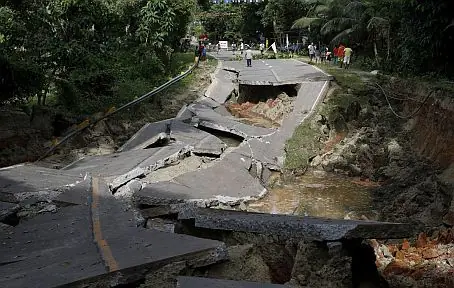
The 2013 earthquake (magnitude 7.2) that struck Bohol on October 15 caused severe damage to the province's heritage churches — including the Baclayon Church, one of the oldest in the Philippines — and killed more than 200 people. Recovery and restoration have continued in the years since, but some structures remain unrepaired.

Bohol's recorded history begins with Magellan's expedition. It is the site of the first blood compact — the sikatuna-Magellan pact — in 1565. The island subsequently became a center of Spanish missionary activity and later a site of one of the longest-running revolts in Philippine colonial history.

1565

Blood Compact with Legazpi

Miguel López de Legazpi conducted a blood compact — a traditional Visayan ritual of alliance — with Datu Sikatuna of Bohol, sealing a treaty of friendship. The event is depicted on the Philippine one-peso coin and is considered the first formal treaty between Filipinos and Spaniards.

1595

Baclayon Church Constructed

The Jesuits built the Baclayon Church, one of the oldest stone churches in the Philippines. The church used forced labor from surrounding communities and became a center of Jesuit mission operations in Bohol.

1744–1829

Dagohoy Rebellion

Francisco Dagohoy led the longest revolt in Philippine colonial history — 85 years of resistance against Spanish authority in Bohol's interior mountains. The revolt began after a Spanish friar refused a Christian burial to Dagohoy's brother. At its height, the rebel community numbered tens of thousands. The revolt ended only in 1829 when the Spanish offered amnesty.

1898

End of Spanish Rule

The Revolution reached Bohol, and Spanish authority collapsed. The province was incorporated into the American colonial Philippines, with the new administration reorganizing local government and establishing public schools.

October 15, 2013

Bohol Earthquake

A magnitude 7.2 earthquake struck Bohol, killing 222 people and causing widespread damage to heritage churches, infrastructure, and homes. The Baclayon Church, Loboc Church, and several other colonial-era structures suffered major structural damage.

Bohol culture is Cebuano at its root — the language, food, and general cultural patterns are those of the wider Central Visayas. What distinguishes Bohol within this framework is the Dagohoy heritage, the depth of the heritage church tradition, and a particular civic pride in the province's natural features.

Francisco Dagohoy

FD

Francisco Dagohoy

Rebel leader, longest revolt in Philippine colonial historyc. 1724–1800s

Born Francisco Sendrijas in Inabangan, Bohol, Dagohoy launched his rebellion in 1744 after a Jesuit priest refused a Christian burial to his brother, who had died in a duel. The refusal violated what Dagohoy considered a binding obligation of the Church. He retreated into the mountains and built a community of resistance that lasted 85 years and included, at its peak, over 20,000 people. His name and story are part of every Bohol schoolchild's education.

The Philippine Tarsier

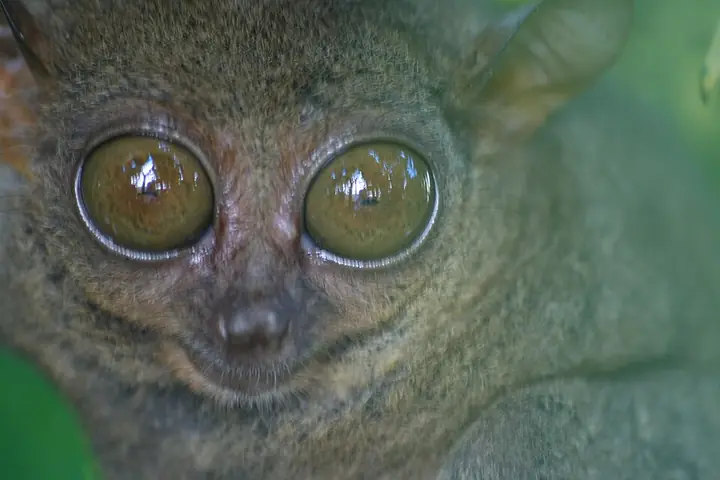
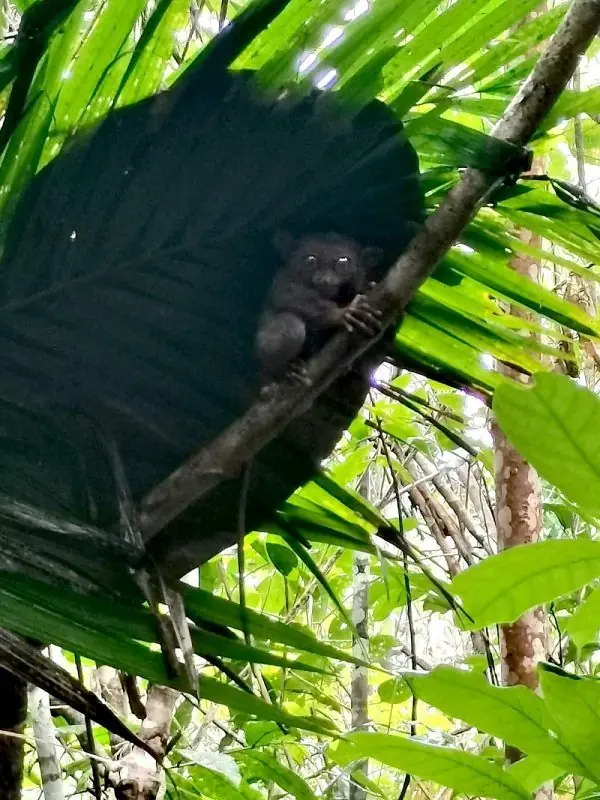
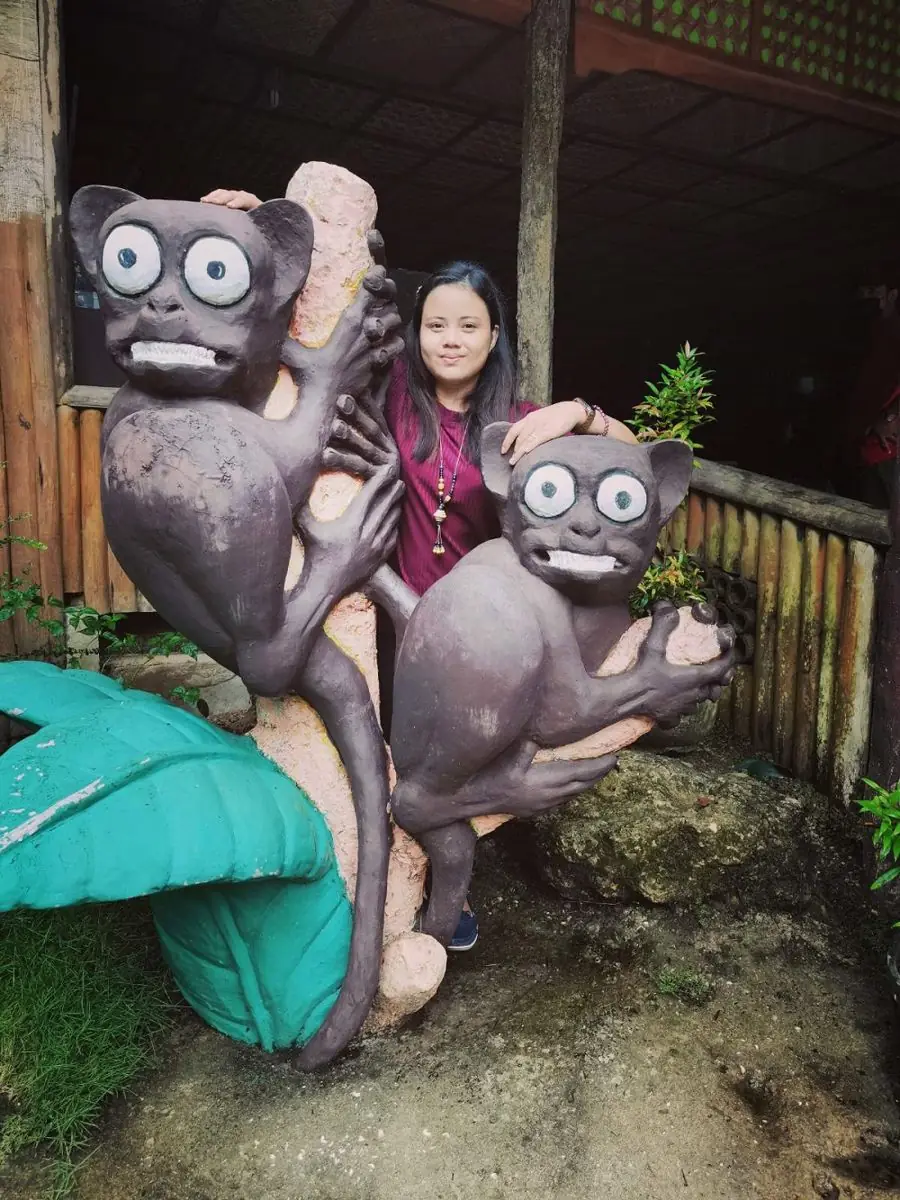
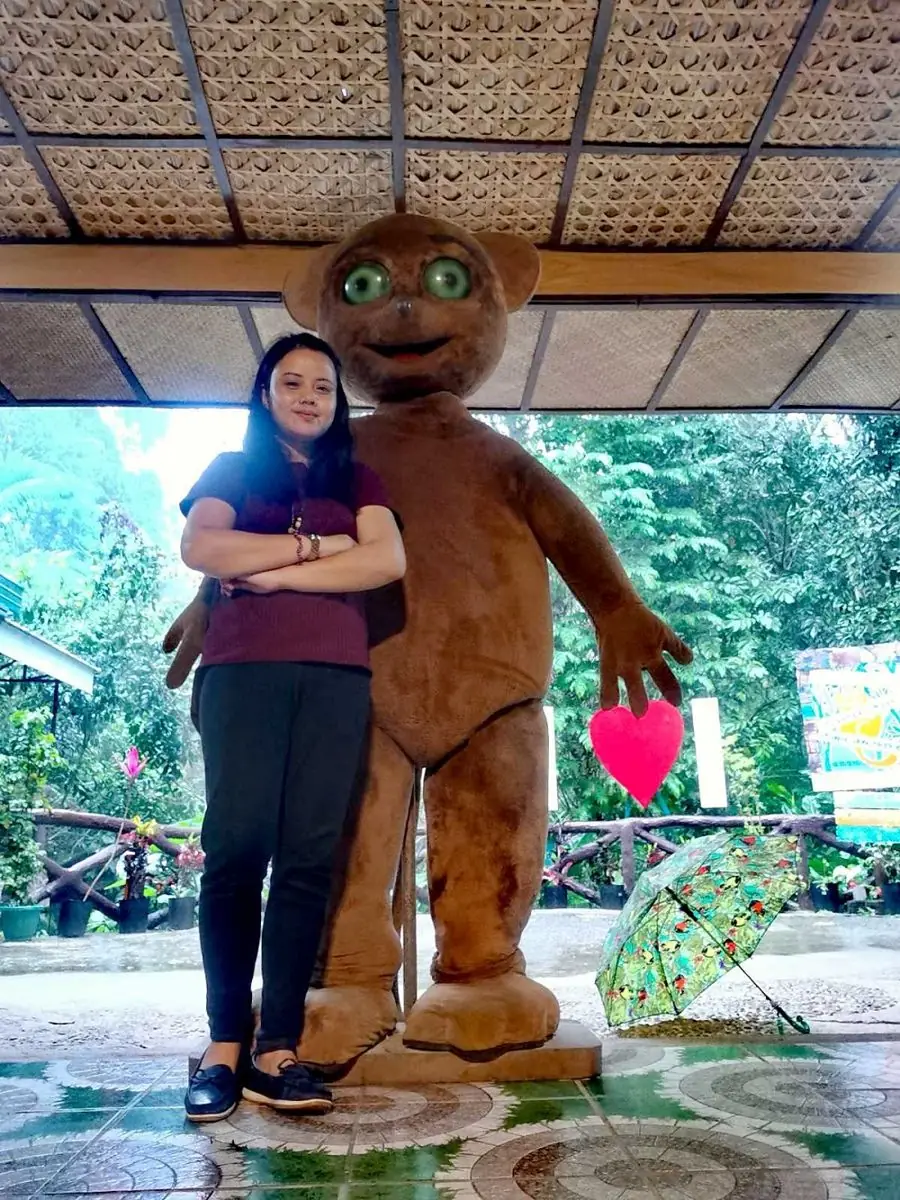
The Philippine tarsier (Carlito syrichta) is one of the world's smallest primates — adults weigh between 80 and 160 grams. Their eyes, which cannot move in their sockets, are each larger than their brain. Tarsiers are nocturnal, carnivorous (they eat live insects and small vertebrates), and extremely sensitive to noise and bright light. They are endemic to several Philippine islands, with Bohol being the most associated habitat.

Heritage Churches

Bohol has one of the highest concentrations of Spanish colonial-era churches in the Philippines, reflecting the intensity of Jesuit and then Augustinian mission activity on the island. The churches of Baclayon, Loboc, Loay, Dimiao, and Jagna — most built in the 17th and 18th centuries from coral stone — form a circuit of heritage architecture that survived largely intact until the 2013 earthquake.

Bohol's food is Central Visayan in character — Cebuano cooking patterns, with fresh seafood from the Bohol Sea, coconut-based preparations, and the pork dishes that appear at every celebration. The province also has a distinct sweet tradition tied to the cassava and caramel sweets produced in several municipalities.

Lechon

Whole roasted pig, the centerpiece of every major Bohol celebration. Bohol lechon is made with the liver sauce (sarsa) on the side and the skin crackled to a shattering crunch over charcoal. The stuffing — typically lemongrass, garlic, spring onion, and sometimes dried herbs — perfumes the meat from inside.

Calamay

A thick, sticky sweet made from glutinous rice, coconut milk, and brown sugar, packaged in half coconut shells and sold as a Bohol specialty. The texture is somewhere between toffee and rice cake. It is made primarily in the municipality of Jagna and sold throughout the province as pasalubong.

Kinilaw na Isda

Bohol / Central Visayas
20 minutesPrep
0 minutes (acid-cured)Cook
4Serves
Ingredients
  • 500g, skinned and cut into 1cm cubesvery fresh white fish (tanigue or lapu-lapu)
  • 1/2 cupcane vinegar
  • 3 tbspcalamansi juice
  • 2-inch knob, finely juliennedginger
  • 1 medium, thinly slicedred onion
  • 1/2 cupcoconut cream
  • 2–3 pieces, sliced thinsiling labuyo
  • to tastesalt
Method
  1. Place fish cubes in a bowl and pour vinegar over them. Stir gently to coat. Leave for 5 minutes — the fish will turn opaque as the acid denatures the proteins.
  2. Drain the vinegar. This first vinegar is discarded — it removes the raw fish smell.
  3. Add fresh calamansi juice, ginger, onion, and chilies. Toss gently.
  4. Pour coconut cream over the fish and mix.
  5. Season with salt. Taste and adjust acid and salt balance.
  6. Serve immediately with rice or as a starter.
Cook's note

The fish must be extremely fresh — kinilaw is only as good as the quality of the fish. Use the freshest fish available and serve within 30 minutes of preparation.

Cebuano is the primary language of Bohol, spoken throughout the province. Bohol Cebuano has its own distinct accent and some vocabulary differences from Cebu City Cebuano, but the two are fully mutually intelligible. Bohol speakers are sometimes good-naturedly ribbed by Cebu speakers for their accent, and return the favor.

Bol-anon

Bohol Cebuano speakers sometimes refer to their variety as 'Bol-anon' — the language of Bohol. This is a regional identification rather than a linguistically distinct language, but it reflects the strong provincial identity that Bohol maintains within the Cebuano-speaking world.

Filipino and English are standard in education and government. Tagbilaran City, as a tourist hub, has significant English use in the hospitality sector. Cebuano remains the language of home, market, and community across the 47 municipalities.

The province has no significant indigenous language community distinct from Cebuano. Unlike Leyte and Samar (Waray) or Negros Occidental (Hiligaynon), Bohol is linguistically unified under Cebuano, which simplifies inter-community communication but reduces linguistic diversity.

Bohol is well set up for visitors — a good road network, reliable accommodation in multiple price ranges, and an airport in Tagbilaran that receives direct flights from Manila, Cebu, and several international points. The main attractions are concentrated enough to be covered in two to three days, but the province rewards longer stays.

Bohol-Panglao International (TAG)Airport
~1.5 hrs by airFrom Manila
2 hrs by fast ferryFrom Cebu
February to MayBest Season

Chocolate Hills, Carmen

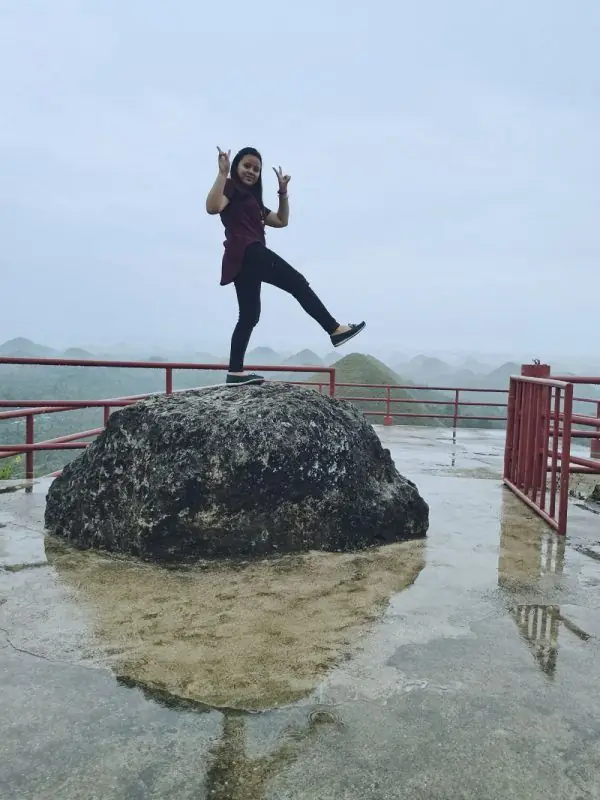
The viewing complex in Carmen municipality has two observation decks on one of the larger hills, giving a 360-degree view of the surrounding domes. The hills are most impressive in the dry season (March–May) when they turn brown. In the wet season they are green, which is also striking, just differently.

Philippine Tarsier Sanctuary, Corella

The Corella sanctuary is run by the Philippine Tarsier Foundation and is the most responsible tarsier viewing venue in Bohol. Tarsiers live in the sanctuary forest in semi-wild conditions. Visitors walk with a guide through the trees and observe tarsiers at rest (they are nocturnal and sleep during visitor hours). No flash photography, no noise.

Loboc River Cruise

A floating restaurant cruise along the Loboc River through dense riparian forest. The river is calm, the forest overhangs, and lunch is served on board. The cruise is widely visited and somewhat touristy, but the river itself is genuinely beautiful.

Panglao Island

Connected to the Bohol mainland by bridge, Panglao is the beach destination of the province — Alona Beach being the main strip of resorts and dive shops. The waters around Panglao are part of the Bohol Sea, with coral walls and diverse marine life. Dive operators here offer access to some of the best diving in the Visayas.

Hire a Tricycle for a Day

The most efficient way to see the Chocolate Hills, Baclayon Church, the tarsier sanctuary, and the Loboc River in a single day is to hire a tricycle with a driver for the full day. Rates are negotiable from Tagbilaran. The driver doubles as a guide and knows the roads.

In 1744, a Jesuit priest named Father Gaspar Morales refused to give a Christian burial to Sagarino, a man who had died in a duel. Sagarino was the brother of Francisco Dagohoy, a local official in the town of Inabangan. The reason for the refusal — dueling was considered a mortal sin — was theologically consistent. It was also the wrong decision at the wrong time with the wrong family.

Dagohoy killed Father Morales and then retreated into the mountains of Bohol's interior. He built a community in the forested highlands — first dozens, then hundreds, then thousands of people who had their own reasons to want out of the colonial system. At the height of the rebellion, estimates put the population of Dagohoy's community at 20,000. They had their own governance, their own food production, and eighty-five years of successful resistance against every Spanish force sent to eliminate them.

The revolt outlasted Dagohoy himself by decades — he died sometime in the late 18th century, and the community he built continued under subsequent leaders until 1829, when the Spanish finally offered amnesty. The surviving rebels were settled in new towns established specifically for them. The 85-year revolt is the longest in Philippine colonial history, and it came down to a burial refusal.

The Spanish recorded the whole thing meticulously. The colonial archives contain annual reports of campaigns against the Dagohoy rebels, estimates of their numbers, accounts of their raids on lowland towns, and the repeated frustrations of soldiers who could not dislodge an enemy that knew the forest and had nowhere else to go. The mountain where the community lived is still called Dagohoy's territory in local usage. Bohol has not forgotten that one man's refusal to accept an unjust decision produced eighty-five years of consequences.