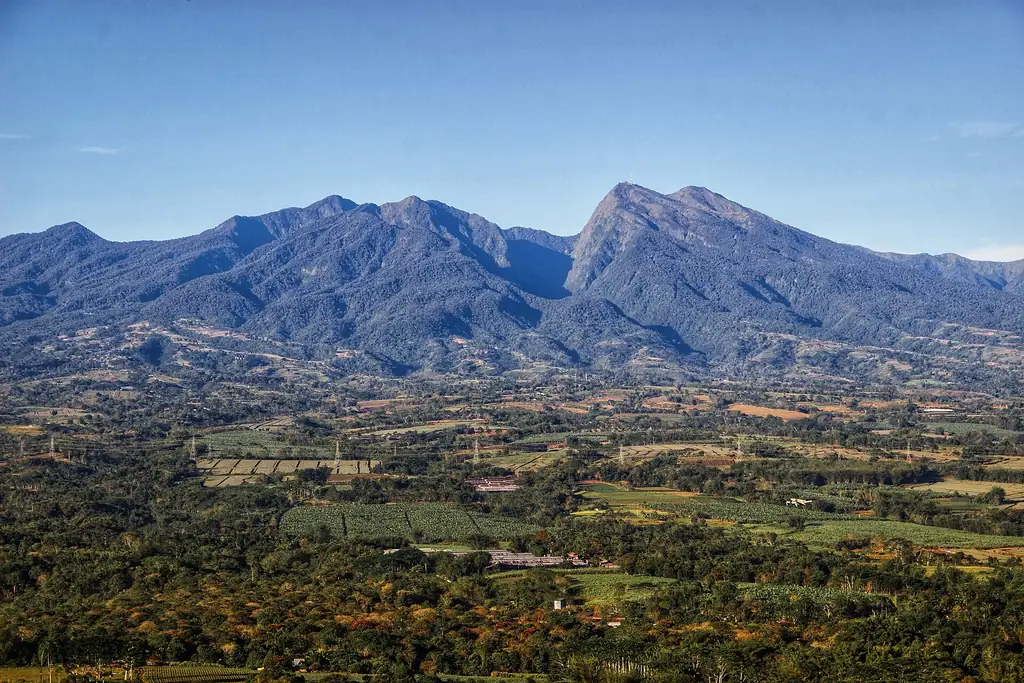
Bukidnon is a landlocked plateau province in Northern Mindanao, sitting at an average elevation of 600 to 1,000 meters above sea level. Its cool climate and fertile volcanic soil support large-scale agriculture — pineapple and sugarcane plantations dominate the landscape, with Del Monte Philippines operating one of its largest facilities here. The province is home to seven recognized indigenous peoples: Binukid, Higaonon, Talaandig, Manobo, Matigsalog, Tigwahanon, and Umayamnon.
Malaybalay CityCapital
10,498 km²Area
20Municipalities
MindanaoIsland Group
Northern Mindanao (X)Region
A Province of Highlands and Harvests
The province is the largest in Northern Mindanao and one of the largest in the country by land area. Its geography — a broad interior plateau ringed by mountain ranges — made it difficult to access for centuries, which allowed indigenous communities to maintain distinct cultural traditions. Today the same plateau feeds much of the country's canned pineapple supply and fuels a sugar refining industry centered in the towns of Quezon and Maramag.
★
Did You Know?Del Monte Philippines maintains a 26,000-hectare pineapple plantation in Bukidnon — one of the largest single pineapple operations in the world.
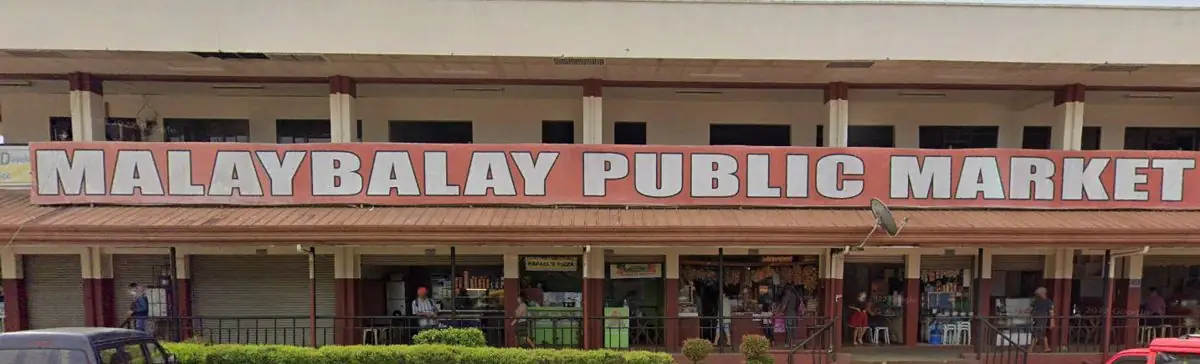
Malaybalay City, the capital, sits at about 600 meters elevation and serves as the administrative and commercial center for the province. The city is also the site of the Kaamulan Festival, a major cultural celebration of Bukidnon's indigenous peoples held every March.
The interior plateau of Bukidnon was long dominated by indigenous communities who resisted lowland and colonial intrusion. Spanish colonizers made only limited inroads into the highlands, and the province's formal administrative history begins relatively late compared to coastal areas of the Philippines.
1870sSpanish Penetration
Spanish missionaries and military expeditions begin reaching the Bukidnon plateau in earnest, establishing small mission settlements and attempting to consolidate control over indigenous communities.
1900American Administration
Under American colonial rule, Bukidnon is organized as a subprovince. American administrators establish homestead programs that bring lowland migrants to the plateau, beginning demographic changes that would reshape the province.
1914Province Created
Bukidnon is formally constituted as a separate province. Malaybalay is designated the provincial capital.
1926Del Monte Arrives
The Philippine Packing Corporation, later Del Monte Philippines, secures a long-term lease on a large portion of Bukidnon's plateau and begins large-scale pineapple cultivation. The operation would grow to become one of the defining economic facts of the province.
1942–1945World War II
Japanese forces occupy the province. Guerrilla resistance is active in the highlands. The Del Monte plantation is disrupted and its infrastructure damaged during the occupation and subsequent liberation.
Post-war migration from the Visayas and other parts of Luzon transformed the lowland portions of Bukidnon, while indigenous communities increasingly found themselves marginalized on ancestral lands. Recognition of indigenous land rights through the IPRA law in 1997 gave Bukidnon's seven IP groups formal legal standing to pursue ancestral domain claims.
Bukidnon's cultural life is shaped by its seven indigenous groups, each with distinct languages, rituals, and material traditions. The Talaandig are known for their music — particularly the agung gong ensemble — and for their beadwork and woven textiles. The Higaonon have an elaborate system of customary law called the kodaro, administered by traditional leaders called datus.
Kaamulan Festival
Held every March in Malaybalay, Kaamulan is the only authentic ethnic festival in the Philippines in the sense that it was not invented for tourism — it began as a gathering of indigenous leaders and communities to perform traditional rites and settle community matters. Today it draws visitors but retains its ceremonial core, with rituals, dances, and indigenous games performed by practitioners, not performers.
★
Woven TraditionsTalaandig weavers produce the hinabol, a traditional backstrap loom textile distinguished by geometric patterns that encode clan identity and cosmological meaning. Each piece can take weeks to complete.
Waway Saway
Talaandig Artist and Cultural Ambassadorb. 1965Waway Saway is a Talaandig visual artist, musician, and cultural advocate from Lantapan, Bukidnon. He has worked to document and revitalize Talaandig musical traditions and has exhibited internationally. He is one of the most prominent indigenous voices from Bukidnon.
The seven indigenous groups of Bukidnon share certain cultural elements — the primacy of the datu system, the importance of the pamaas ceremonial gathering, and the use of traditional instruments including the kubing jaw harp and various gong ensembles — while maintaining distinct linguistic and ritual identities.
Bukidnon's food culture reflects its indigenous heritage and its role as an agricultural province. Corn is a staple in highland communities rather than rice, and it appears in everyday meals in forms ranging from boiled ears to ground cornmeal porridge. The province's cooler climate supports vegetables less common in coastal areas — carrots, lettuce, and highland greens are grown here for supply to Mindanao markets.
Sinuglaw
A combination of sinugba (grilled pork) and kinilaw (raw fish cured in vinegar and citrus), sinuglaw is popular across Mindanao. In Bukidnon, it often uses freshwater fish from local rivers alongside grilled pork belly, dressed with native vinegar, ginger, and red onion.
Corn Gruel (Lugaw sa Mais)
Ground white corn cooked to a porridge consistency, eaten with salted fish or dried meat. A staple in indigenous highland communities, it is heavier and more filling than rice-based lugaw and carries a slightly nutty flavor from the corn.
20 minutesPrep
0 minutes (cured)Cook
4Serves
Ingredients
- 500g, dicedFresh tilapia fillets
- ½ cupNative cane vinegar
- 3 tablespoonsCalamansi juice
- 2 tablespoons, finely juliennedGinger
- 1 medium, thinly slicedRed onion
- 2, slicedRed chili
- to tasteSalt
- 2 stalks, choppedSpring onion
Method
- Dice tilapia fillets into 2cm cubes. Rinse briefly in cold water and pat dry.
- Combine fish with vinegar and calamansi juice. Toss to coat. Let sit for 10 minutes — the acid will begin to cure the fish, turning the flesh opaque.
- Drain most of the liquid. Add ginger, red onion, and chili. Toss well.
- Season with salt. Let sit another 5 minutes.
- Garnish with spring onion and serve immediately with warm rice or as a standalone dish.
Cook's noteUse the freshest possible fish. Native cane vinegar from Bukidnon gives a milder, slightly sweet cure compared to coconut or sugarcane vinegar from other regions.
✦
Pineapple CountryFresh pineapple in Bukidnon is far superior to anything canned. Local varieties grown outside the Del Monte plantation — particularly smaller native types — have a more complex flavor. Buy them from roadside sellers along the Sayre Highway.
Bukidnon is linguistically complex. The province has seven indigenous languages corresponding to its seven IP groups, with Binukid (also called Bukidnon) being the most widely spoken. Cebuano, brought by Visayan migrants, is now the dominant everyday language in most lowland towns and markets. Filipino and English are used in government and schools.
Indigenous Languages of Bukidnon
Widest IP languageBinukid
Northern highlandsHigaonon
Talakag areaTalaandig
Several dialectsManobo
CebuanoLingua franca
Binukid belongs to the Manoboic branch of the Austronesian language family. It has a rich oral literature tradition — epic poems called ulahingan are performed by trained chanters (mamamaas) at ceremonial occasions. These epics can run for hours or days and encode the cosmology, history, and laws of Binukid communities.
★
Epic TraditionThe Ulahingan of the Livunganen-Arumanen Manobo is recognized by scholars as one of the major oral epic traditions of the Philippines. A single full performance can last multiple nights.
Language shift toward Cebuano has accelerated in recent decades. Many younger members of indigenous communities in lowland Bukidnon speak Cebuano as their primary language, with indigenous languages increasingly confined to ritual contexts or elder speakers in more remote highland areas.
Bukidnon is accessible from Cagayan de Oro, the regional center of Northern Mindanao, about 90 kilometers to the north. The Sayre Highway, the main artery through the province, crosses pine-scented highlands before descending into the Cotabato Basin. Travel within the province requires planning — distances between attractions are significant and public transport is limited outside main routes.
~2 hours by busFrom CDO
~4 hours via Sayre HwyFrom Davao
Laguindingan (CDO), 90kmAirport
March–May (dry season)Best months
Dahilayan Adventure Park
Located in Manolo Fortich at 1,500 meters elevation, Dahilayan claims the longest dual zipline in Asia at over 1.5 kilometers. The surrounding pine forest and cool temperatures make it feel unlike anywhere else in Mindanao. Pine forests, a small ski-like park, and mountain cabins draw large numbers of visitors on weekends.
Del Monte Pineapple Plantation
The scale of Del Monte's plantation becomes apparent when driving the Sayre Highway — kilometers of pineapple fields stretch to the horizon. Guided tours of the plantation are available and offer a look at industrial-scale tropical agriculture. The company town of Manolo Fortich has retained an old-fashioned order uncommon in Philippine provinces.
Lake Apo and Matigsalog Communities
Lake Apo in Quezon is a crater lake of significant ecological importance, home to the Philippine duck and other endemic species. The surrounding area is Matigsalog ancestral territory. Reaching it requires a trek through farmland and forest. Local guides from Matigsalog communities can arrange access.
Monastery of Transfiguration
A Benedictine monastery in Malaybalay built into a hillside with a commanding view of the Bukidnon plateau. The monks run a bread bakery and honey operation. It is open to visitors and offers retreat facilities. The architecture is simple and the grounds are quiet — an unusual find in Mindanao.
✦
Getting AroundRenting a vehicle in Cagayan de Oro is the most practical way to explore Bukidnon. Buses run regularly along the Sayre Highway between CDO and Malaybalay, but reaching most attractions requires a motorcycle or private car.
The Plateau That Kept Its Secrets
The Spanish spent three centuries in the Philippines without fully entering the Bukidnon plateau. The highlands were too far, too cool, and too well-defended by people who had no particular reason to be colonized. What the priests and soldiers couldn't reach, the Americans eventually mapped and fenced. But by then, the Talaandig, the Higaonon, and the Binukid had already absorbed what the lowlands had to offer and kept what mattered.
When Del Monte arrived in 1926 with its lease papers and its surveyors, the plateau changed in ways that no foreign army had managed. Fields that had been forest became rows. Rivers got irrigation channels. The company built its own roads, its own hospitals, its own commissary. A generation of Bukidnon families found work in the fields and sent children to company schools. The company town of Manolo Fortich — well-ordered, paternalistic, eerily clean — was the template: what a plantation province looked like when managed from a San Francisco boardroom.
The ulahingan singers still perform in highland communities, though fewer young people know the chants well enough to carry them forward. In Lantapan, Waway Saway paints Talaandig cosmology onto canvas and takes the images to galleries in Manila and Europe. He says the paintings are a form of the same work — keeping the knowledge in circulation, finding the audience wherever it is. The plateau kept its secrets for centuries. What happens to them now is a question each generation answers differently.