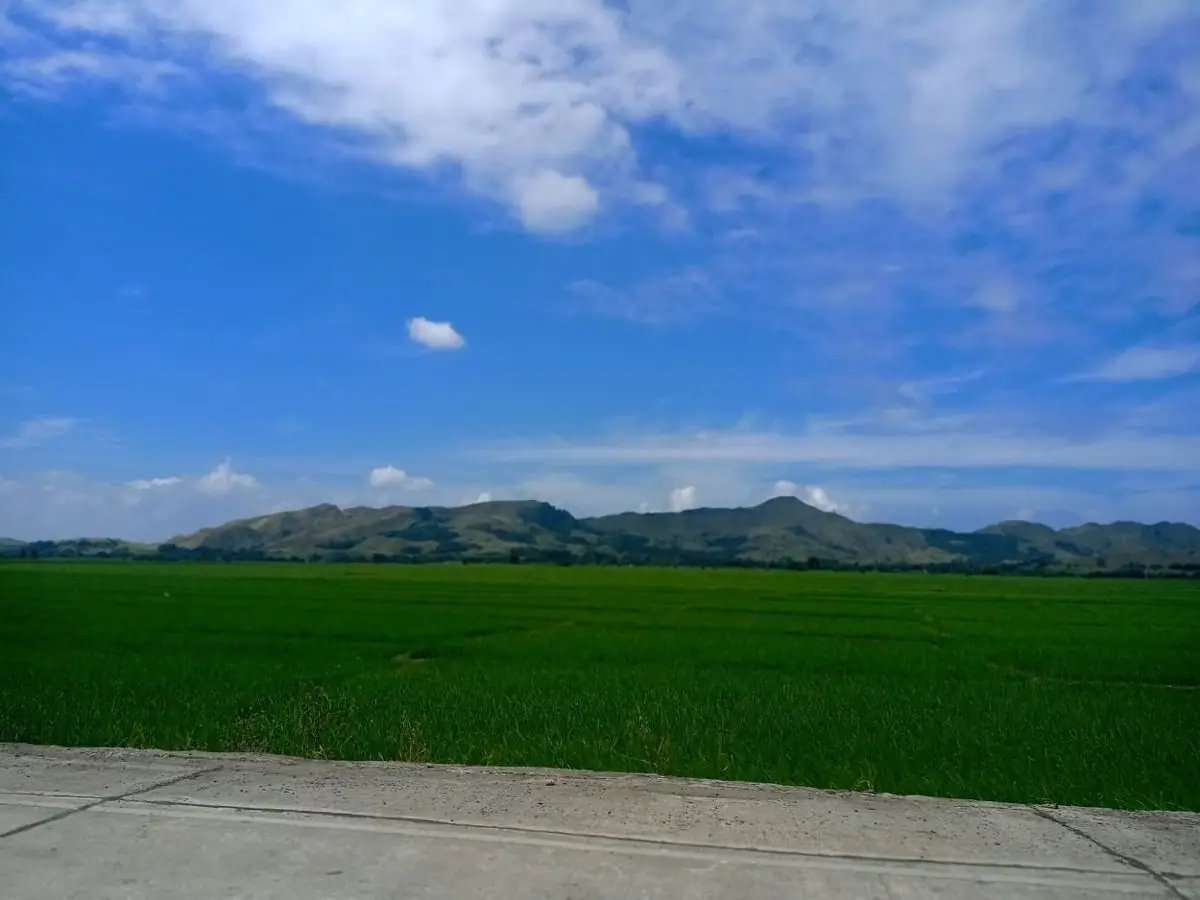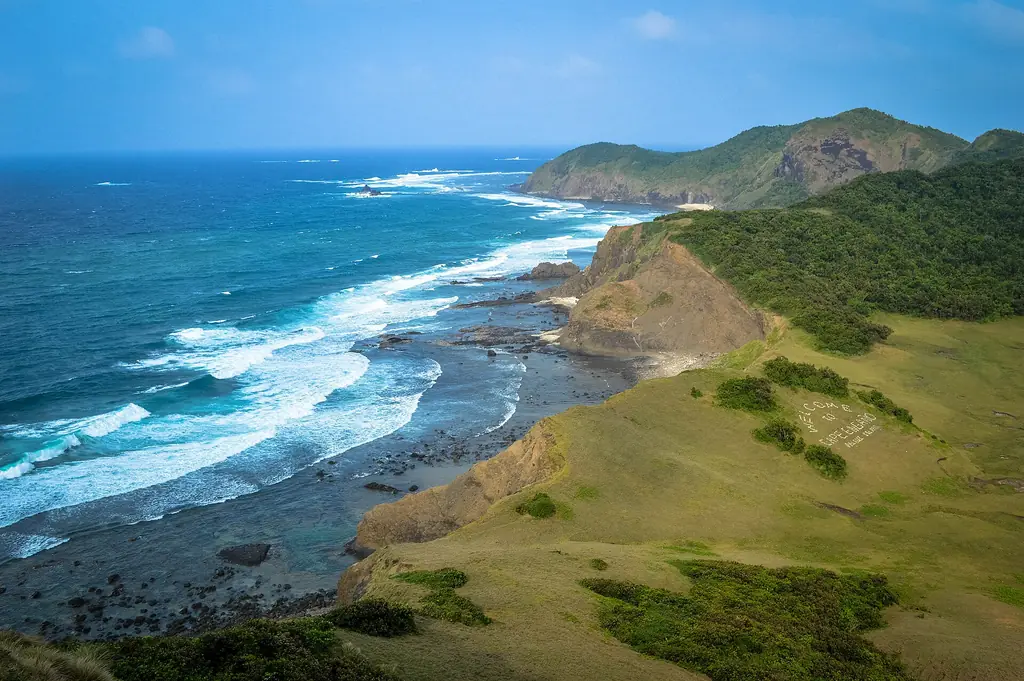
Cagayan is the northernmost mainland province of the Philippines, occupying most of the Cagayan Valley — a broad, flat basin drained by the Cagayan River, the longest river in the country. The valley is bounded by the Cordillera Central to the west and the Sierra Madre to the east, with the Babuyan Channel to the north and the Philippine Sea along its eastern coast. Its isolation and fertility shaped a distinct regional culture centered on the Ibanag people and their neighbors.
Valley of the Great River
The Cagayan River runs 505 kilometers from the Caraballo Mountains in Nueva Vizcaya to the Babuyan Channel at Aparri, draining the entire valley. For centuries it was the main highway of the region — boats and bamboo rafts moved goods and people up and down its brown current. The river still floods seasonally, depositing fertile silt across the valley's rice and corn fields.
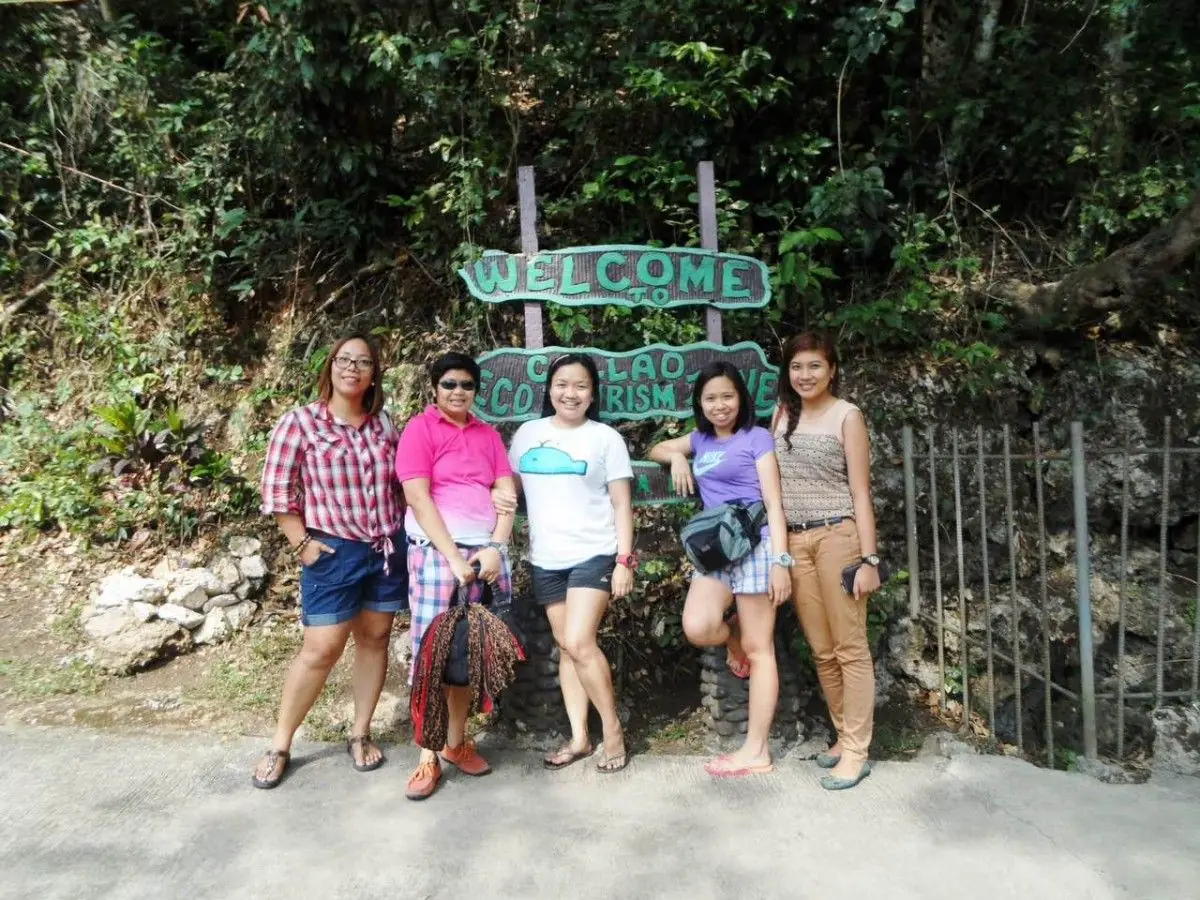
Callao Cave in Peñablanca, Cagayan, yielded fossil remains of Homo luzonensis in 2019 — a previously unknown species of archaic human whose remains in the cave date to before 50,000 years ago; the oldest, a foot bone, is about 67,000 years old.
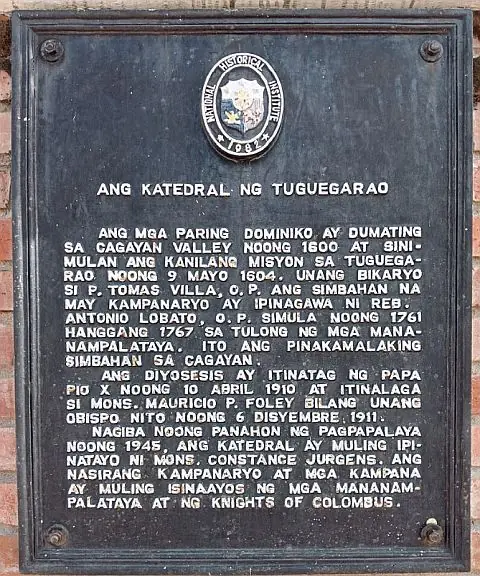
Tuguegarao City is the regional center for the Cagayan Valley, with an airport served by flights from Manila. The province is known for extreme heat — on 11 May 1969 Tuguegarao recorded 42.2°C, the highest temperature ever measured in the Philippines — and for equally extreme rainfall during typhoon season, as storms track directly through the northern Philippines.
The 2024 census counted 1,284,676 people in Cagayan's 28 municipalities and one city, Tuguegarao, the capital, regional seat and commercial center of the Cagayan Valley. The province covers 9,398 square kilometers, including the Babuyan Islands in the Luzon Strait, the island town of Calayan and Palaui Island off Santa Ana. Most people today are of Ilocano descent, the children of migrants from the Ilocos Region; the Ibanag were once the largest group, and the Itawis, Malaweg, Gaddang, Isnag and Agta, as well as the Ibatan of Babuyan Island, also call the province home. Rice, corn, peanuts, beans and fruit are the main crops. In the north, the Cagayan Special Economic Zone around Port Irene in Santa Ana is served by the Northern Cagayan International Airport at Lal-lo, completed in 2014.