Map

Capiz

Western Visayas
Visayas
Capital Roxas City
Population 792,473
Area 2,633 km²
Municipalities 16
Cities 1
Island Group Visayas
Languages Capiceño, Hiligaynon

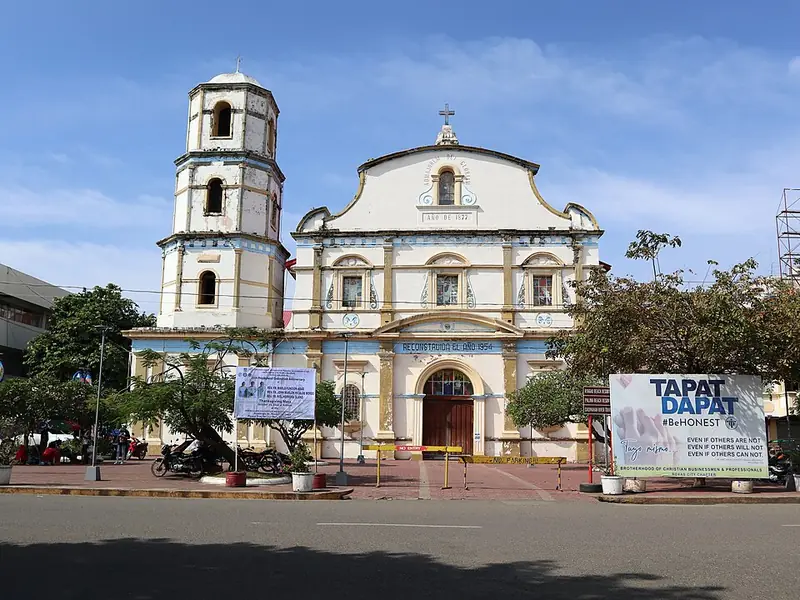
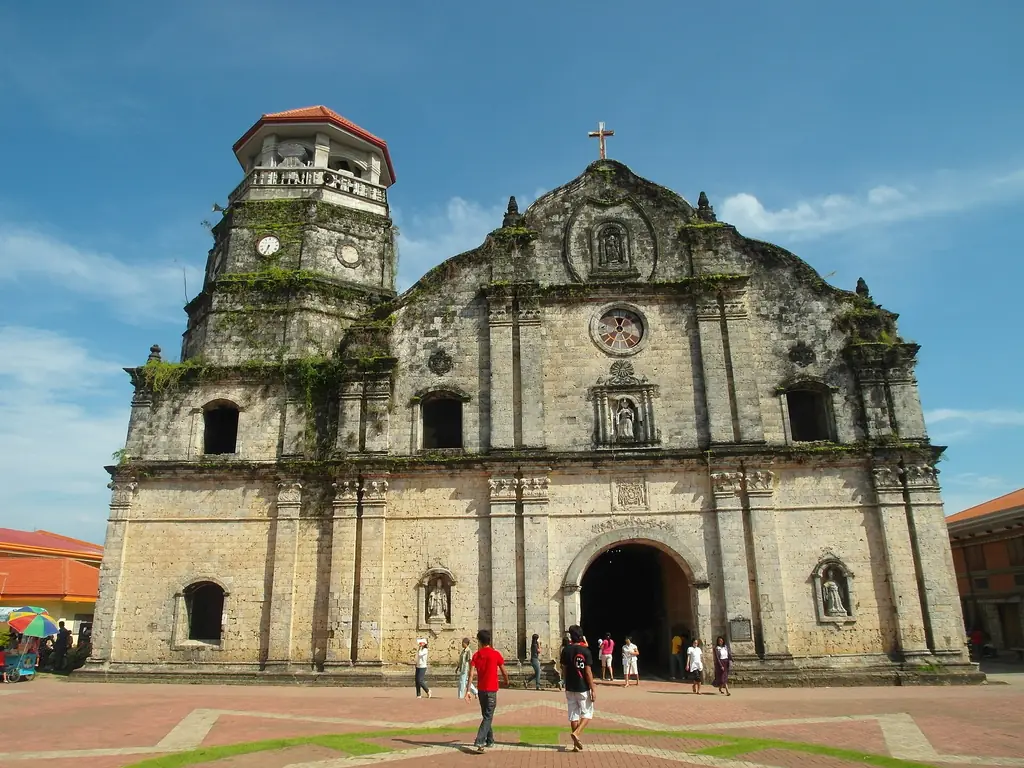
Capiz is a province on the northern coast of Panay Island in Western Visayas. It faces the Sibuyan Sea, and this orientation has shaped everything — its economy is built on seafood, its culture is inflected by the sea, and its capital Roxas City carries the informal title of Seafood Capital of the Philippines. The province is also known internationally for its capiz shells — the flat, translucent bivalve shells used for lampshades, windows, and decorative panels that became a Filipino design signature exported worldwide.

Roxas CityCapital
2,633 km²Area
16Municipalities
VisayasIsland Group
Western Visayas (VI)Region

The Seafood Capital

The Capiz coastline along the Sibuyan Sea is among the most productive fishing grounds in the Philippines. Oysters, scallops, mud crabs, shrimp, and various fish species are harvested commercially and in small-scale operations. The Roxas City fish market — called the Baybay — is one of the most active in the Visayas, and seafood restaurants line the esplanade facing the sea.

Did You Know?

Capiz is the birthplace of Manuel Roxas, the first president of the independent Third Philippine Republic. Roxas City is named after him.

Capiz was one of the original political units established by the Spanish in the Visayas. Its coastal position made it a significant port and commercial center for the Panay interior. The province had active trade networks with Borneo and other island Southeast Asian polities before Spanish contact.

1569

Spanish Colonization of Panay

Spanish forces under Miguel López de Legazpi establish a permanent settlement on Panay Island. Capiz is among the early administrative districts organized by the Spanish.

1716

Capiz Province Established

Capiz is formally constituted as a separate province under Spanish colonial administration.

1899

Revolution

Capiz participates in the Philippine Revolution. Local elites align with the revolutionary government, and the province transitions from Spanish to American administration in 1899.

1946

Manuel Roxas and Philippine Independence

Manuel Roxas of Capiz becomes the last president of the Philippine Commonwealth and the first president of the independent Third Philippine Republic, proclaimed on July 4, 1946. The provincial capital, previously called Capiz town, is renamed Roxas City in his honor.

1951

Roxas City Chartered

Roxas City is officially chartered as a city, reflecting the rapid commercial growth of the provincial capital driven by the seafood industry and trade.

The 20th century brought modernization to Capiz's fishing industry. Large-scale aquaculture — particularly oyster and mussel farms in the shallow coastal waters — transformed parts of the coast while traditional fishing continued in offshore areas.

Capiz shares the broader Hiligaynon-Kinaray-a cultural world of Western Visayas. Its festivals, music, and social customs align with those of neighboring Iloilo and Antique. The province also has its own distinct identity formed around the seafood economy and the capiz shell craft tradition.

Capiz Shells and Craft

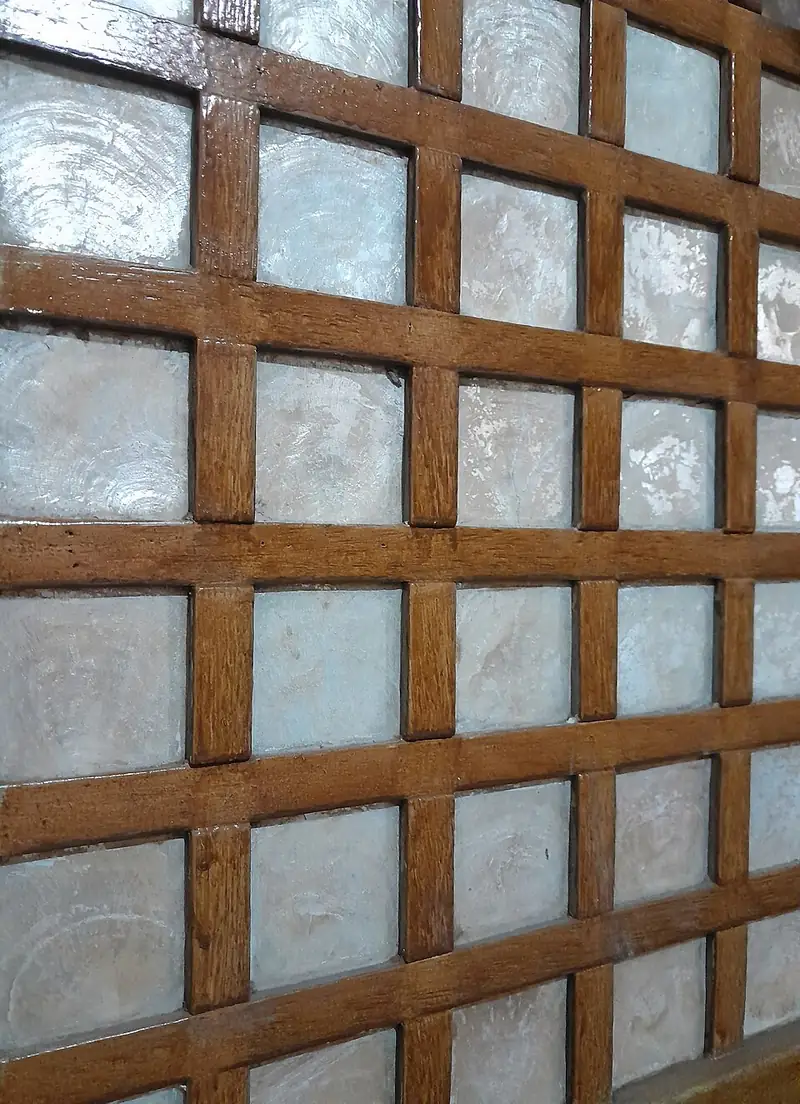
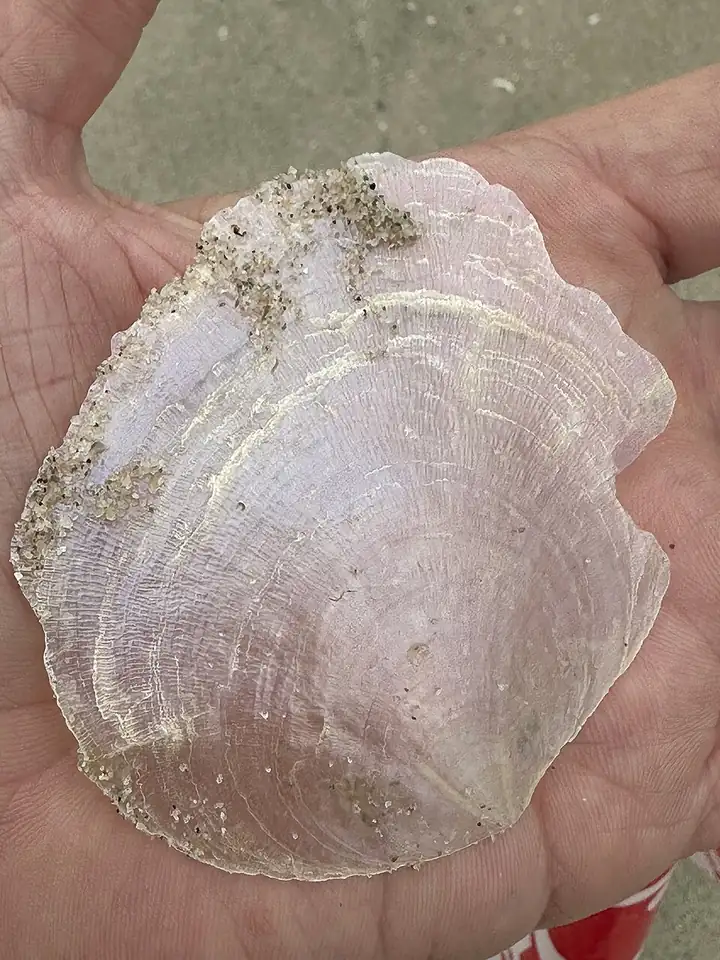
The capiz shell (Placuna placenta) — called 'windowpane shell' in English — is a flat, nearly transparent bivalve harvested from Capiz coastal waters. For centuries, Filipino craftspeople have used the shells in place of glass for windows, lanterns, and decorative panels. The colonial-era bahay na bato (stone houses) of wealthy families in Capiz and elsewhere in the Visayas had capiz shell windows that filtered light with a warm, amber quality. The shell became a signature Filipino export and decorative material in the 20th century.

Aswang Capital?

Capiz has a reputation in Philippine folklore as the home province of the aswang — a shapeshifting ghoul that features in Visayan supernatural beliefs. This reputation is of uncertain origin but has been thoroughly attached to the province. Locals generally regard it with amusement rather than concern.

MR

Manuel Roxas

First President, Third Philippine Republic1892–1948

Born in Capiz town, Roxas served as a general under the Commonwealth, collaborated with Japanese occupation forces (a matter that remains contested by historians), and emerged as the leading political figure in post-war Philippine politics. He was elected president in 1946 and oversaw independence on July 4, 1946. He died of a heart attack in 1948 at Clark Air Base, two years into his term.

The food of Capiz is inseparable from its seafood. The Baybay seafood restaurants along Roxas City's esplanade serve grilled fish, oysters, scallops, and mud crabs at prices significantly lower than Manila. The province's oysters — farmed in Batan Bay — are considered among the finest in the Philippines.

Roasted Talaba (Oysters)

Fresh oysters roasted directly on charcoal, opened at the table, and eaten with a dipping sauce of soy sauce, calamansi, and chopped ginger. Capiz oysters are plump, briny, and sweet. Eating them at a waterfront restaurant in Roxas City with cold beer is the definitive Capiz food experience.

La Paz Batchoy (Capiz variation)

While La Paz Batchoy originates in Iloilo, the noodle soup has spread throughout Western Visayas including Capiz. The Capiz version tends to use more seafood — sometimes replacing or supplementing pork with shrimp or fish — reflecting the province's coastal abundance.

Steamed Mud Crab with Ginger and Scallion

Capiz / Western Visayas
15 minutesPrep
20 minutesCook
2Serves
Ingredients
  • 1 large (about 800g)Live mud crab (alimango)
  • 1 large thumb, slicedGinger
  • 4 stalksSpring onion
  • 4 cloves, crushedGarlic
  • 3 tablespoonsSoy sauce
  • 2 tablespoonsCalamansi juice
  • 2 cupsWater
  • 1 teaspoonSalt
Method
  1. Prepare the dipping sauce: combine soy sauce and calamansi juice. Set aside.
  2. Combine water, salt, half the ginger, and spring onion roots in a steamer pot. Bring to a boil.
  3. Place crab in steamer basket. Cover and steam 15–20 minutes until shell is bright orange and meat is cooked through.
  4. Serve immediately with dipping sauce and remaining fresh spring onion and ginger on the side.
Cook's note

Live crabs must be handled carefully — tie the claws if the crab is active. The simplest preparation reveals the quality of the crab itself. Do not overcook — the meat toughens quickly past the 20-minute mark.

Baybay Restaurants

The seafood restaurants along Roxas City's Baybay esplanade offer the freshest and cheapest seafood in the Visayas. Go in the evening when the catch is freshest and the sea breeze makes outdoor eating pleasant. Point to what you want from the display rather than ordering from a menu.

Two languages divide Capiz along a rough geographic line. Hiligaynon (Ilonggo) is spoken in Roxas City and the northern coastal municipalities, connecting Capiz to the broader Hiligaynon world of Iloilo and Negros Occidental. Kinaray-a is spoken in the interior southern municipalities, where communities trace their roots to an earlier stratum of Panay settlement.

Hiligaynon (Ilonggo)Northern/Coastal
Kinaray-aInterior/Southern
HiligaynonLingua franca
Filipino, EnglishOfficial

Kinaray-a is considered a distinct language rather than a dialect of Hiligaynon, with significant vocabulary and structural differences. It is spoken by perhaps 500,000 people across western Panay. The language has a literary tradition documented by Spanish missionaries and maintained through oral poetry and storytelling.

Roxas City has a domestic airport with regular flights from Manila. The drive from Iloilo City to Roxas takes about 2.5 hours along the coast road. The province is typically visited as part of a Western Visayas circuit combining Iloilo and Capiz. Roxas City itself is the main destination, with most attractions within an hour's drive.

~1 hour (Roxas Airport)From Manila by air
~2.5 hours by bus/carFrom Iloilo City
November–MayBest months
Seafood, Capiz shell craftsKnown for

Baybay Seafood Restaurants, Roxas City

The esplanade along Roxas Bay is lined with open-air seafood restaurants where the day's catch is displayed in tanks and on ice. Oysters, crabs, scallops, squid, and fresh fish are cooked to order at prices far below Manila. This is the primary reason most people visit Roxas City and it delivers on the premise.

President Manuel A. Roxas Memorial Museum

Located in Roxas City, the museum houses personal artifacts, documents, and memorabilia related to the first president of the independent Philippines. The building is a restored heritage structure. The collection is modest but provides context for the province's most prominent historical figure.

Olotayan Island

A small island off the coast of Roxas City, reachable by outrigger boat in about 30 minutes. The island has white-sand beaches and clear water. It is largely undeveloped and visited primarily by day-trippers from Roxas City. The surrounding waters have good snorkeling.

Capiz Shell Workshops

Several workshops in Roxas City produce the capiz shell products — lampshades, wind chimes, picture frames, jewelry boxes — that are exported worldwide. Some workshops accept visitors and allow observation of the process. The finished products are sold from small shops throughout the city.

What Comes Through the Shell

The windowpane shell is nearly transparent — flat, irregular, roughly palm-sized. Held up to light, it glows amber and gold, with the faint texture of the living creature it was. Spanish colonial builders discovered early on that glass was expensive, fragile, and hard to ship from Europe, while capiz shells were abundant in the bays of Panay and Cebu. They had the same effect: they let in light while keeping out the wind.

In the 20th century, the capiz shell became a Filipino export — lampshades in Japanese department stores, wind chimes in American souvenir shops, decorative panels in European restaurants. The shell carried the name of the province to places that would never know where Roxas City was. When Filipino migrants in Hong Kong or Riyadh or Los Angeles saw capiz shells in a store window, some of them felt a particular kind of recognition that is not quite nostalgia and not quite pride but something related to both.

The shell workshops in Roxas City still operate, employing women who learned the craft from their mothers. The shells are sorted, cut, polished, and assembled into products that will be shipped overseas. Outside the workshop windows, the bay is still full of Placuna placenta, filtering the light the same way it always has.