Map

Davao Oriental

Davao Region
Mindanao
Capital Mati City
Population 563,972
Area 5,164 km²
Municipalities 10
Cities 1
Island Group Mindanao
Languages Cebuano, Mandaya, Kalagan

Davao Oriental faces the Pacific Ocean along Mindanao's eastern coast. It is the province at the edge — geographically exposed, historically peripheral, and culturally distinct because of that exposure. Cape San Agustin, at the province's southern tip, is the easternmost point of Mindanao and one of the first Philippine landmasses to receive the Pacific swell.

Mati CityCapital
5,164 km²Area
10Municipalities
MindanaoIsland Group

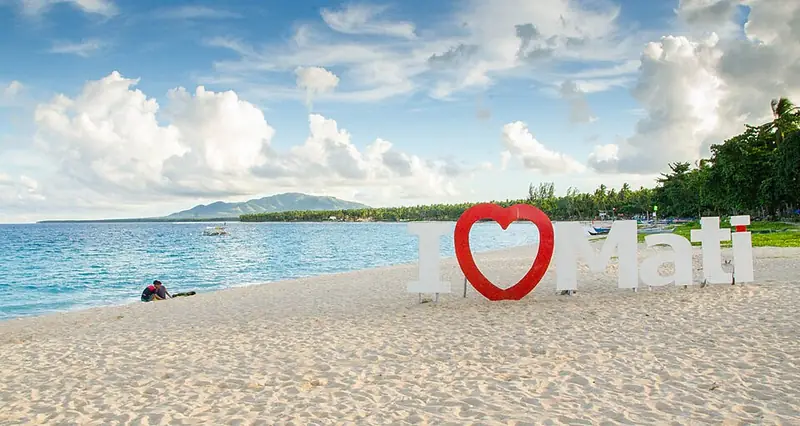
Mati City is the provincial capital and commercial hub, sitting on a sheltered bay that offers some protection from Pacific weather. The city has grown steadily, supported by agriculture, fishing, and a modest tourism sector built around the beaches and surf of the surrounding coast.

Mandaya Weavers

The Mandaya people of Davao Oriental produce abaca cloth of exceptional complexity — geometric patterns in natural dyes that take weeks of work on a backstrap loom. Mandaya weaving is one of the most technically demanding textile traditions in the Philippines and remains a living practice in the upland communities of the interior.

The province stretches along a Pacific coastline of considerable length, punctuated by bays, capes, and river mouths. The interior is mountainous rainforest, the domain of the Mandaya and Mansaka peoples whose communities predate the province by centuries.

Davao Oriental's Pacific coast was the scene of some of the earliest Spanish contact with Mindanao's eastern shore. The name San Agustin — the cape at the province's southern end — reflects this early Spanish surveying, even if sustained settlement came much later.

Pre-colonial

Mandaya and Mansaka Territories

The Mandaya people — whose name means 'those who live upstream' — occupied the river valleys and coastal margins of the eastern Mindanao coast. The Mansaka, a related group, shared parts of the interior. Both peoples had complex ritual, legal, and political systems that the later colonial state did not fully recognize or record.

1600s

Spanish Contact Along the Pacific Coast

Spanish navigators surveyed the eastern Mindanao coast as part of broader Pacific navigation. Cape San Agustin was named during this period. Sustained colonial presence, however, remained thin — the eastern coast was far from Manila and offered little that the colonial economy immediately required.

1967

Province Established

When the original Davao province was subdivided into three, Davao Oriental took the eastern coast and interior mountains. Mati was established as the capital.

2013

Mati Cityhood

Mati was converted into an independent component city, separating its local government from the province while retaining its role as provincial capital.

The later twentieth century brought road connections to Davao City — a critical development that finally linked the eastern coast to the regional economy. Before these roads, communities along the Pacific shore were often more easily reached by boat than by land.

Davao Oriental's cultural life is organized around the tension between the Mandaya and Mansaka indigenous traditions of the interior and the Cebuano Christian majority concentrated in the coastal towns. The two worlds intersect at the markets, schools, and festival grounds of the provincial capital.

Mandaya Weaving

Mandaya abaca weaving is produced on a backstrap loom using fiber from the abaca plant, dyed with natural pigments derived from roots, bark, and minerals. The patterns — called dagmay — are geometric and encode cosmological meanings. Each piece is unique, taking its maker weeks to complete. The cloth is worn at significant life events and has become a marker of Mandaya identity in contemporary cultural politics.

MW

Mandaya Weavers of Cateel

Traditional Textile ArtistsLiving tradition

The municipality of Cateel in Davao Oriental has been recognized as a center of Mandaya weaving. Women weavers here maintain the dagmay tradition using techniques and patterns passed through female lineages. The National Commission for Culture and the Arts has recognized Mandaya dagmay weaving as a National Cultural Treasure.

The Mansaka people, concentrated in the interior municipalities of Compostela Valley adjacent to the province, share cultural practices with the Mandaya including ritual music performed on agung gong sets. Healing ceremonies called pamanhik involve specialists who communicate with ancestral spirits on behalf of the sick.

Cape San Agustin's Significance

Cape San Agustin at the southernmost tip of Davao Oriental is the easternmost point of Mindanao. It looks out onto the open Pacific with nothing between it and the Americas. For the Mandaya who lived along this coast, the sea was not an edge but a highway — they maintained trade and kinship networks along Mindanao's eastern shore long before Spanish cartographers gave the cape its name.

The Pacific coast provides Davao Oriental with abundant seafood — tuna, reef fish, squid, and shellfish from the waters around Pujada Bay. Inland, the Mandaya and Mansaka communities rely on rice, root crops, and forest products, with wild game supplementing the diet in more remote areas.

Grilled Tuna Jaw (Panga ng Tuna)

A Mindanao specialty, tuna jaw grilled over charcoal is served in Mati City and along the coast. The fatty collar meat around the jaw is considered the best cut. Served with soy sauce and calamansi, or simply with vinegar and chili.

Binagol

A sweet made from gabi (taro) cooked with coconut milk and sugar, molded into shells or wrapped in leaves. Versions of this appear across the Eastern Visayas and Mindanao Pacific coast, each with slight local variation.

Ginataang Pusit

Davao Oriental coast
15 minutesPrep
20 minutesCook
4Serves
Ingredients
  • 700gfresh squid, cleaned
  • 400mlcoconut milk
  • 4 clovesgarlic, minced
  • 1 mediumonion, sliced
  • 1 thumbginger, sliced
  • 3 pieceslong green chili
  • 2 tbspfish sauce
  • 2 tbspcooking oil
Method
  1. Slice cleaned squid into rings, keeping the tentacles whole.
  2. Sauté garlic, onion, and ginger in oil until softened.
  3. Add squid and cook briefly until it changes color, about 2 minutes.
  4. Pour in coconut milk and bring to a simmer.
  5. Add long green chili and fish sauce.
  6. Simmer for 10–12 minutes until the sauce thickens slightly.
  7. Taste and adjust seasoning. Serve with steamed rice.
Cook's note

Do not overcook the squid at the initial sauté stage — it will finish cooking in the coconut milk. Overcooked squid turns rubbery. Fresh squid from the same-day catch behaves differently from frozen; adjust cooking time accordingly.

Cebuano dominates the coastal towns of Davao Oriental, serving as the language of commerce, education, and local government. In the upland communities, Mandaya and Mansaka are the primary languages of daily life, though most speakers in these communities are also Cebuano-competent.

CebuanoPrimary Language
Mandaya, MansakaIndigenous Languages
AustronesianLanguage Family
Davao RegionRegion

Mandaya is a South Mindanao language with several dialects corresponding to geographic groupings — the Mansaka, Pagsupan, and Cataelano dialects are among those documented. The language has a rich oral literature including the Ulahingan epic cycles, which narrate the heroic deeds of culture heroes and serve as encoded histories of Mandaya migrations and alliances.

The Ulahingan Epics

The Mandaya Ulahingan are among the oral epic traditions of the Philippines recognized by scholars. These chanted narratives — performed by specialized singers over multiple nights — encode genealogies, cosmology, and historical memory in poetic form. They remain a living tradition in some Mandaya communities in Davao Oriental.

Davao Oriental is reached from Davao City by a road that skirts the eastern edge of Mount Apo's range before descending to the Pacific coast. The drive is scenic and takes three to four hours depending on road conditions.

~170 km to MatiDistance from Davao City
3–4 hours by busTravel Time
Davao–Mati Highway via CompostelaMain Route
Mati Airport (limited service) or Davao CityNearest Airport

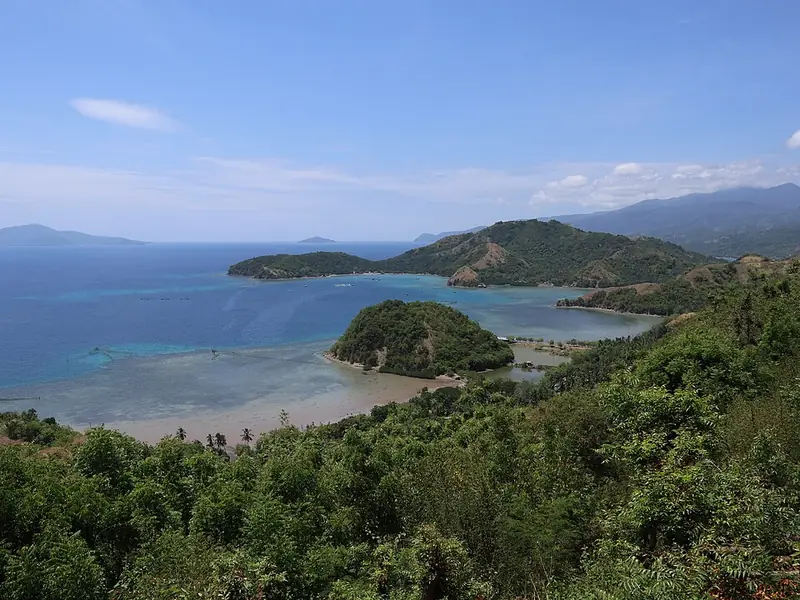
Pujada Bay

A large bay south of Mati City with clear waters, coral reefs, and several small islands. The bay is a site for diving and snorkeling, with reef systems relatively intact compared to heavily fished areas elsewhere. Bangka boat rentals are available from Mati City harbor.

Dahican Beach

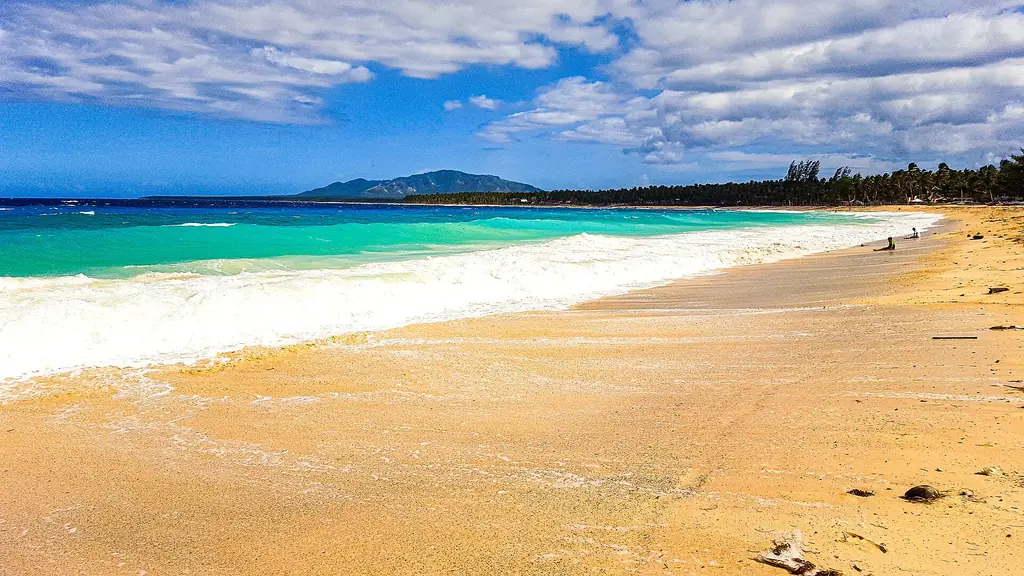
A seven-kilometer stretch of beach north of Mati City facing the Pacific. Dahican is known for its surf — the beach receives clean Pacific swells — and for an unusual phenomenon: boogie boarding behind boats towed along the beach, a local sport the Mandaya call 'skimboarding on sea.' Rental boards are available from beachside operators.

Cape San Agustin

The easternmost point of Mindanao, a rocky headland that juts into the Pacific. The cape is accessible from the municipality of Governor Generoso. The view from the cape on a clear day is purely ocean — a reminder of where exactly in the Pacific this country sits.

Typhoon Season

Davao Oriental's Pacific-facing coast receives typhoon weather from November through January. Travel is best planned between February and October. The surf at Dahican is best from October through December — overlapping with the early typhoon risk period, so check weather forecasts carefully.

A Mandaya woman in Cateel sits at her backstrap loom and works a thread of abaca fiber through a pattern she learned from her mother, who learned it from her mother before her. The pattern has a name and a meaning — it encodes a cosmological story about the origin of the Mandaya people. She does not think of this while she weaves. She thinks about the tension of the fiber, the count of threads, the way the dye has taken on this particular section.

The dagmay cloth she is making will take three months. It will be used at her granddaughter's wedding. After that it may be sold to a textile collector in Manila or abroad, or it may stay in the family. She has no strong preference. What matters is that it exists, that it is made correctly, that the pattern carries its meaning forward.

Abaca weaving in Davao Oriental has survived conversion to Christianity, logging that stripped the forest where abaca grew wild, the pressure on young Mandaya women to migrate to the cities, and the repeated cycles of development projects that came into the highlands promising markets for the cloth and delivered them intermittently. It has survived because the practice is embedded in family, not in industry.

The National Commission for Culture and the Arts declared Mandaya dagmay a National Cultural Treasure. The declaration changed nothing about how the cloth is made. What it changed — slightly, incrementally — is who pays attention.