Map

Guimaras

Western Visayas
Visayas
Capital Jordan
Population 187,843
Area 604 km²
Municipalities 5
Cities 0
Island Group Visayas
Languages Hiligaynon, Kinaray-a

Guimaras is a small island province in the Visayas, sitting in the strait between Panay and Negros. It is known throughout the Philippines for producing what is claimed to be the sweetest mangoes in the world — a claim backed by agricultural science, supported by export markets, and tested severely by the environmental disaster of 2006.

JordanCapital
604 km²Area
5Municipalities
VisayasIsland Group

Jordan is the provincial capital, a small town that handles administrative functions while the nearby municipalities of Buenavista and Nueva Valencia do more of the agricultural work. The island is easily reached from Iloilo City by a short ferry crossing — a 15-minute ride makes Guimaras something between a province and a suburb of Iloilo.

The Sweetest Mango Claim

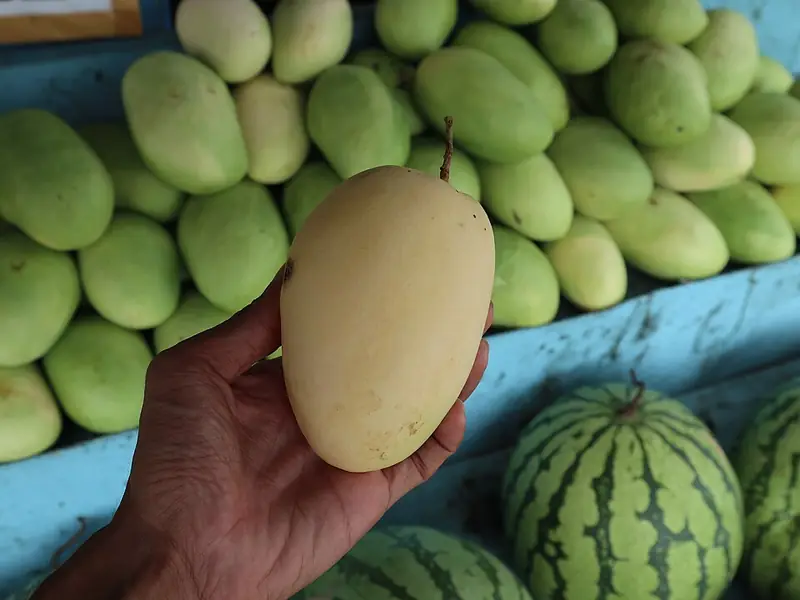
The Carabao mango variety grown in Guimaras has been scientifically measured at Brix sugar levels above 16 — among the highest of any mango variety in the world. The combination of soil type, climate, and the particular water chemistry of the island is credited for this quality. Guimaras mangoes have won international competitions and command premium prices in export markets.

The province became its own entity in 1992, having previously been a sub-province of Iloilo. Its small size and proximity to Iloilo City mean it remains closely integrated with the Iloilo economy, but it has developed its own institutional identity and a tourism profile built around its beaches, mangroves, and mango farms.

Guimaras was populated before Spanish contact as part of the broader Visayan maritime world. The island's sheltered position in the strait made it a waypoint for trade between Panay and Negros. Spanish missionaries arrived in the sixteenth century as part of the general Christianization of the central Visayas.

1600s

Spanish Settlement and Mission

Augustinian missionaries established churches and reducción settlements on the island. The population was concentrated into coastal towns, and the interior forest was left largely alone — a pattern repeated across the colonial Philippines.

1967

Sub-Province of Iloilo

Guimaras was constituted as a sub-province of Iloilo, a status that gave it some administrative autonomy while keeping it formally subordinate. During this period, mango cultivation was systematically expanded as a commercial crop.

1992

Full Province Status

Republic Act 7160 (the Local Government Code) upgraded Guimaras to a full province, with Jordan as the capital. The first provincial officials were elected in 1992.

August 2006

MV Solar 1 Oil Spill

The oil tanker MV Solar 1 sank in the Guimaras Strait, spilling approximately 500,000 liters of industrial fuel oil. The spill devastated coastal ecosystems, killed marine life, contaminated fishing grounds, and spread oil across the beaches and mangroves of Guimaras and neighboring Iloilo and Negros. It was the worst oil spill in Philippine history.

The MV Solar 1 spill was a turning point. Recovery took years and was incomplete in some areas. The fishing communities most affected received inadequate compensation. The disaster drew national and international attention to the vulnerability of small island economies to industrial accidents over which they had no control.

Guimaras shares its cultural foundations with Iloilo — the province speaks Hiligaynon, practices folk Catholicism with the same intensity found across Western Visayas, and maintains the same cycle of fiesta, planting, and harvest that organizes rural life on Panay.

The Manggahan Festival

The Manggahan Festival, held annually in May during the mango harvest season, is Guimaras's most significant cultural event. It combines mango competitions — judged on sweetness, size, and appearance — with street dancing, agricultural exhibits, and trade fairs. It is genuinely useful as a commercial platform for mango farmers while functioning as the province's primary public celebration.

Post-Spill Cultural Memory

The 2006 oil spill is remembered in Guimaras through oral history, local journalism, and community documentation projects. Fishing families describe the aftermath in terms of specific losses — which fishing grounds closed, how long they remained closed, which species did not return. The spill altered the relationship between the coastal communities and the sea in ways that are still worked through a generation later.

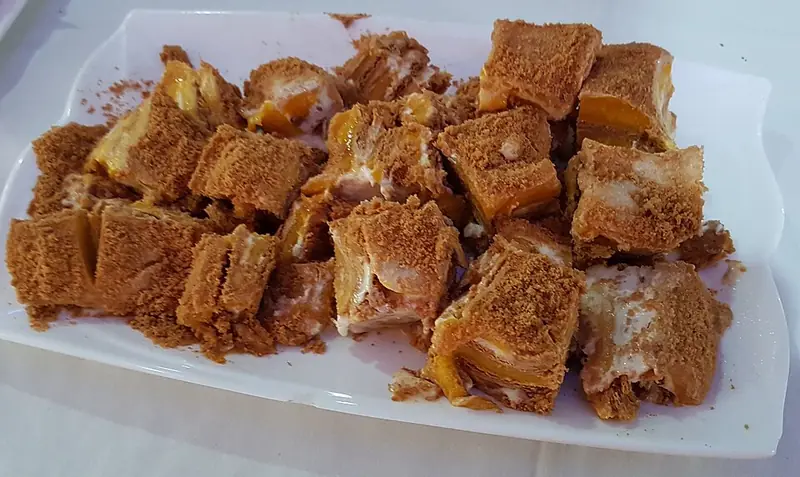
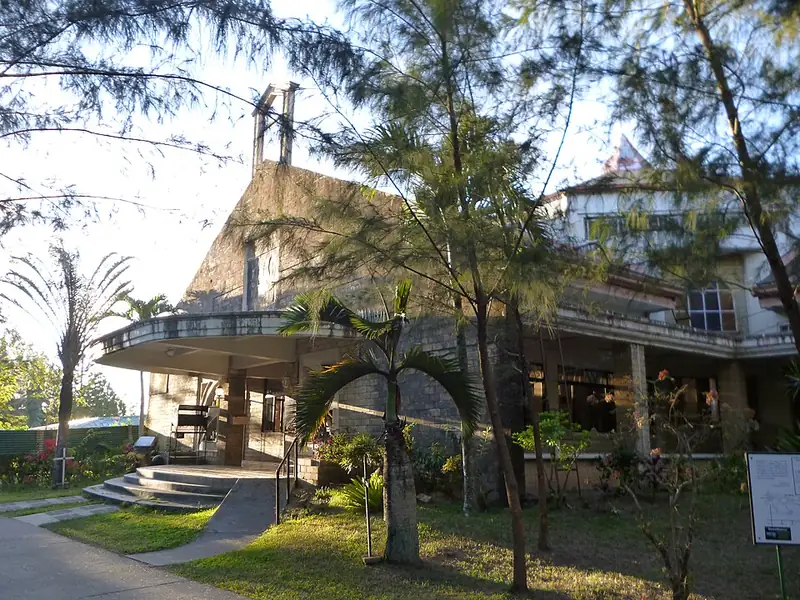
The Trappist monastery in Nueva Valencia — a contemplative religious community established in the twentieth century — is a cultural landmark that draws visitors to the island. The monks produce local goods including peanut butter and pastillas that are sold in the monastery shop and are considered provincial products.

Mango is the lens through which Guimaras food culture is understood, but the province has a broader table — seafood from its coasts and the strait, rice from its flat interior farmland, and the same Ilonggo cooking tradition that produces some of the most refined regional cuisine in the Visayas.

Fresh Guimaras Mango

The Carabao mango of Guimaras, eaten ripe, is the standard against which all Philippine mangoes are measured. It is yellow, non-fibrous, and sweet without sharpness. The proper way to eat it is to score the flesh while in the skin, invert the halves, and eat directly. No accompaniment is needed or recommended.

Mango Float

Layers of graham crackers, whipped cream, and sliced Guimaras mango, refrigerated until set. A simple no-bake dessert made elaborate by the quality of the mango. Found in every bakeshop and restaurant on the island.

Inday-Inday

Guimaras / Western Visayas
10 minutesPrep
20 minutesCook
6Serves
Ingredients
  • 2 cupsglutinous rice flour
  • 1 cupcoconut milk
  • ½ cupsugar
  • ½ cupwater
  • 1 cupfresh grated coconut for topping
  • pinchsalt
Method
  1. Mix glutinous rice flour, coconut milk, sugar, water, and salt into a smooth batter.
  2. Pour into a greased baking dish or individual molds.
  3. Steam for 15–20 minutes until set and slightly translucent.
  4. Allow to cool slightly before unmolding.
  5. Top with freshly grated coconut.
  6. Serve warm or at room temperature.
Cook's note

Inday-inday is a rice cake found across Western Visayas under various names. The texture should be soft and slightly chewy, not rubbery. Do not overbake — steam just until set. Fresh coconut grated the same day is far superior to desiccated coconut.

Grilled Squid with Green Mango Salad

A Guimaras combination that makes use of both the seafood of the strait and the province's unripe mangoes. Green mango is julienned and dressed with bagoong, chili, and calamansi — a sharp, salty counterpoint to the sweetness of grilled squid.

Hiligaynon — the language of Iloilo and the broader Western Visayas — is the primary language of Guimaras. Given the island's historical and geographic integration with Iloilo, this is unsurprising. The same vocabulary, the same cadences, the same songs.

Hiligaynon (Ilonggo)Primary Language
~9 million (Western Visayas)Speakers
Austronesian / BisayanLanguage Family
Western Visayas (Region VI)Region

Hiligaynon is considered one of the more melodic Philippine languages — its stress patterns and vowel quality give it a different sound character from Cebuano or Waray. It has a significant literary tradition including the Ilonggo awit and corrido, narrative poem forms adapted from Spanish colonial literary models.

Kinaray-a, the indigenous language of the Antique province on Panay, is spoken by some families in Guimaras who have roots in that area. It is considered a distinct language rather than a dialect of Hiligaynon, though the two are related and share vocabulary.

Guimaras is one of the most accessible island provinces in the Philippines. The ferry from Iloilo City's Ortiz Wharf takes 15 minutes to the Jordan wharf — a crossing short enough that many Iloilo residents visit Guimaras as a day trip.

15 minutes (Ortiz–Jordan)Ferry from Iloilo City
Under ₱20 per personFare
Every 15–20 minutesFrequency
Iloilo International AirportNearest Airport

Alubihod Beach

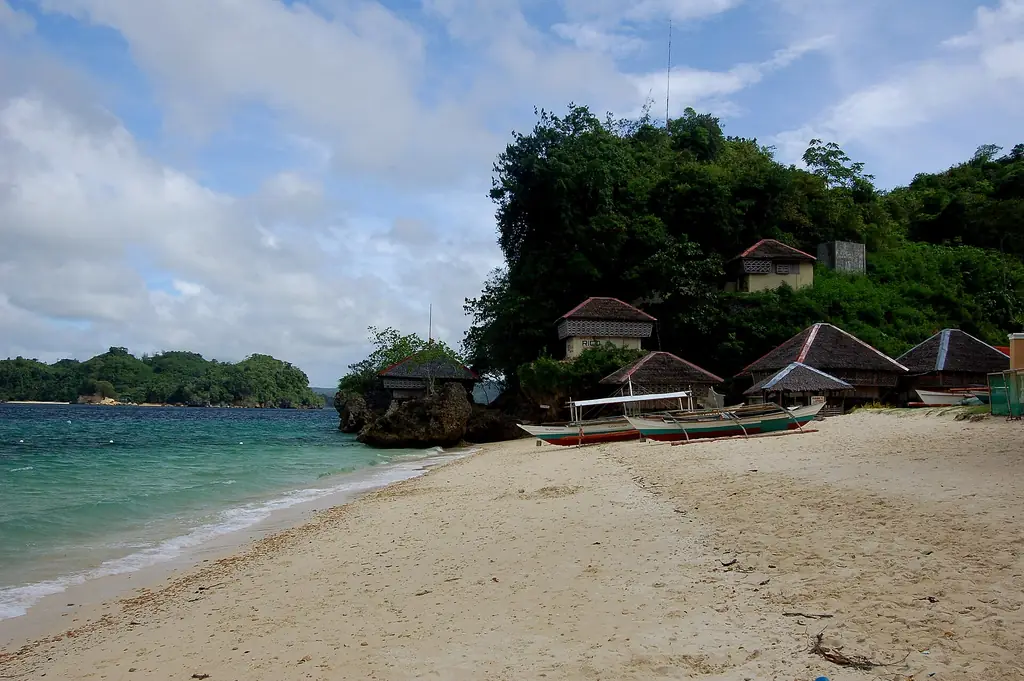
One of the better beaches on Guimaras's western coast, with calm water protected from Pacific swell by the island's position in the strait. Cottages available for day use. The beach is popular with Iloilo families on weekends. Quieter on weekdays.

McLaren Mango Farm

A commercial mango farm open to visitors during the harvest season (March to June). Tours show the cultivation process — the grafting, the bagging of developing fruit to protect it from insects, the harvest itself. The farm store sells fresh mangoes, mango jam, and dried mango products.

Our Lady of the Philippines Trappist Monastery

A Cistercian (Trappist) monastery in Nueva Valencia, established in 1972. The grounds are well-maintained and visitors are welcome at the monastery shop, which sells peanut butter, pastillas, and other products made by the monks. The chapel is open for prayer. A quiet place in a province that is mostly quiet.

Mango Timing

Guimaras mangoes peak in March through May. Outside of this season, mangoes are available but the selection and quality are lower. If visiting specifically for the mango experience — farm tours, Manggahan Festival — plan for April or May.

On August 11, 2006, the tanker MV Solar 1, chartered by Petron Corporation, sank in the Guimaras Strait during bad weather. The sinking released approximately 500,000 liters of bunker fuel oil into the strait. The oil spread across 116 barangays in Guimaras, Iloilo, and Negros Occidental, coating 102 kilometers of coastline.

The immediate response was inadequate. The national government declared a state of calamity, but cleanup resources were slow to arrive. Fishing families — whose income depended entirely on the sea — watched their grounds turn black. Some families received compensation; the amounts were disputed and the process took years. Several fishing communities in the affected municipalities never fully recovered the catch levels they had before the spill.

What the spill revealed about Guimaras was the thinness of the margin on which its economy operated. The province had no diversified industrial base to absorb the loss of fishing income. The mango farms — in the interior and not directly touched by the oil — continued producing. But the coastal communities, which had no mangoes, had nothing.

The long-term ecological impact is still debated. Marine biologists have found evidence of recovery in some reef systems. Others document persistent effects in sediment contamination and changes to fish population dynamics. The Guimaras Strait is not what it was before August 2006. Whether it can return to what it was is a question without a settled answer.