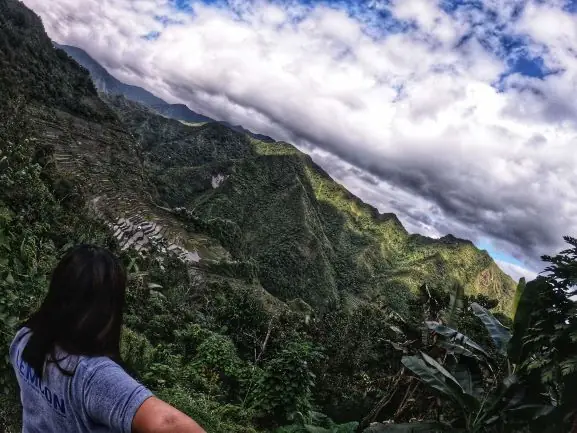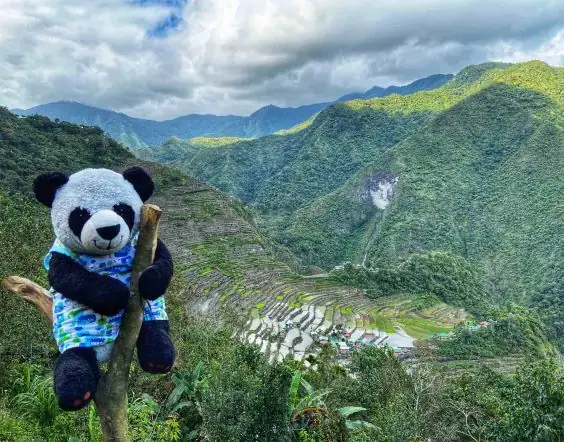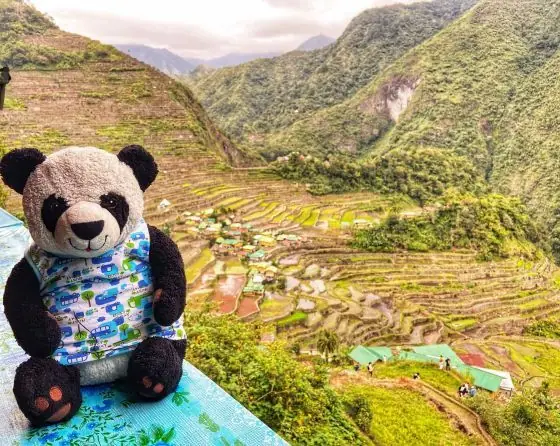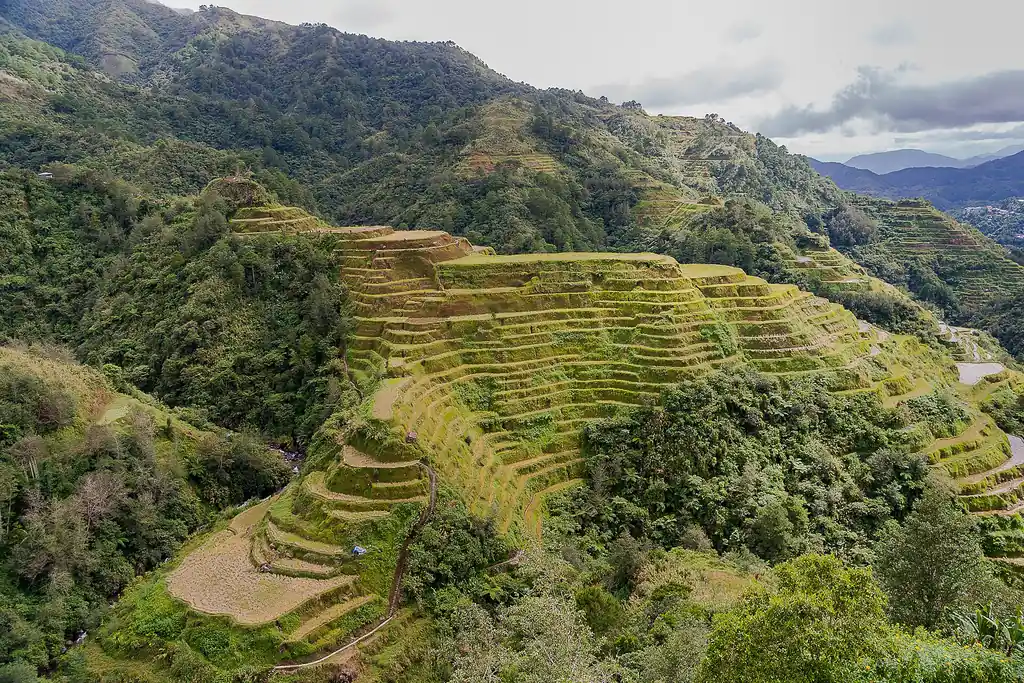
Ifugao sits in the central Cordillera mountains of northern Luzon, a province defined by its verticality. The landscape is a series of steep ridges and deep river valleys, and for centuries the Ifugao people have been carving and maintaining rice terraces into those ridges, a feat of engineering that Filipinos often call the Eighth Wonder of the World.
Lagawe is the provincial capital, a small town in a river valley at the base of the mountains. Most of what is significant about Ifugao — the terraces, the indigenous communities, the ritual life — lies above and beyond the capital, in the mountain municipalities of Banaue, Kiangan, Hungduan, and Mayoyao.
The Cordillera rice terraces — concentrated in Ifugao and made up of five clusters: Batad and Bangaan (both in Banaue), Hungduan, Mayoyao, and Nagacadan (Kiangan) — were inscribed as a UNESCO World Heritage Site in 1995, the first property in the cultural landscape category. The designation recognized both the physical engineering achievement and the living cultural system that maintains it. The terraces remain a working agricultural system, not a museum exhibit.
Ifugao is the cultural heartland of the Ifugao people, whose social structure, cosmology, and law are among the most extensively documented indigenous systems in the Philippines. The province's isolation in the Cordillera mountains protected it from full Spanish colonial penetration, and the Ifugao maintained effective autonomy until well into the American period.
The 2024 census counted 208,668 people in Ifugao, a landlocked province of 2,628 square kilometers in the Cordillera Administrative Region. It has 11 municipalities, with Lagawe as the capital, and borders Benguet to the west, Mountain Province to the north, Isabela to the east and Nueva Vizcaya to the south. Its highest point is the summit of Mount Pulag, Luzon's highest peak at 2,928 meters, where Ifugao, Benguet and Nueva Vizcaya meet. The Rice Terraces of the Philippine Cordilleras, all in Ifugao, were in 1995 the first site ever inscribed on the World Heritage List as a cultural landscape.