Map

Ilocos Norte

Ilocos Region
Luzon
Capital Laoag City
Population 621,660
Area 3,399 km²
Municipalities 21
Cities 2
Island Group Luzon
Languages Ilocano, Filipino

Ilocos Norte occupies the northwestern tip of Luzon, where the Cordillera mountains meet the South China Sea. It is a province of strong winds, Spanish colonial churches, white sand beaches, and the longest political shadow in post-war Philippine history — Ferdinand Marcos was born here, and his presence continues to organize much of the province's public life.

Laoag CityCapital
3,399 km²Area
21Municipalities
LuzonIsland Group

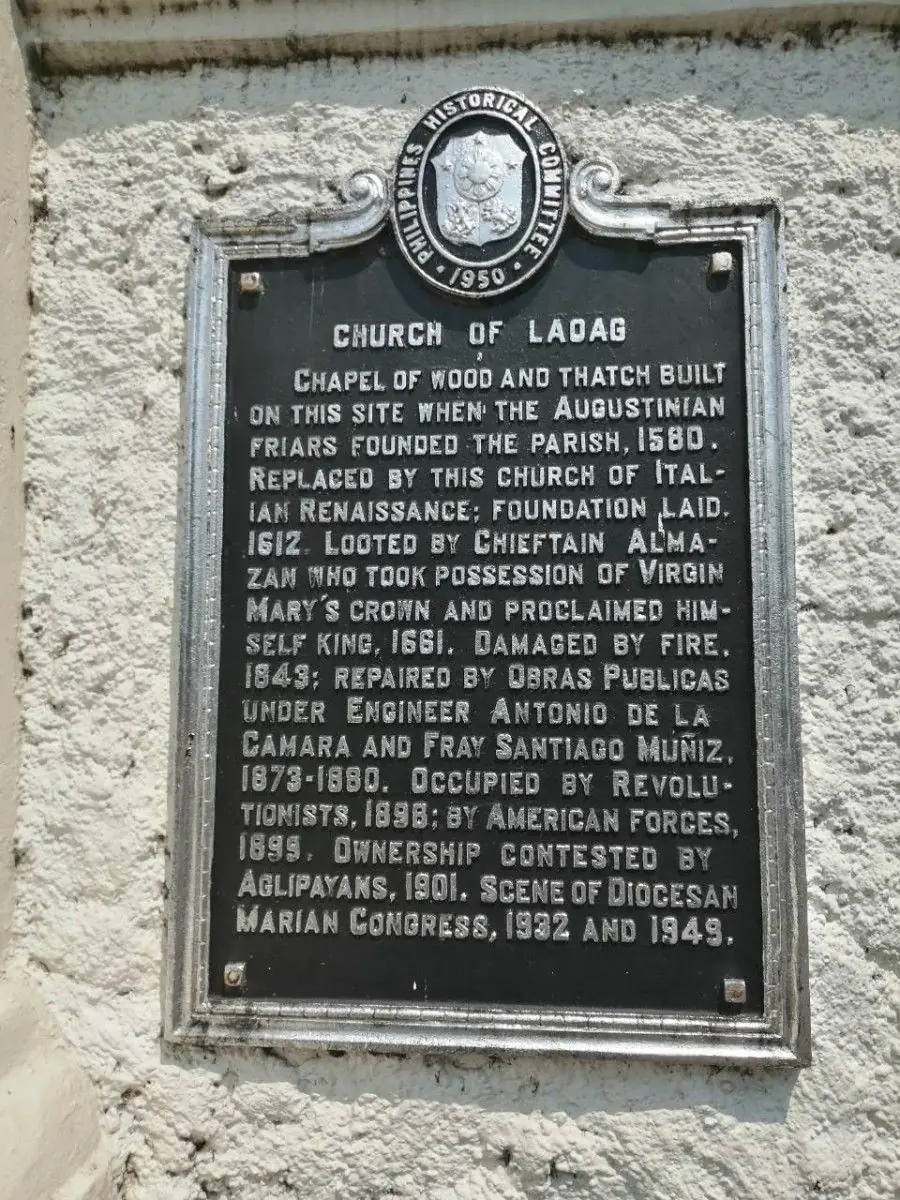
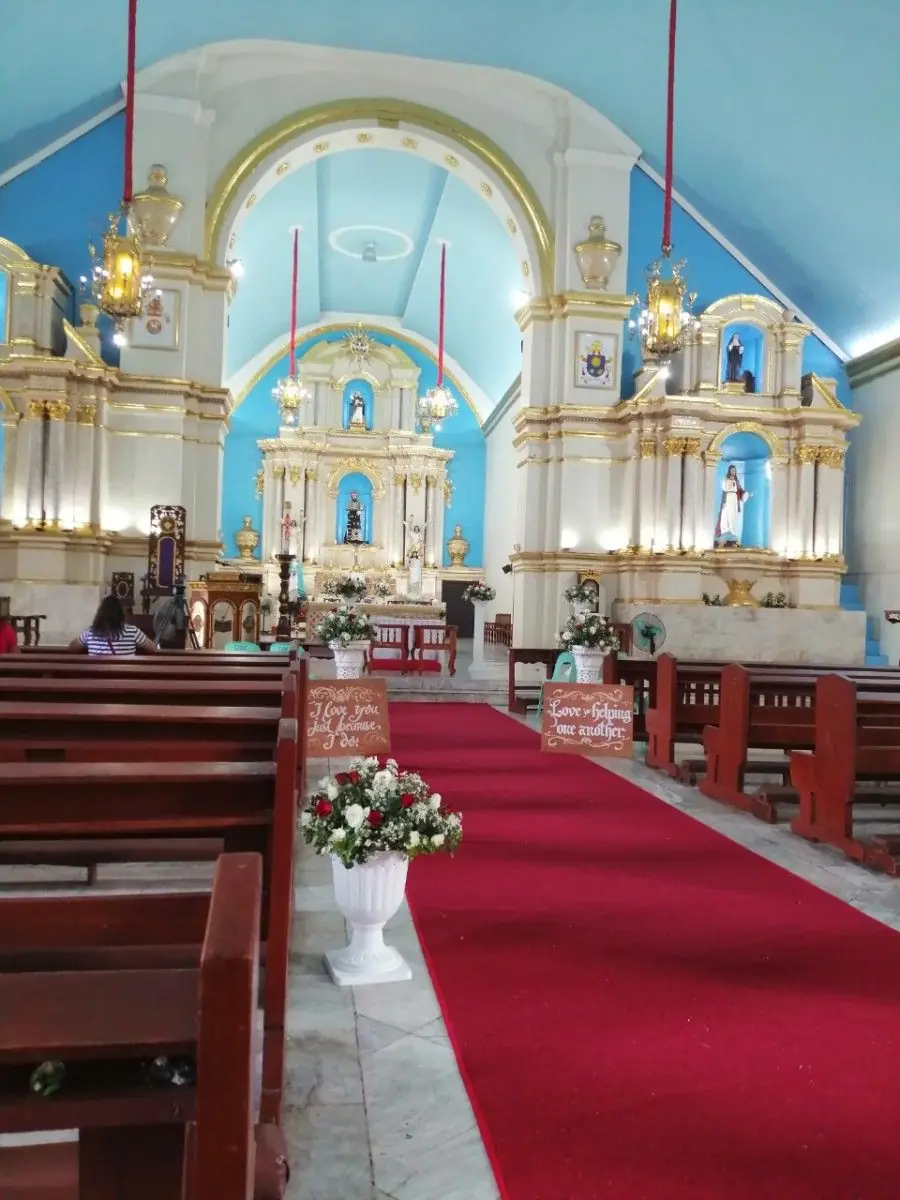
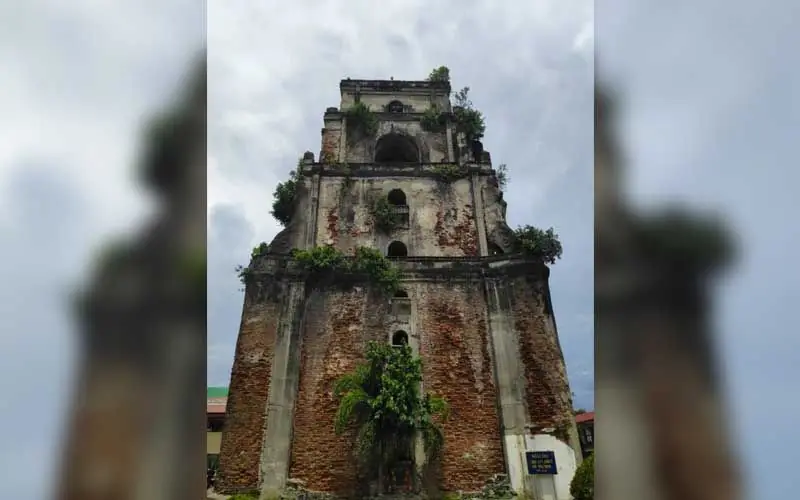
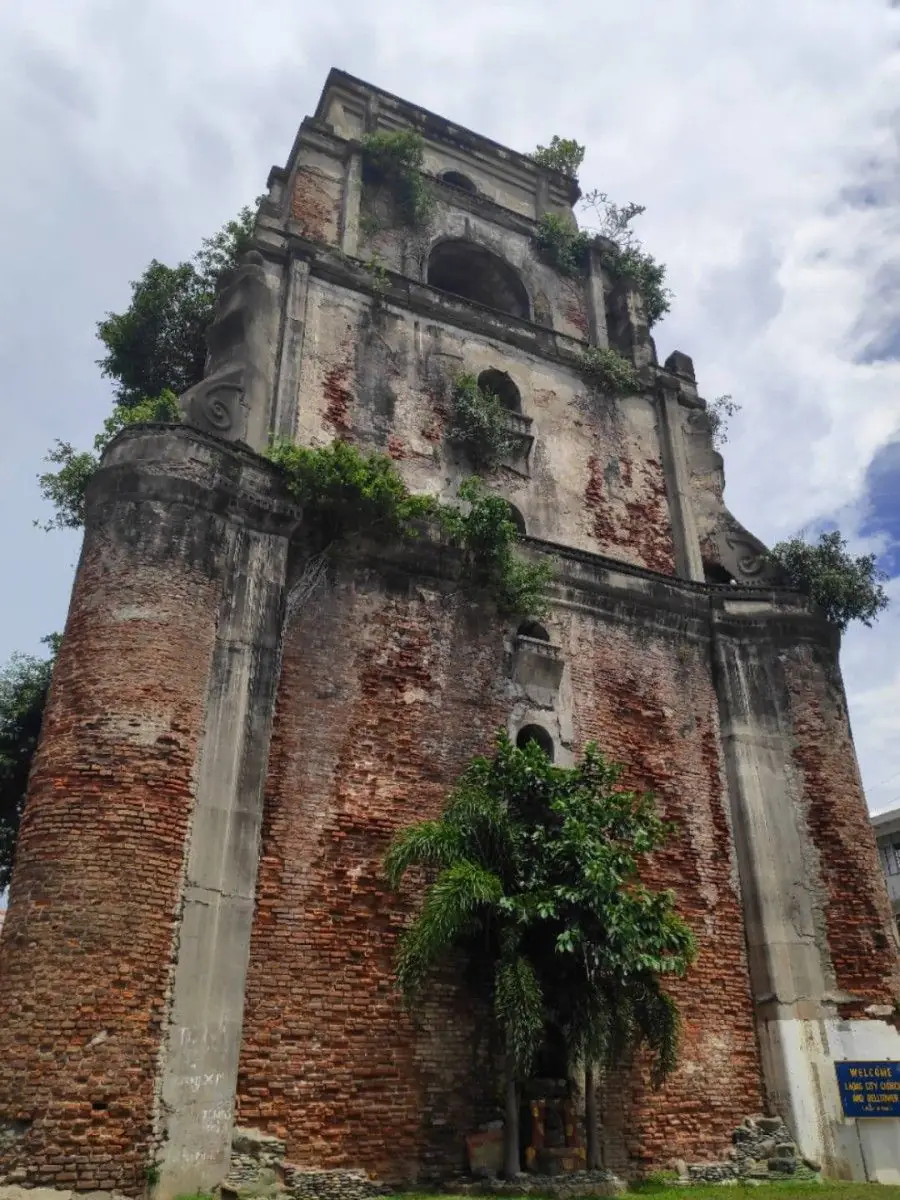
Laoag City is the regional center of Ilocos Norte — a city with a colonial core, a working commercial district, and a provincial tempo that has not much accelerated despite the sustained political prominence of the families that govern it. The city's historic sinking bell tower and baroque church anchor a center that looks older than it actually functions.

Wind Energy Pioneer

The Bangui Wind Farm, built along the coast of Bangui Bay in 2005, was the first wind farm in Southeast Asia. Its 15 wind turbines — each 70 meters tall — stand in a line along the shore facing the South China Sea. They have become one of the most photographed landmarks in the Ilocos region and produce electricity for the Luzon grid.

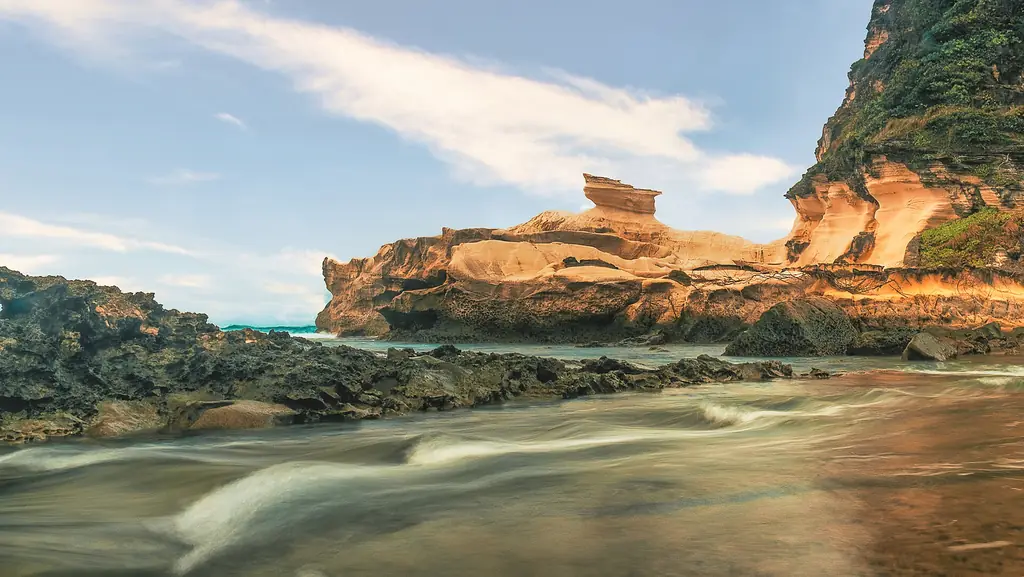
Pagudpud, at the province's northern tip, is the destination that draws most travelers — white sand beaches on Saud and Blue Lagoon face the South China Sea and lack the crowds of more developed coastal resorts. The rest of the province offers colonial churches, sand dune landscapes, and an Ilocano culture with distinct food, textile, and festival traditions.

The Ilocos coast was among the first areas of Luzon to experience sustained Spanish colonization. Its location on the main sea route from Manila to the north made it strategically important, and the Spanish established missions and towns along the coast from the 1570s onward.

1572

Spanish Colonization of Ilocos

Juan de Salcedo led a Spanish expedition along the Ilocos coast, establishing contact with the coastal Ilocano population. Within a decade, the Spanish had established missions and civil administration along the coast.

1762–1763

Diego Silang's Rebellion

Diego Silang, an Ilocano leader, led a revolt against Spanish authority during the British occupation of Manila. He briefly controlled much of the Ilocos region and attempted to establish independent governance before being assassinated. His wife Gabriela continued the resistance before being captured and executed.

1917

Ferdinand Marcos Born in Sarrat

Ferdinand Edralin Marcos was born on September 11, 1917, in the municipality of Sarrat, Ilocos Norte. He would become the longest-serving president of the Philippines (1965–1986) and declared martial law in 1972. His political dynasty, centered in Ilocos Norte, continues to shape Philippine national politics.

1986

People Power Revolution

The EDSA People Power Revolution removed Marcos from power. He fled to Hawaii with his family, where he died in 1989. The Marcos family returned to the Philippines and reestablished political control of Ilocos Norte within years.

2005

Bangui Wind Farm Opens

The Bangui Wind Farm became operational, the first commercial wind power installation in Southeast Asia. It was built during the governorship of Imee Marcos, Ferdinand's daughter.

2022

Marcos Jr. Elected President

Ferdinand Marcos Jr. won the Philippine presidential election with 58% of the vote, the largest margin of victory in post-People Power history. Ilocos Norte delivered near-unanimous support for its native son.

Ilocano culture is known for its frugality, industry, and strong regional identity. The Ilocano have historically been the great internal migrants of the Philippines — settling in the Cagayan Valley, the Mountain Province, and Mindanao, bringing their language and customs with them. The home province remains the cultural reference point.

Paoay Church and Baroque Heritage

The Church of Saint Augustine in Paoay, built in the late seventeenth century and completed in the eighteenth, is one of four Baroque churches in the Philippines inscribed as UNESCO World Heritage Sites. Its massive buttressed walls, fused with local earthquake-resistant design, represent a hybrid architecture found nowhere else in the world. The church was used as a garrison by the Katipunan during the Revolution and as a communication center by the Japanese during World War II.

The Marcos Question

In Ilocos Norte, Ferdinand Marcos is remembered differently than in much of the rest of the Philippines. The Marcos mausoleum in Batac is a major local landmark, and the former president's body lay in state there for decades before being interred at the Libingan ng mga Bayani in 2016. Provincial loyalty to the Marcos family is not simply manufactured — it reflects genuine local identification with a figure who brought, in the Ilocano telling, roads, infrastructure, and national attention to a province historically overlooked by Manila.

The Sarong Banggi folk song — an Ilocano ballad about parting and longing — is among the most widely known pieces of Ilocano music, performed across the diaspora wherever Ilocanos have settled. It marks the culture's capacity for expressing the experience of departure, which is itself a defining Ilocano experience.

Ilocano food is austere and fermented. The cuisine makes heavy use of bagoong (fermented fish or shrimp paste), pinakbet (vegetable stew with bagoong), and various dishes that rely on curing, salting, and fermenting to preserve food in a province that historically had more people than arable land.

Pinakbet Ilocano

The Ilocano version of pinakbet is the original — bitter melon, eggplant, okra, squash, and tomatoes cooked with bagoong na isda (fermented fish paste) without the addition of meat. Simpler and more bitter than the Tagalog adaptation. The vegetables should be cooked just until tender, not soft.

Bagnet

Double-fried pork belly — boiled first until tender, dried, then deep-fried twice until the skin is shatteringly crisp and the fat is rendered and golden. Bagnet is the Ilocano version of lechon kawali and is considered superior by Ilocanos. It is often eaten with diced tomatoes and bagoong.

Dinengdeng

Ilocos Norte
15 minutesPrep
20 minutesCook
4Serves
Ingredients
  • 2 piecesgrilled fish (any firm white fish)
  • 3 tbspbagoong na isda (fermented fish)
  • 3 cupswater
  • 1 mediumbitter melon (ampalaya), sliced
  • 8 piecesokra, whole
  • 2 mediumeggplant, sliced
  • 200gsquash, cubed
  • 2 mediumtomatoes, sliced
  • 1 thumbginger, sliced
Method
  1. Bring water to a boil with bagoong and ginger.
  2. Add squash first and cook for 5 minutes.
  3. Add eggplant and okra. Cook for 3 minutes.
  4. Add bitter melon and tomatoes.
  5. Lay the grilled fish on top.
  6. Cover and cook for 5 more minutes.
  7. Do not stir — the fish should steam on top of the vegetables.
  8. Serve immediately with rice.
Cook's note

Dinengdeng is sometimes called 'inabraw' — an Ilocano vegetable broth dish. The key is the bagoong na isda, which provides salt, umami, and the characteristic Ilocano flavor. Grilling the fish first adds a smoky depth. Use native bagoong from Ilocos if available — it has a different, more complex flavor than commercial bagoong.

Ilocano is the primary language of Ilocos Norte and is the third most widely spoken language in the Philippines, with speakers across northern Luzon, the Cagayan Valley, and a large diaspora in Hawaii and California. It has the phonological character of a language shaped by a coastal people — some linguists describe it as more direct and less vowel-heavy than Tagalog.

IlocanoPrimary Language
~8 million in PhilippinesSpeakers
Austronesian / Northern PhilippineLanguage Family
Ilocos Region (Region I)Region

Ilocano has a literary tradition predating Spanish colonization, with its own script (Kur-itan) and oral narrative forms. The Spanish period produced Ilocano Christian texts and eventually a colonial literary tradition. The modern period has a significant body of Ilocano journalism, poetry, and fiction — Pedro Bucaneg, the 'Prince of Ilocano Poetry,' is credited with a seventeenth-century Ilocano translation of a Spanish religious poem.

Hawaii's Ilocano Community

The single largest overseas Ilocano community is in Hawaii, where Ilocano plantation workers began arriving in the early twentieth century to work in sugarcane and pineapple fields. Their descendants number in the hundreds of thousands. Hawaii radio stations broadcast Ilocano programming, and the language has maintained vitality in that diaspora for over a century.

Laoag City is reached by flights from Manila (under an hour) or by overnight bus (about 9 hours). From Laoag, the province's main attractions spread northward to Pagudpud and inland toward the sand dunes and colonial churches.

~490 kmDistance from Manila
~55 minutes from NAIAFlight Time
8–10 hours overnightBus Time
Laoag International AirportAirport

Pagudpud (Saud Beach and Blue Lagoon)

At the northern tip of Luzon, Pagudpud offers two distinct beaches: Saud Beach, a long crescent of white sand on the West Philippine Sea, and the Blue Lagoon, a sheltered cove with turquoise water. Both are less developed than comparable beaches in other regions and accessible by bus or van from Laoag.

Paoay Church

The UNESCO-listed Saint Augustine Church in Paoay, 13 kilometers from Laoag, is the most architecturally significant of the Ilocano colonial churches. Its massive side buttresses — added to stabilize the structure against earthquakes — give it a fortress-like quality unlike any other baroque church in the Philippines.

Bangui Wind Farm

The wind turbines of Bangui rise from the sea along 1.5 kilometers of coastline. The view — white towers against the South China Sea, backed by the Cordillera foothills — is striking and specific to this coastline. A road runs alongside the turbines and is walkable or accessible by tricycle from Bangui town.

La Paz Sand Dunes

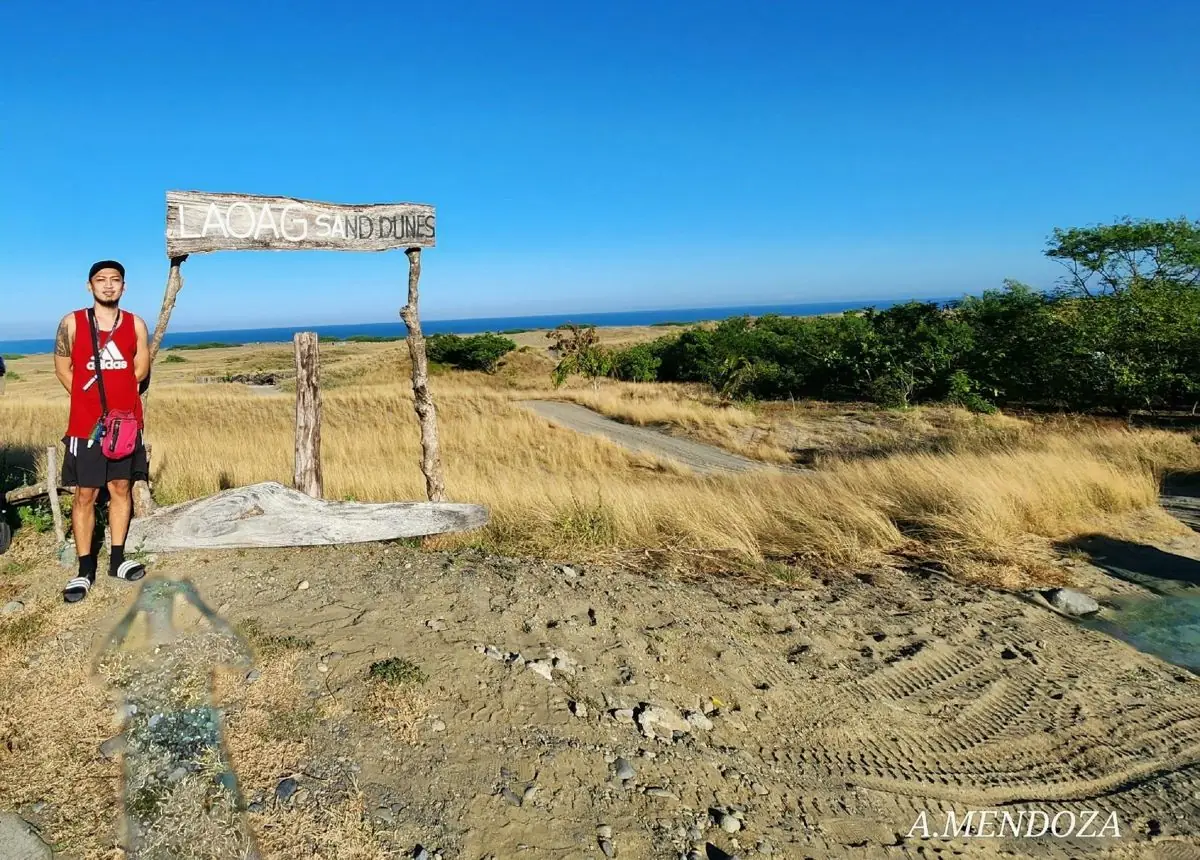
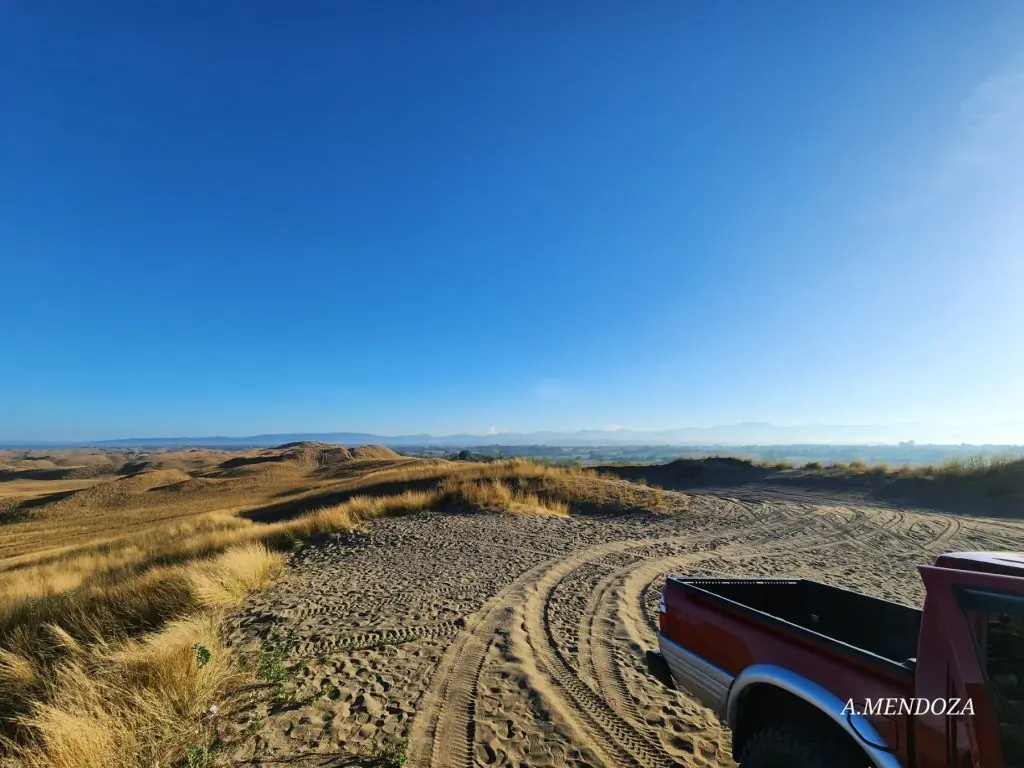
A 20-kilometer stretch of sand dunes in Laoag, the largest in the Philippines. 4x4 rides and sandboarding are available from operators at the site. The landscape is more Saharan than Philippine. The dunes formed from centuries of wind-blown beach sand accumulating inland from the coast.

Sarrat is a small municipality in the interior of Ilocos Norte. It has a colonial church, a plaza, and a quiet rhythm of provincial life. On September 11, 1917, Ferdinand Edralin Marcos was born in a house here. That fact changed the trajectory of the Philippines for the next century and is still working its effects.

In Ilocos Norte, the story of Marcos is not identical to the story told in Manila or in the history books produced by those who experienced martial law from the other side. Here, the narrative includes roads built, rice self-sufficiency achieved, and a provinceño who reached the highest office in the land. The museum in Batac exhibits his achievements alongside the ornate personal effects of his years in power. The mausoleum where his body lay for decades was a site of genuine veneration for many local visitors.

This is not simply false consciousness or manufactured loyalty, though it contains both. It is the result of geographic distance from the centers of martial law violence and proximity to the material benefits that political power directed toward home. The human rights violations of the Marcos regime were real and extensively documented. So is the loyalty of Ilocos Norte. These coexist without resolving into a single story — which is the condition of much Philippine history.