Map

Isabela

Cagayan Valley
Luzon
Capital Ilagan City
Population 1,616,174
Area 10,665 km²
Municipalities 37
Cities 3
Island Group Luzon
Languages Ilocano, Ibanag, Gaddang, Tagalog

Isabela is the largest province in Luzon and the second largest in the Philippines, covering a vast stretch of the Cagayan Valley — a lowland corridor flanked by the Cordillera to the west and the Sierra Madre to the east. It is primarily an agricultural province, and its scale means it produces more rice and corn than most countries in the region.

Ilagan CityCapital
10,665 km²Area
37Municipalities
LuzonIsland Group

Ilagan City sits in the middle of the Cagayan Valley, on the Cagayan River — the longest river in the Philippines. The city serves as the administrative hub for a province spread across more than 10,000 square kilometers of valley floor, river systems, and forested margins.

The Philippines' Rice and Corn Granary

Isabela consistently ranks among the top rice and corn-producing provinces in the Philippines. Its broad alluvial valley, well-watered by the Cagayan River system, supports two to three rice crops per year. The province supplies a significant portion of the rice consumed in Metro Manila and the northern Philippines.

The Sierra Madre mountain range, which forms the eastern boundary of Isabela, contains one of the largest remaining tracts of old-growth tropical rainforest in Southeast Asia. The Cagayan Valley and the Sierra Madre represent two completely different landscapes within the same province — the intensive agriculture of the valley floor and the relatively intact wilderness of the eastern mountains.

The Cagayan Valley was inhabited by several distinct indigenous groups before Spanish colonization — the Ibanag along the main valley, the Gaddang in the foothills, the Kalinga and Ifugao in the mountain margins. Spanish penetration of the valley was slow and contested, and the northern interior remained outside effective colonial control for much of the colonial period.

1572

Spanish Expeditions into Cagayan

Spanish forces began moving into the Cagayan Valley from the Ilocos coast, establishing missions and reducción settlements along the river. The Cagayan missions were among the most difficult to maintain in the Philippines — distance from Manila, indigenous resistance, and piracy along the coast made them perpetually unstable.

1586

Battle of Cagayan against Japanese Pirates

A Japanese pirate fleet operating from bases in Taiwan attacked the Cagayan settlements. Spanish forces under Juan Pablo de Carrion defeated the fleet in a battle that secured Spanish control of the valley's coast. The battle is commemorated as an early Filipino-Spanish military victory.

1856

Province of Isabela Created

Isabela was constituted as a separate province from Cagayan, taking the southern and interior portions of the valley. The province was named after the Spanish queen Isabella II.

1900s–1950s

Settler Migration

The American period and early Commonwealth saw large-scale migration of settlers from the Ilocos region and the Visayas into the Cagayan Valley. This migration transformed the valley's population composition and expanded agricultural cultivation into previously forested areas.

The latter twentieth century brought the Green Revolution to the Cagayan Valley, with high-yield rice varieties and irrigation infrastructure that dramatically expanded production. Isabela became one of the primary beneficiaries of the Philippine government's agricultural modernization programs — and one of the provinces most transformed by them.

Isabela's cultural life reflects its migrant history. The province's population is a mix of Ilocano settlers, Ibanag and Gaddang indigenous communities, and Tagalog, Isinai, and Visayan arrivals. The province has no single dominant regional identity in the way that Iloilo or Batangas do — it is a composite.

The Ibanag

The Ibanag people are the indigenous community most closely associated with the Cagayan Valley lowlands. Their name means 'people of the river,' and their settlements historically followed the Cagayan River and its tributaries. The Ibanag language is still spoken by a significant population in the valley, and Ibanag cultural practices — weaving, pottery, music — persist in specific communities.

Sierra Madre Biodiversity

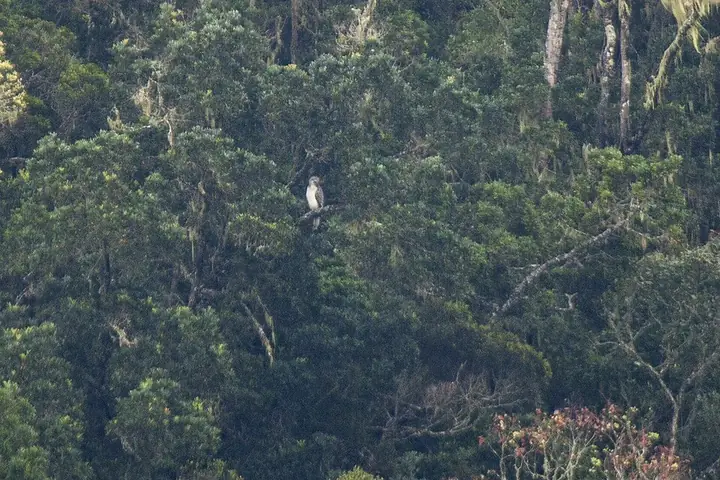
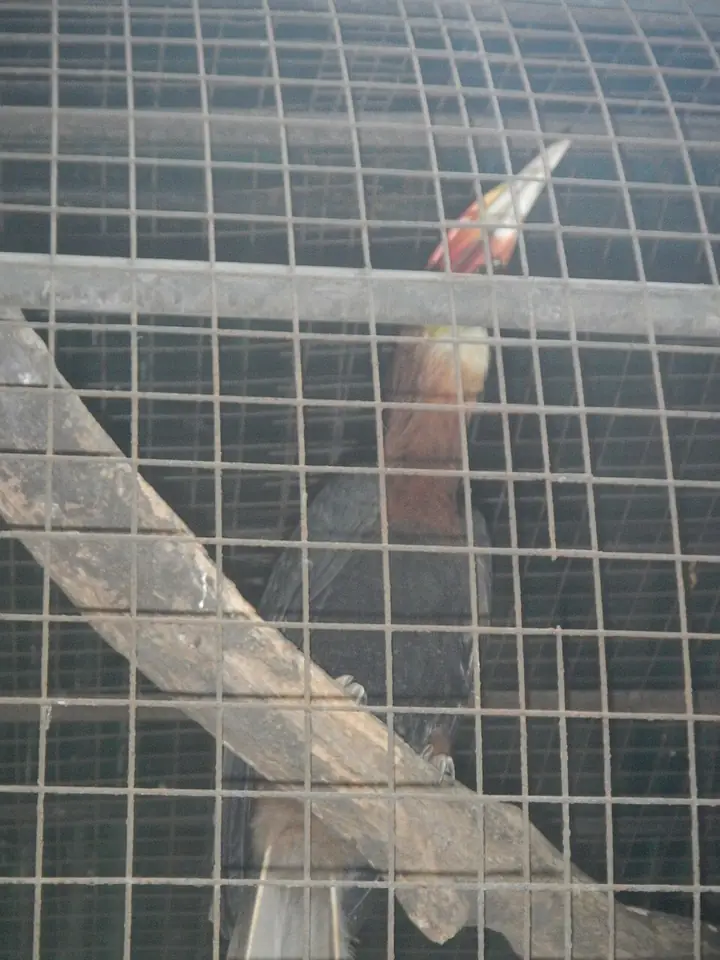
The Northern Sierra Madre Natural Park in Isabela is the largest protected area in the Philippines, covering 359,486 hectares of mostly intact tropical rainforest. It contains more bird species than any comparable area in the Philippines, including the Philippine Eagle. The park is under pressure from illegal logging, encroachment farming, and mining interests.

The Ilocano migrants who settled Isabela from the nineteenth century onward brought their festivals, language, and food culture with them. Many municipalities in Isabela feel culturally Ilocano despite the geographic distance from the Ilocos coast. The Ilocano language is widely understood throughout the province.

Isabela's food culture draws from its agricultural abundance — fresh rice, corn, vegetables, and livestock raised on the valley floor — and from the multiple cultural traditions of its mixed population. Ilocano dishes (bagnet, pinakbet) appear alongside Ibanag specialties that are less well-known outside the valley.

Pancit Cabagan

A noodle dish specific to Cabagan, Isabela — rice noodles served with a sauce of pork, vegetables, and shrimp, garnished with chicharon and spring onion. Cabagan pancit has been recognized as a provincial specialty and is eaten throughout the Cagayan Valley.

Ibanag Bibingka

A rice cake made with ground glutinous rice and coconut milk, cooked in clay pots over charcoal with live coals placed on the lid. The Ibanag version is denser and less sweet than the Manila-style bibingka, closer to a steamed rice pudding.

Igado

Ilocos / Cagayan Valley
20 minutesPrep
30 minutesCook
4Serves
Ingredients
  • 300gpork liver, sliced thin
  • 200gpork heart, sliced thin
  • 200gpork tenderloin, sliced
  • ½ cupcane vinegar
  • 3 tbspsoy sauce
  • 6 clovesgarlic, minced
  • 1 mediumonion, sliced
  • ½ cupgreen peas (frozen or canned)
  • 3 piecesbay leaves
  • 1 tspblack pepper
Method
  1. Sauté garlic and onion until softened.
  2. Add pork tenderloin and cook until browned.
  3. Add heart and cook for 5 minutes.
  4. Pour in vinegar and bring to a boil without stirring. Allow vinegar to reduce for 3 minutes.
  5. Add soy sauce and bay leaves.
  6. Add liver last — it overcooks quickly. Stir and cook for 3–4 minutes only.
  7. Add green peas and black pepper.
  8. Adjust seasoning and serve with steamed rice.
Cook's note

Igado is an offal dish that requires timing — the liver must go in last or it will turn gritty. The vinegar is added first and allowed to cook down without stirring, which is the technique shared with adobo. Igado is an Ilocano dish that has spread throughout northern Luzon and is standard in Isabela households.

Isabela is linguistically diverse, reflecting its settlement history. Ilocano is the most widely spoken language in the province, used as a lingua franca across municipal boundaries. Ibanag is spoken by the indigenous population of the valley lowlands. Gaddang, Isinai, and several other Cagayan Valley languages are spoken in specific municipalities.

Ilocano (dominant)Primary Language
Ibanag, Gaddang, Isinai, YogadIndigenous Languages
AustronesianLanguage Family
Cagayan Valley (Region II)Region

Ibanag is a Northern Philippine language with a significant speaker population — approximately 500,000 people — and a recorded literature going back to the Spanish colonial period, when missionaries translated Christian texts into Ibanag. The language has its own distinct phonology and vocabulary, and speakers maintain a clear sense of Ibanag cultural identity distinct from Ilocano.

Gaddang is spoken by communities in the transitional zone between the valley floor and the Cordillera foothills. It is a smaller language, with perhaps 30,000 speakers, and is under pressure from Ilocano and Filipino in the school system and media environment.

Ilagan City is the entry point for Isabela, reached by flights from Manila to Cauayan Airport or by land via the Maharlika Highway from Manila or from Tuguegarao in Cagayan. The province is large and travel between municipalities requires patience and good road knowledge.

~490 km to IlaganDistance from Manila
Cauayan Airport (Cauayan City)Airport
~1 hour from ManilaFlight Time
9–11 hours from ManilaBus Time

Northern Sierra Madre Natural Park

The largest protected area in the Philippines, covering the mountain range along Isabela's eastern boundary. Access is from the coastal towns of Palanan or Divilacan, reached by boat or small aircraft from Ilagan. The park is remote and requires permits and guides. It contains primary rainforest, threatened species, and some of the most intact wilderness in the Philippines.

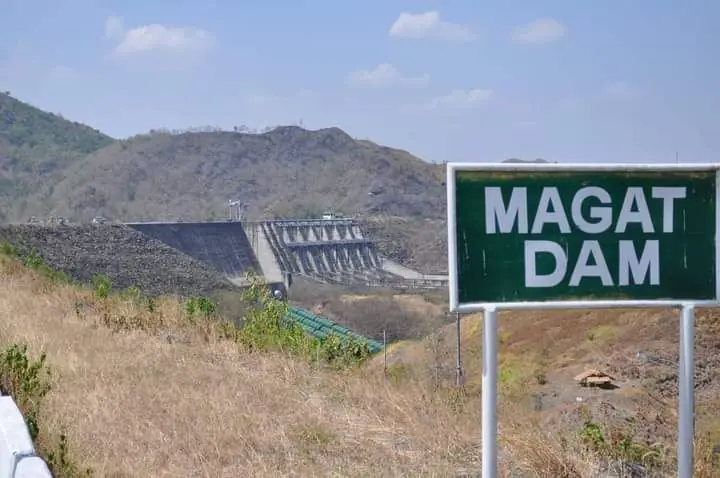
Magat Dam

One of the largest dams in the Philippines, built on the Magat River tributary of the Cagayan system. The reservoir is large enough to be used for boating and fishing, and the dam infrastructure itself is an engineering landmark. The dam regulates flooding for the Cagayan Valley and provides irrigation water for the province's rice fields.

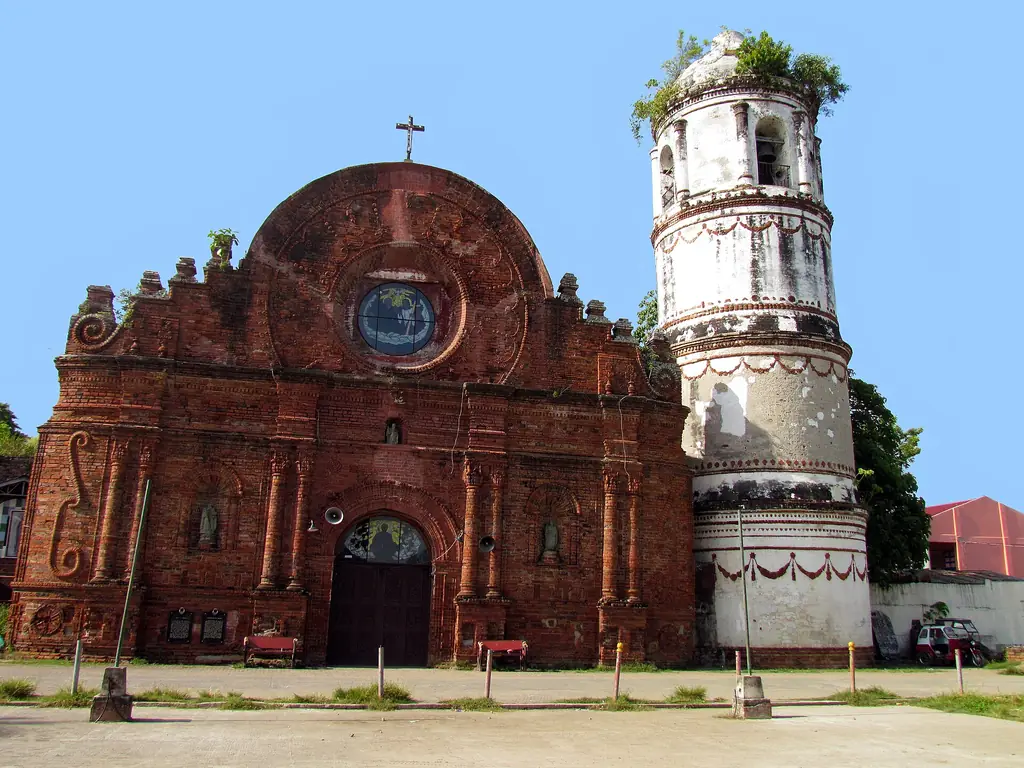
Tumauini Church

The Saint Matthew the Apostle Parish Church in Tumauini is a Spanish-era baroque church notable for its unusual hexagonal bell towers and elaborate facade. Built in the eighteenth century, it is one of the more architecturally distinctive colonial churches in northeastern Luzon.

Palanan Access

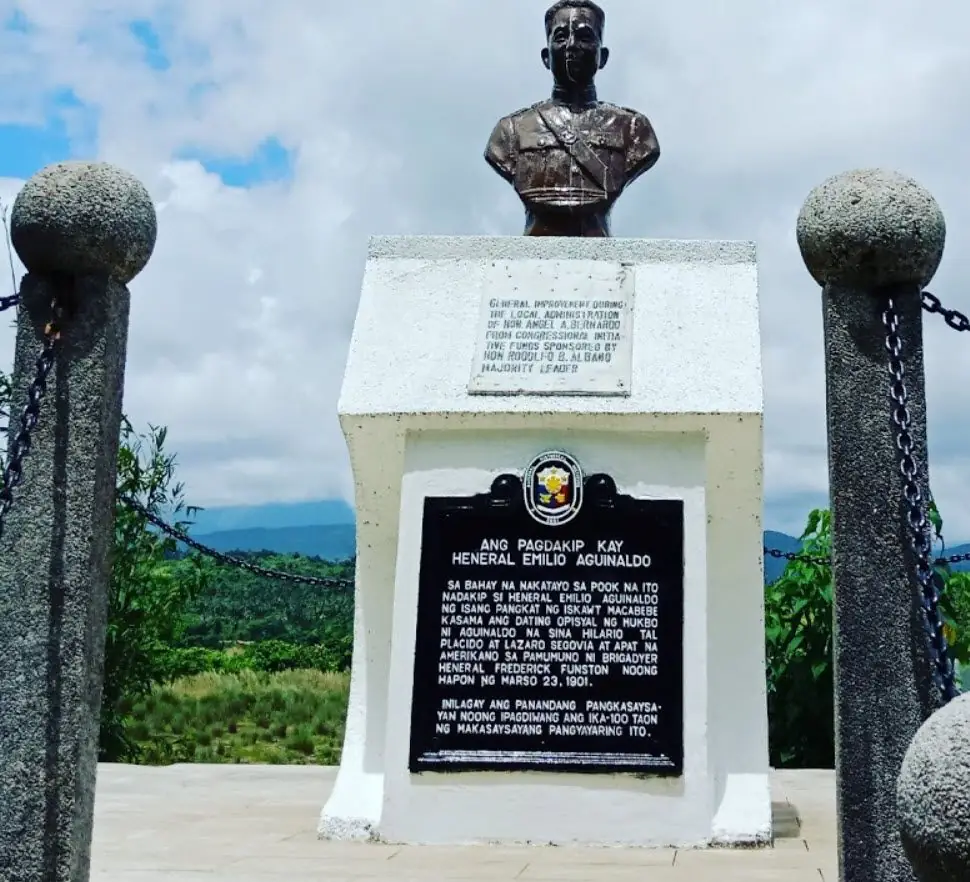
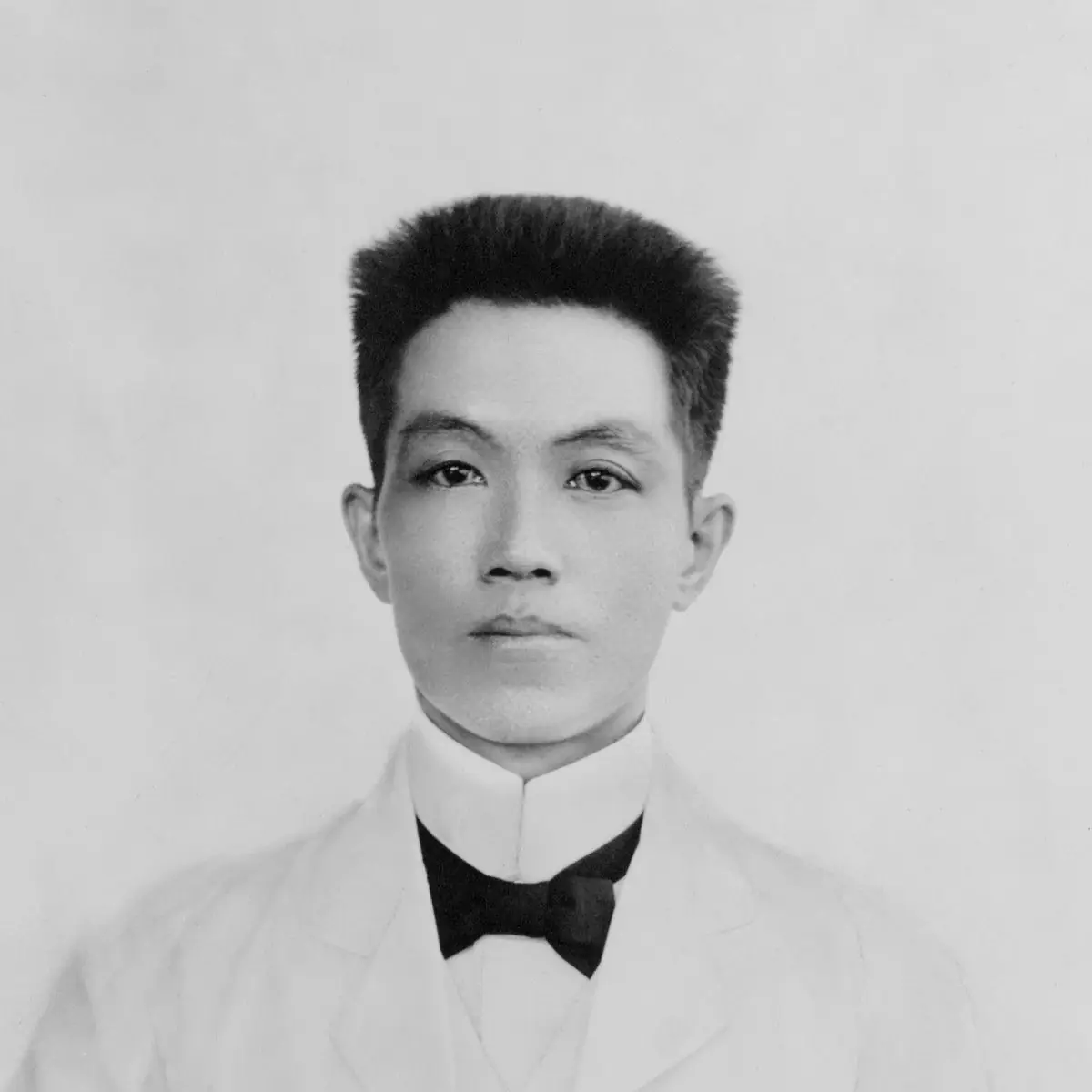
Palanan, the municipality closest to the core of the Northern Sierra Madre Natural Park, is accessible by MASkara or budget airline from Ilagan or Tuguegarao. The flight takes 30 minutes; the overland route takes 10+ hours on rough roads. Palanan is also where Emilio Aguinaldo was captured by American forces in 1901 — the town has historical significance beyond its role as a park gateway.

The Cagayan Valley is one of the great flatlands of Southeast Asia — a broad agricultural floor sixty kilometers wide and over three hundred kilometers long, bounded by mountain ranges on both sides and drained by the longest river in the Philippines. Its scale makes it difficult to apprehend from within. You drive for an hour and the view changes in degree but not in kind: rice fields, corn, a carabao pulling a harrow, a provincial bus, more rice fields.

The Ibanag have been part of this landscape for as long as the landscape has been farmed. Their name — 'people of the river' — describes a relationship with the Cagayan system that predates Spanish settlement, American colonial agriculture, and the Green Revolution that transformed the valley floor in the 1970s. The river flooded on its own schedule, deposited its own soil, and the Ibanag organized their agricultural calendar around its rhythms.

The Magat Dam changed the river's behavior substantially. Flood control was its stated purpose, and it achieved it — the catastrophic floods that used to sweep the valley in wet seasons became less frequent, less severe. But the dam also changed the sediment dynamics of the lower valley, altered fish migration patterns, and regulated what had previously been a natural system. The valley became more productive and more controlled simultaneously.

To the east, the Sierra Madre stands largely intact — a mountain range that remained outside the agricultural transformation because its terrain prevented it. The same mountains that once protected the Ibanag from Spanish penetration now protect one of the last large-scale tropical rainforest ecosystems in the Philippines from development. The forest endures not because anyone chose to protect it but because it was too difficult to reach. That is not a stable basis for conservation, but it is the one that has worked so far.