Map

La Union

Ilocos Region
Luzon
Capital San Fernando City
Population 826,300
Area 1,493 km²
Municipalities 19
Cities 1
Island Group Luzon
Languages Ilocano, Pangasinense

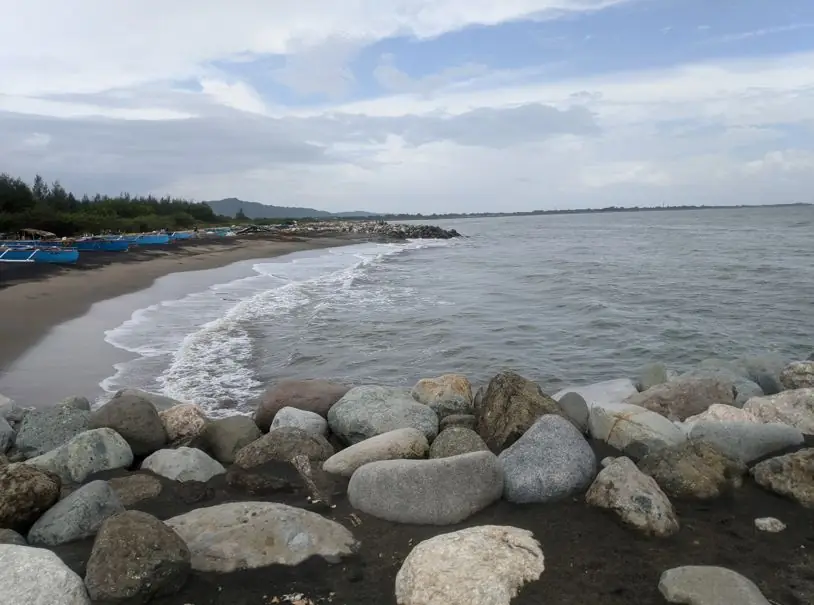
La Union is a coastal province on the western edge of Luzon, facing the South China Sea. It is one of the Ilocos Region provinces, though its southern municipalities share cultural and linguistic ties with the Ilocano north and the Pangasinan lowlands to the south. Its coastline runs for about 90 kilometers, and it is best known today as the surf capital of northern Luzon — the break at San Juan drawing surfers from across the country year-round.

San Fernando CityCapital
1,493 km²Area
19Municipalities
LuzonIsland Group
Ilocos (I)Region
Two Capitals Named San Fernando

La Union's capital, San Fernando City, shares its name with San Fernando City in Pampanga — the capital of that province in Central Luzon. The two are unrelated and roughly 250 kilometers apart. The Ilocos San Fernando is the smaller of the two.

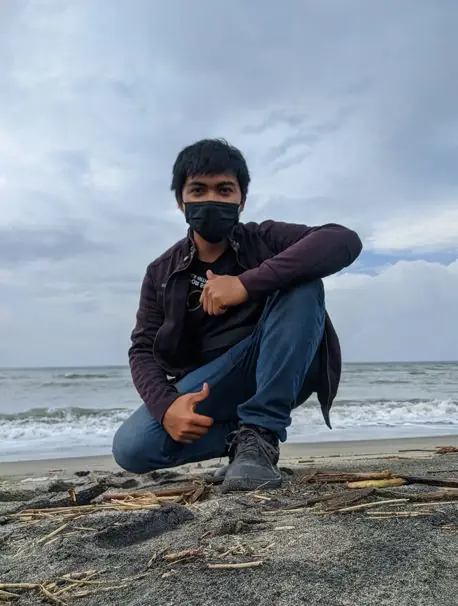
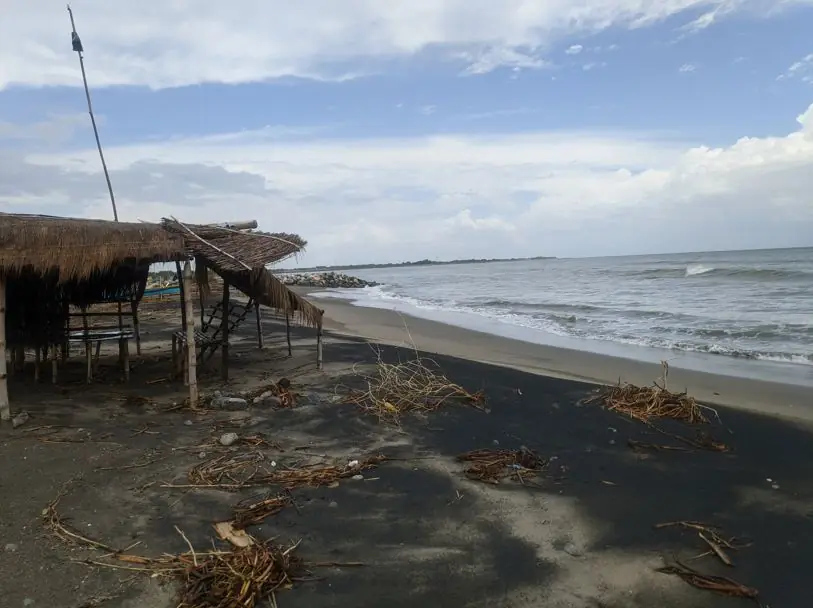
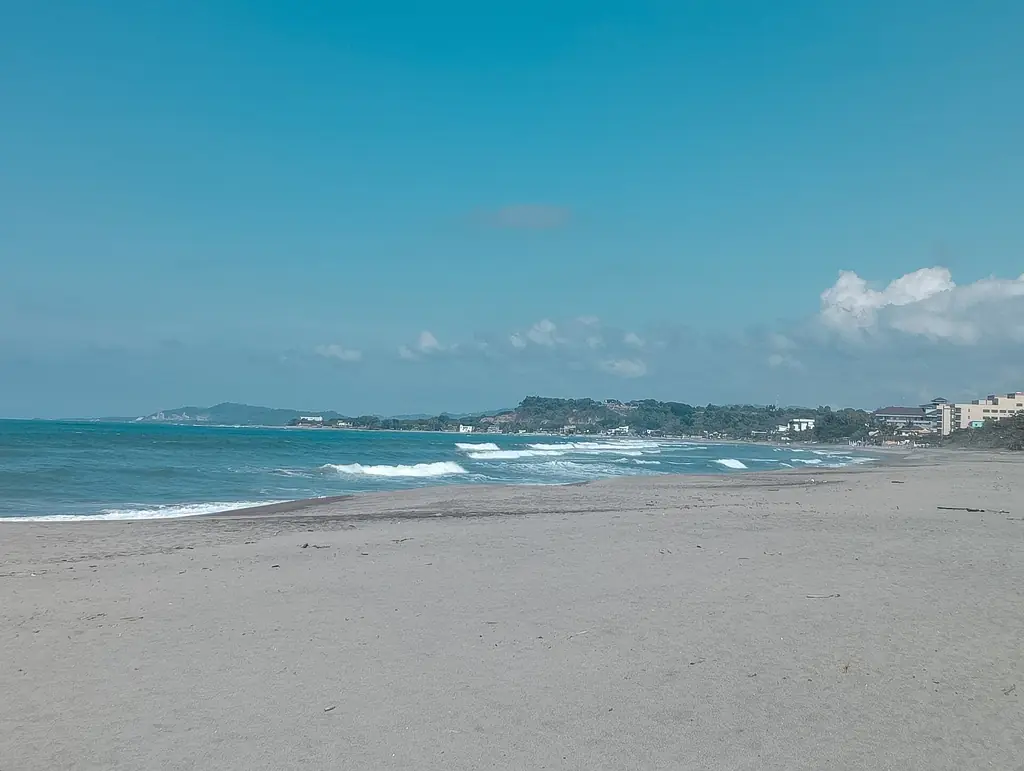
The province is mostly hilly interior terrain with a narrow coastal plain. The Cordillera foothills rise sharply behind the shoreline in the northern municipalities. Agriculture — rice, tobacco, vegetables — fills the lowland areas. The coast itself, with its long stretches of gray-brown sand and consistent Pacific swells refracting around the Ilocos coastline, drew the surf community that now defines the province's tourism.

San Fernando City is the administrative and commercial center. It sits roughly midway along the province's coastline and serves as the main transport hub connecting the Ilocos region to Metro Manila and the Cordillera provinces.

The area now known as La Union was originally inhabited by Ilocano and Pangasinan peoples. It was part of the broader Ilocos governorate during the Spanish period, administered together with Ilocos Sur and Ilocos Norte before being separated into its own province.

1850

La Union Established as a Province

The Spanish colonial government formally creates La Union from territories previously under Ilocos Sur and Pangasinan, with San Fernando as its capital.

1898–1900

Philippine Revolution and American Arrival

La Union's educated class joins the broader revolutionary movement. The American military establishes control over the province by 1900 as part of the pacification of Luzon's western coast.

1941–1945

Japanese Occupation

Japanese forces land on the Ilocos coast in December 1941 and move quickly through La Union on their way south. The province is occupied for the duration of the war; guerrilla activity operates in the Cordillera foothills.

1975

San Fernando Becomes a City

San Fernando is chartered as a city, formalizing its role as the main urban and administrative center of La Union.

The surf culture of San Juan developed organically through the 1990s and 2000s as travelers from Manila discovered the consistent breaks along the coast. By the 2010s, the area had transformed from a quiet fishing community into a recognized surfing destination with a developed tourist economy.

La Union sits at the transition zone between Ilocano and Pangasinan culture. The northern municipalities are predominantly Ilocano-speaking and follow Ilocano social traditions — the emphasis on thrift, communal labor, and the Catholic feast calendar. Southern municipalities show more Pangasinan influence in language and practice.

The Surf Community

San Juan municipality has developed a beach culture unlike anything else in the Ilocos Region. Surf schools, board rental shacks, hostels, cafes, and weekend music events have reshaped the town's economy and social life. Local families who once fished from outriggers now run accommodation businesses and serve as surf instructors. The surf community has brought in residents from across the Philippines and a stream of foreign visitors, creating a social mix unusual in this part of Luzon.

Surf Capital of Northern Luzon

The break at San Juan, La Union, works on northwest and north swells generated in the South China Sea during the northeast monsoon (amihan) season from October to March. The waves are generally small to medium — ideal for beginners and intermediate surfers — making the spot accessible to a wide range of skill levels.

Traditional Ilocano festivals continue in the interior municipalities. Bangar and other towns celebrate their patron saints with processions, agri-cultural fairs, and family reunions. The Semana Santa (Holy Week) observances in some municipalities include the older forms of penitential practice that have diminished elsewhere in the Philippines.

La Union shares the Ilocano food tradition: simple, intensely flavored, centered on preserved meats, sour broths, and vegetables from highland gardens. Bagnet — the deep-fried Ilocano pork belly — appears at every table. Pinakbet uses a wider range of vegetables than the Manila version. Freshwater fish from mountain streams and saltwater catches from the South China Sea both appear at market.

Bagnet

Deep-fried pork belly that has been boiled first in water with salt and aromatics, then dried and submerged in hot oil until the skin blisters and crunches. The defining dish of Ilocano cooking, eaten with pinakbet, rice, and bagoong.

Pinakbet

Mixed vegetables — bitter melon, eggplant, okra, squash, string beans, tomatoes — cooked with bagoong isda (fermented fish paste) from Pangasinan or bagoong alamang. The Ilocano version uses bagoong isda rather than shrimp paste, giving the dish a stronger, saltier flavor.

Dinengdeng

Ilocano / La Union
10 minutesPrep
20 minutesCook
4Serves
Ingredients
  • 3 tbspBagoong isda (fermented fish paste)
  • 3 cupsWater
  • 2 piecesGrilled or fried fish (whole or fillet)
  • 200g, cubedSquash
  • 100g, cut into 2-inch piecesString beans
  • 1 medium, slicedEggplant
  • 1 small, slicedBitter melon
  • 2 medium, quarteredTomato
  • 1-inch piece, slicedGinger
Method
  1. Bring water to a boil in a pot. Add bagoong isda and ginger. Simmer for 5 minutes.
  2. Add squash and cook for 3 minutes.
  3. Add eggplant, string beans, and bitter melon. Cook for 5 minutes.
  4. Add tomato and grilled fish. Simmer for another 3 minutes.
  5. Taste and adjust with more bagoong if needed. Serve hot with rice.
Cook's note

Dinengdeng is essentially an Ilocano vegetable soup with fermented fish broth. It is lighter than pinakbet and more soupy. The pre-grilled fish adds a smoky depth to the broth.

Ilocano is the primary language of La Union, spoken across most of the province's 19 municipalities. It is part of the northern Philippine branch of the Austronesian language family and is the third most widely spoken language in the Philippines after Filipino and Cebuano.

In the southern municipalities of La Union — particularly those bordering Pangasinan — Pangasinan language speakers are present, and code-switching between Ilocano and Pangasinan is common in markets and border communities. Filipino and English are used in government, schools, and commerce.

Ilocano Diaspora

Ilocano is spoken not just in the Ilocos Region but throughout northern Luzon, in the Cagayan Valley, and among the large Ilocano diaspora in Hawaii, California, and other parts of the United States. Ilocanos were among the earliest Filipino immigrants to Hawaii's sugar plantations in the early 1900s.

The surf and tourism community in San Juan has introduced a layer of Manila Filipino, English, and even some foreign languages into the coastal zone. This linguistic mixing is audible in the beach cafes and hostels of San Juan but does not extend far into the interior municipalities.

La Union is roughly 5 to 6 hours from Metro Manila by bus via the TPLEX and NLEX expressways. Regular bus lines depart from Cubao, Sampaloc, and Pasay. The province is also accessible from Baguio City in about 2 hours along Kennon Road or the Marcos Highway.

~5–6 hours by busFrom Manila
~2 hours by roadFrom Baguio
Baguio Airport or NAIA (Manila)Nearest Airport
October to March (amihan)Best Surf Season

San Juan Surf Beach

The main surfing area in La Union, centered on Urbiztondo Beach in San Juan municipality. Surf schools, board rentals, and a dense strip of cafes and accommodations line the beach road. The break works best on northeast swells from October to March, but smaller waves are surfable year-round.

Ma-Cho Temple (Bahay na Bato)

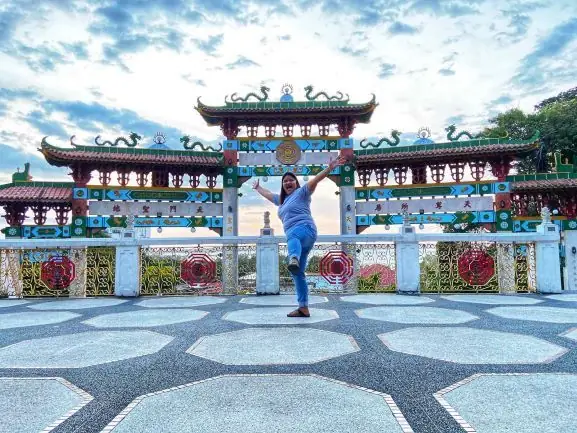
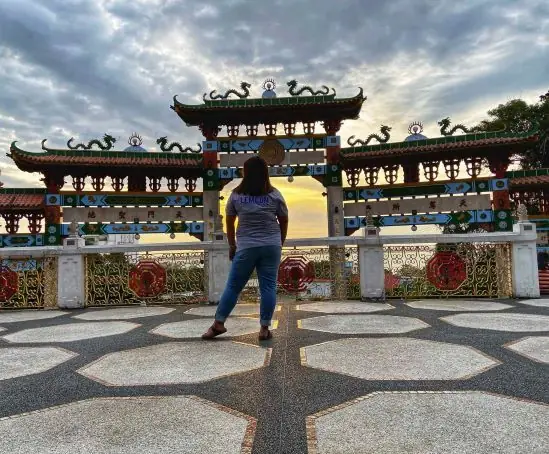
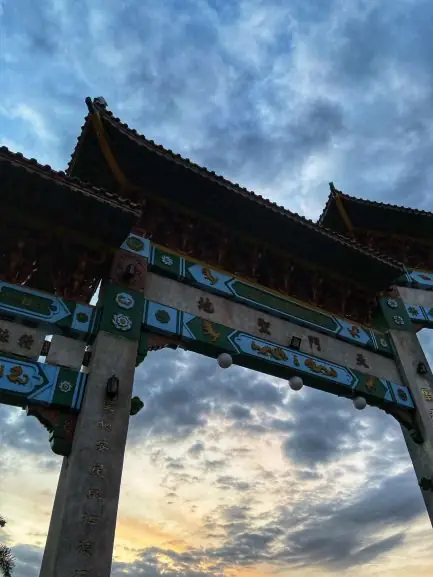
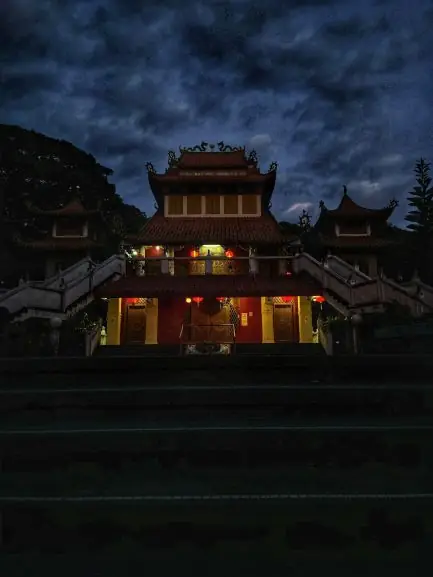
A Chinese-Filipino Taoist temple on a hilltop in San Fernando City, dedicated to the sea goddess Ma-Cho (Mazu). The site offers views of the coast and reflects the significant Ilocano-Chinese community that has shaped La Union's commercial life. The ornate structure is one of the few Chinese temples in the Ilocos region.

Tangadan Falls

A multi-tier waterfall in San Gabriel municipality, set in the foothills of the Cordillera. The trek to the falls crosses a river several times and takes about an hour from the trailhead. The area is cool compared to the coast and shows the ecological transition from lowland coast to highland forest.

Pindangan Ruins

The ruins of a large Spanish-era church in the municipality of San Fernando, left partially standing after an earthquake. The stone walls and bell tower shell are among the more atmospheric colonial remnants on the Ilocos coast.

Learning to Fall

The beach at Urbiztondo is not dramatic. The waves are not large. On most days they come in at knee to chest height, peeling slowly across a sandbar, beginner-friendly almost by design. This is what made San Juan, La Union into what it became: a place where you could learn to surf without getting hurt, close enough to Manila for a long weekend, cheap enough to stay for a month.

The first surf tourists arrived in the 1990s. They stayed with fishing families, paid small sums for a mat on the floor, borrowed boards from whoever had them. The fishing families eventually built proper rooms. The rooms became guesthouses. The guesthouses became boutique hotels with minimalist interiors and cocktail menus. The fishing boats share the water with surf schools now, and the fishermen's children teach surfing to visitors from Seoul and Singapore.

Some older residents will tell you the beach changed too fast, that the place they knew is gone. Others will point to the new concrete houses their families built on surf school income and say nothing. Both things are true. The wave still comes in at the same angle it always did, and people still fall off their boards the first time, and the instructors still haul them up laughing, and the South China Sea rolls in off the water that stretches to Vietnam and does not care about any of it.