Map

Laguna

CALABARZON
Luzon
Capital Santa Cruz
Population 3,035,081
Area 1,759 km²
Municipalities 30
Cities 5
Island Group Luzon
Languages Tagalog, Filipino

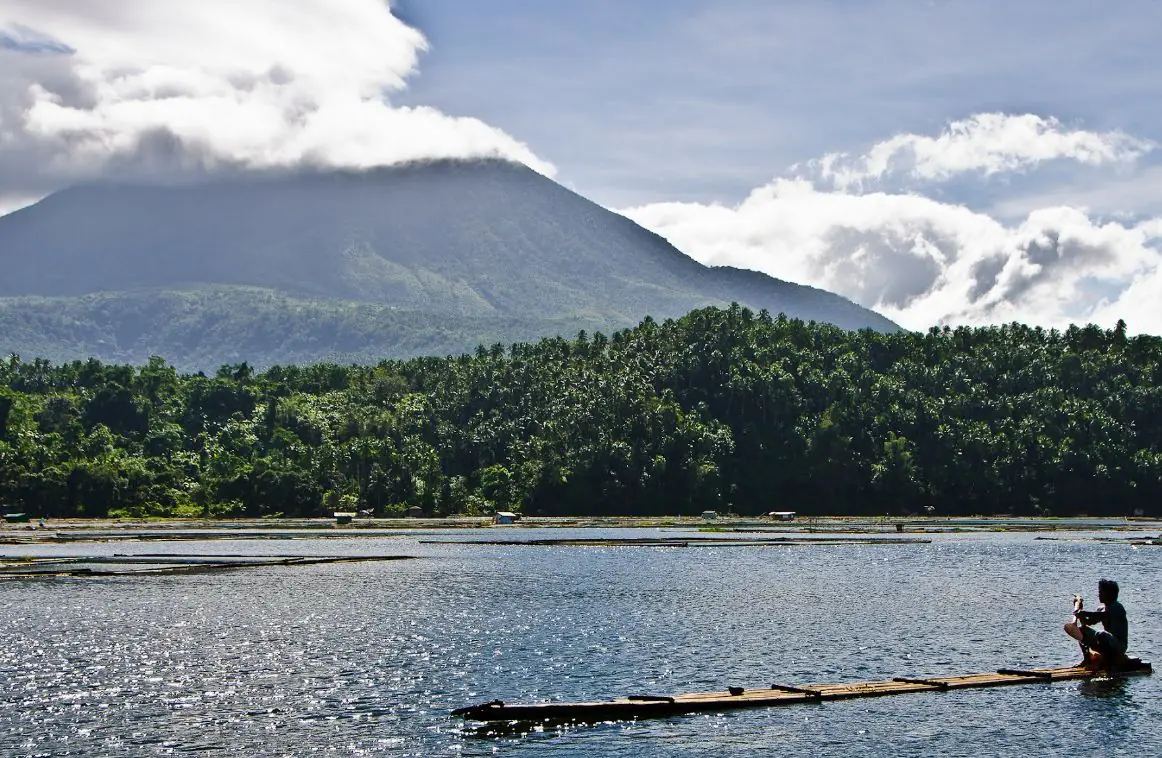
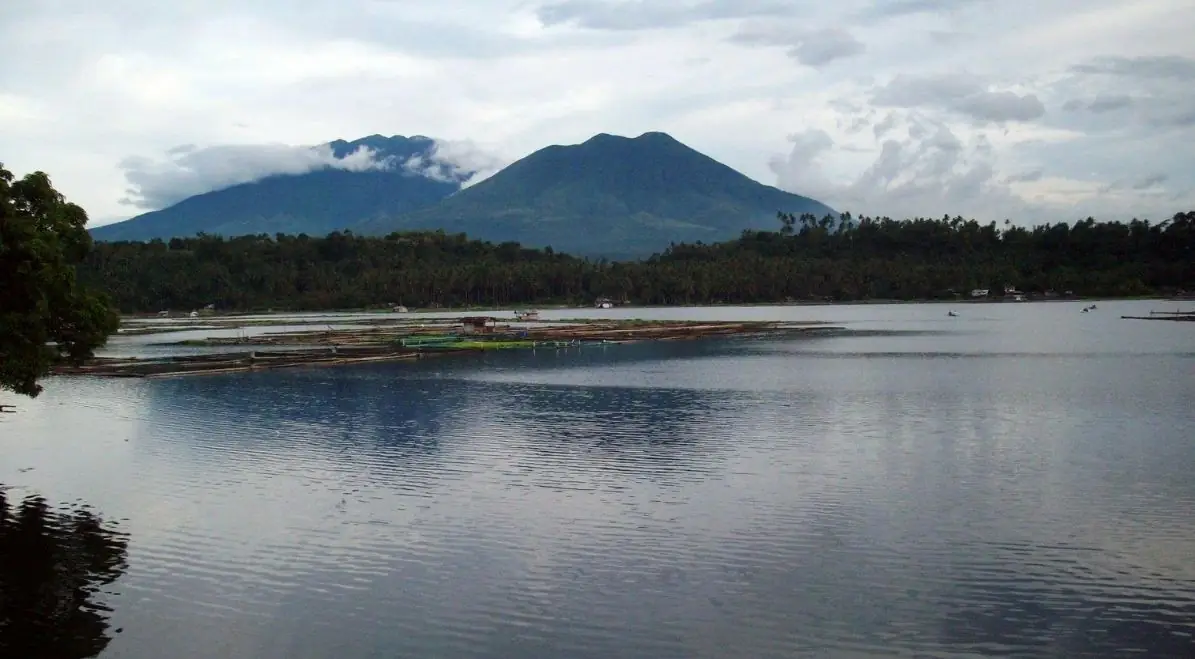
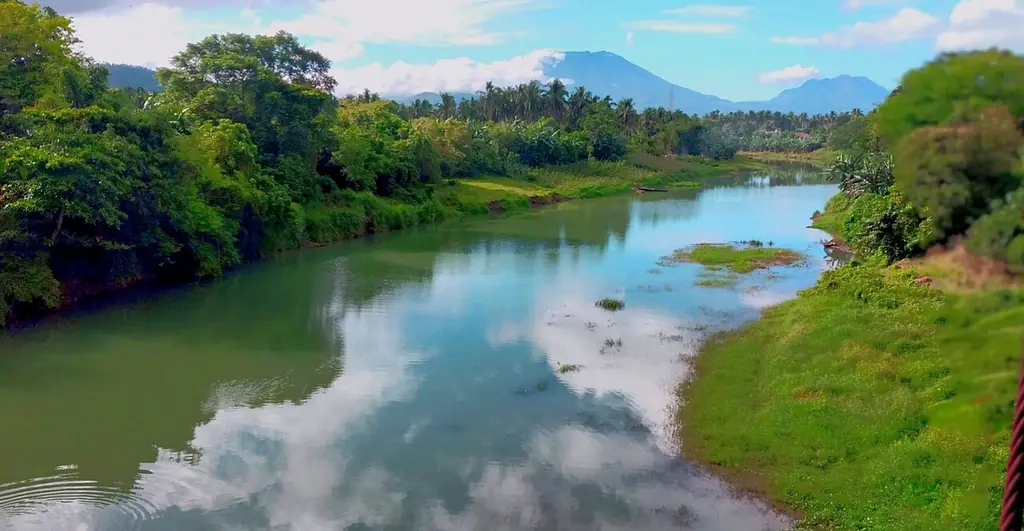
Laguna wraps around the southern and eastern shores of Laguna de Bay — the largest lake in the Philippines — and extends south into the foothills of Mount Banahaw. It is a province that has produced a disproportionate share of Philippine history: Jose Rizal was born here, the first Philippine newspaper was printed here, and the oldest document ever found in the Philippines — the Laguna Copperplate Inscription of 900 CE — was discovered in the Laguna River.

Santa CruzCapital
1,759 km²Area
30Municipalities
LuzonIsland Group

Santa Cruz serves as the provincial capital, but the province's character is defined less by its administrative center than by the cluster of towns surrounding the lake — Los Baños, Calamba, Pagsanjan, Alaminos — each with its own distinct identity and claim to significance.

Laguna de Bay

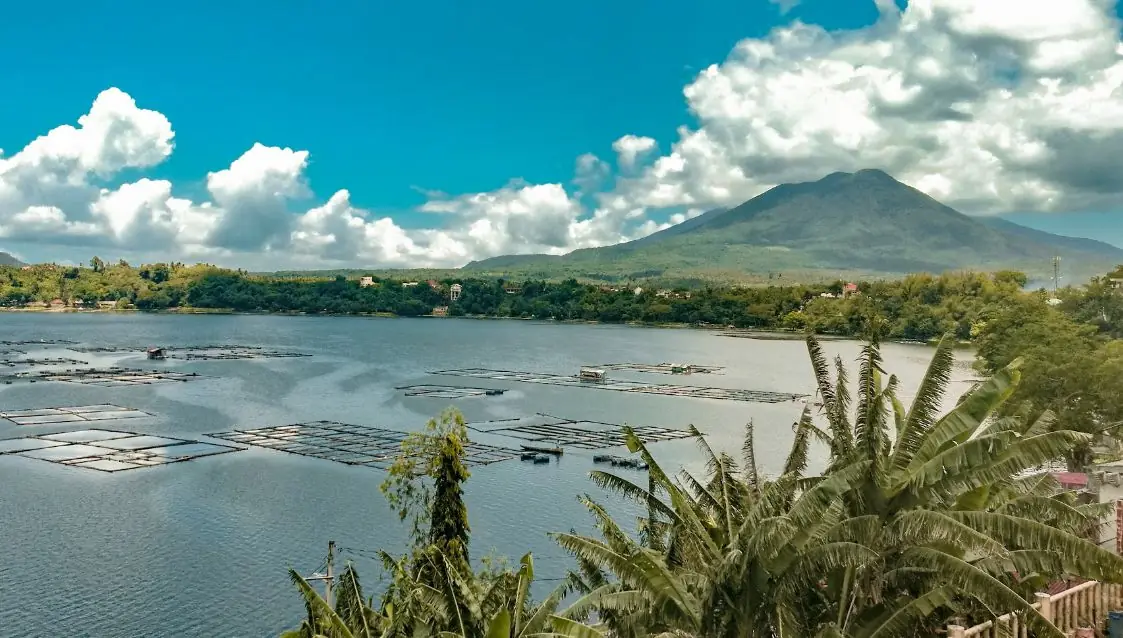
Laguna de Bay — 'Lake of Bay' — is the largest lake in the Philippines at 900 square kilometers. Despite its size, it averages only 2.8 meters in depth, making it one of the shallowest large lakes in the world. It provides water, fish, and livelihood to the communities along its shores and is a major source of freshwater fish for Metro Manila.

Laguna is also known for its hot springs — Los Baños and Pansol are among the most popular hot spring resort areas accessible from Manila — for its buko (coconut) pie, which has become a national culinary institution, and for the scenic Pagsanjan Falls in the mountain interior.

Laguna's documented history begins earlier than most Philippine provinces. The Laguna Copperplate Inscription, dated 900 CE and written in Old Malay with Sanskrit and Old Javanese elements, proves that the communities around Laguna de Bay were literate, commercially active, and connected to the broader Austronesian maritime world a full six centuries before Spanish contact.

900 CE

Laguna Copperplate Inscription

The oldest known document found in the Philippines was inscribed in 900 CE. Written in a language related to Old Malay on a copper sheet, it records the pardon of a debt for a man named Namwaran. The document reveals a literate community with connections to Sanskrit and Javanese culture — evidence of integration into the wider Austronesian world centuries before Spanish arrival.

1571

Spanish Establish Control of Laguna

Spanish forces moved south from Manila to establish control of the lakeside communities. Franciscan missionaries followed, establishing missions in the towns around Laguna de Bay. The lake communities were already densely settled and commercially active — the Spanish found organized societies to administer, not wilderness to settle.

June 19, 1861

Jose Rizal Born in Calamba

Jose Protacio Rizal Mercado y Alonzo Realonda was born in Calamba, Laguna. He would become the national hero of the Philippines — novelist, poet, doctor, ophthalmologist, sculptor, and revolutionary figure. His birthplace in Calamba is now the Rizal Shrine, a national historical monument.

1896

Calamba Involvement in the Revolution

The Calamba community, including members of the Rizal family, was directly affected by the Philippine Revolution. The Spanish authorities had confiscated Rizal family lands in Calamba years before; the community's revolutionary sentiments were shaped in part by these land disputes.

1917

University of the Philippines Los Baños

The UP College of Agriculture was established at Los Baños, on land with hot springs and access to the lake. It grew into the University of the Philippines Los Baños, the premier agricultural research university in the Philippines and home of the International Rice Research Institute.

Laguna's cultural identity is shaped by its proximity to Metro Manila, its revolutionary history, and a provincial pride rooted in being the birthplace of the national hero. Tagalog is the language here, which means Laguna's folk culture feeds directly into what became the national culture.

Jose Rizal's Laguna

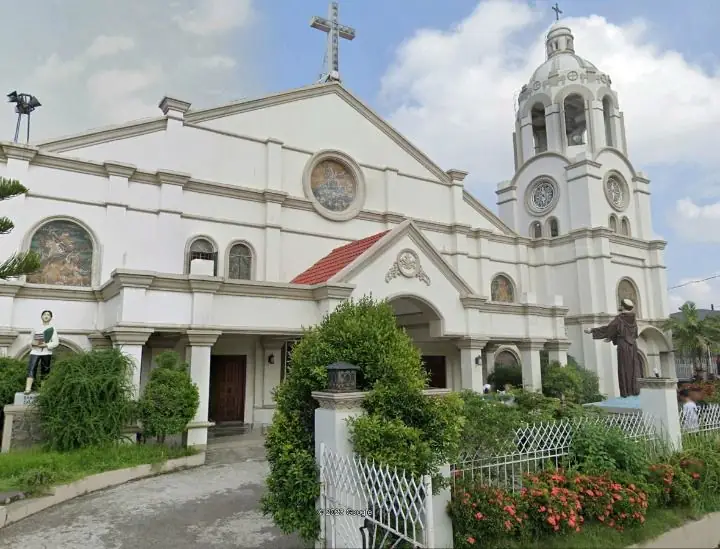
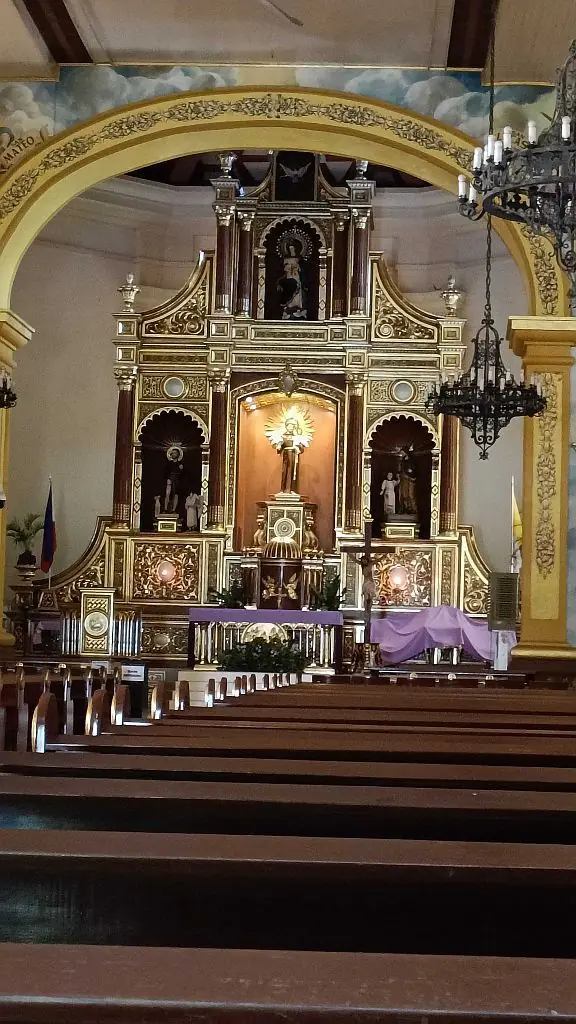
Calamba is not a literary pilgrimage town in the way that Stratford-upon-Avon is, but it contains real anchors to Rizal's life — the family house, the church where he was baptized, the town plaza where the Rizal statue stands alongside the church. The Laguna landscape — the lake, the volcanic hills, the rice fields — is the landscape of his childhood and appears in his writing.

JR

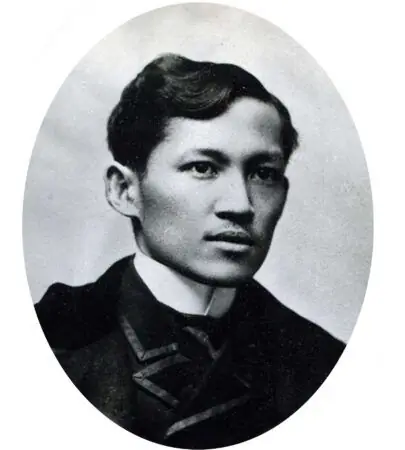
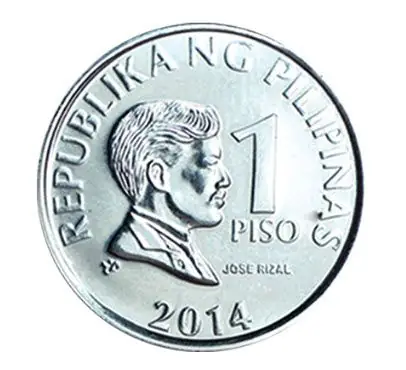
Jose Rizal

National Hero, Novelist, Physician1861–1896

Born in Calamba on June 19, 1861, Rizal studied medicine in Manila, then in Spain, Germany, and France. He wrote Noli Me Tangere (1887) and El Filibusterismo (1891) — novels that exposed the abuses of Spanish colonial rule and became the literary foundation of Philippine nationalism. He was executed by firing squad in Manila on December 30, 1896, at the age of 35. His execution turned him into a martyr and accelerated the revolution.

IRRI in Los Baños

The International Rice Research Institute (IRRI), established in Los Baños in 1960, developed the high-yield rice variety IR8 — known as 'miracle rice' — that sparked the Green Revolution in Asia. The rice varieties developed at IRRI are estimated to have prevented famine for hundreds of millions of people in Asia and Africa. The institute sits on land in Laguna that was chosen partly for its proximity to Laguna de Bay and partly for its experimental value as representative of Philippine agricultural conditions.

Laguna's food culture is built on the lake's freshwater fish, the province's coconut production, and a baking tradition centered on buko pie. The province sits at the edge of Metro Manila's food supply chain and has both the rural agricultural food of its interior and the more developed commercial food culture of its lakeside towns.

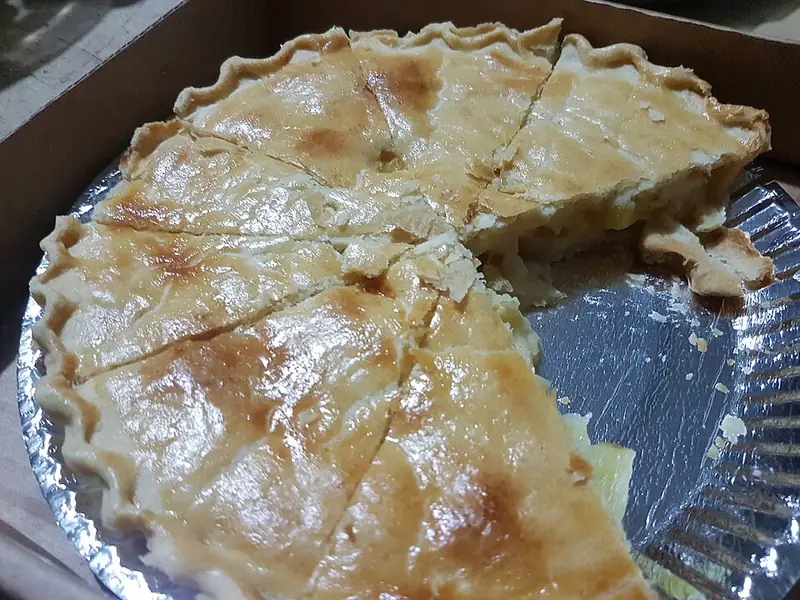
Buko Pie

The defining pastry of Laguna — a double-crust pie filled with young coconut (buko) meat in a slightly sweetened coconut cream filling. The Los Baños version is the benchmark: large, simple, freshly baked. Dozens of bakeshops along the highway from Manila sell buko pie, and the competition for the best version is an ongoing provincial argument.

Sinantolan

A Laguna specialty made from the flesh of santol fruit mixed with shrimp paste (bagoong alamang), coconut milk, and chili. The santol is bitter and aromatic; the coconut milk and bagoong balance it. Served as a side dish or condiment. Not found in this form outside the southern Tagalog region.

Buko Pie

Laguna (Los Baños)
30 minutesPrep
40 minutesCook
8Serves
Ingredients
  • 2½ cupsall-purpose flour
  • 120gcold butter, cubed
  • 6–8 tbspcold water
  • 1 tspsalt
  • 3 cupsyoung coconut meat (buko), shredded
  • 1 cupcoconut milk
  • ½ cupsugar
  • 4 tbspcornstarch
  • 1egg yolk, beaten (for wash)
Method
  1. Make pastry: mix flour and salt. Cut in cold butter until mixture resembles coarse crumbs. Add cold water tablespoon by tablespoon until dough comes together. Divide into two portions, wrap, and refrigerate for 30 minutes.
  2. Make filling: combine coconut milk, sugar, and cornstarch in a saucepan. Cook over medium heat, stirring constantly, until thick. Remove from heat and stir in buko meat. Cool completely.
  3. Preheat oven to 190°C.
  4. Roll out one dough portion and line a 9-inch pie dish.
  5. Pour cooled filling into the pastry shell.
  6. Roll out second dough portion and place over filling. Crimp edges to seal.
  7. Brush top with egg yolk wash. Cut several vents.
  8. Bake 35–40 minutes until golden.
  9. Cool before slicing — the filling sets as it cools.
Cook's note

The filling must be completely cool before assembling — a warm filling makes the pastry bottom soggy. Use fresh buko from a market vendor rather than canned coconut; the texture is entirely different. The best buko pie in Laguna uses buko harvested on the day of baking.

Laguna is a Tagalog-speaking province. The Tagalog spoken here is essentially the same as Manila Tagalog, and because Laguna sits in the Tagalog heartland, it is a province where Filipino — the national language based on Tagalog — feels entirely at home rather than imposed.

TagalogPrimary Language
National language baseSpeakers
Austronesian / PhilippineLanguage Family
CALABARZON (Region IV-A)Region

Rizal wrote primarily in Spanish, secondarily in Tagalog and French and German. The language question of his era — what language should the Philippine nation use — was not yet resolved, and Rizal navigated multiple languages simultaneously. The Tagalog translations of his novels, made after his death, gave them a wider Philippine readership but the original Spanish versions are the literary objects.

Tagalog and Filipino

Filipino, the national language, is based on Tagalog — specifically the Manila-area Tagalog that became the medium of national broadcasting, literature, and education in the twentieth century. Laguna Tagalog, slightly different from Manila Tagalog in vocabulary and some grammatical forms, feeds into this standard. Being in Laguna is being at the source of the national language.

Laguna is the closest province to Metro Manila, connected by multiple highways. The SLEX expressway reaches Calamba in about an hour from Makati in light traffic — though traffic on this route can be severe on weekends. The province is one of the most heavily visited in the Philippines, partly because of its accessibility.

~50 km to CalambaDistance from Manila
1–2 hours (SLEX, varies with traffic)Travel Time
Multiple Manila–Sta. Cruz–Lucena routesBus Routes
NAIA, ManilaNearest Airport

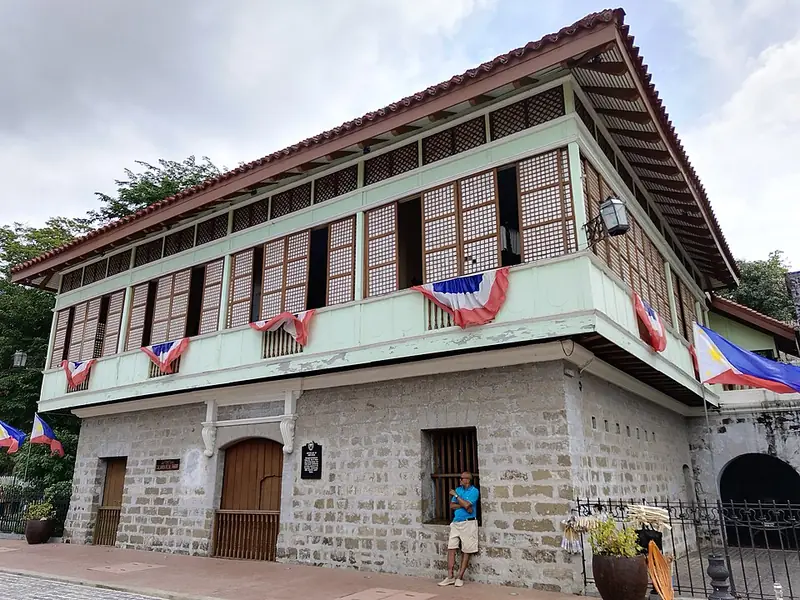
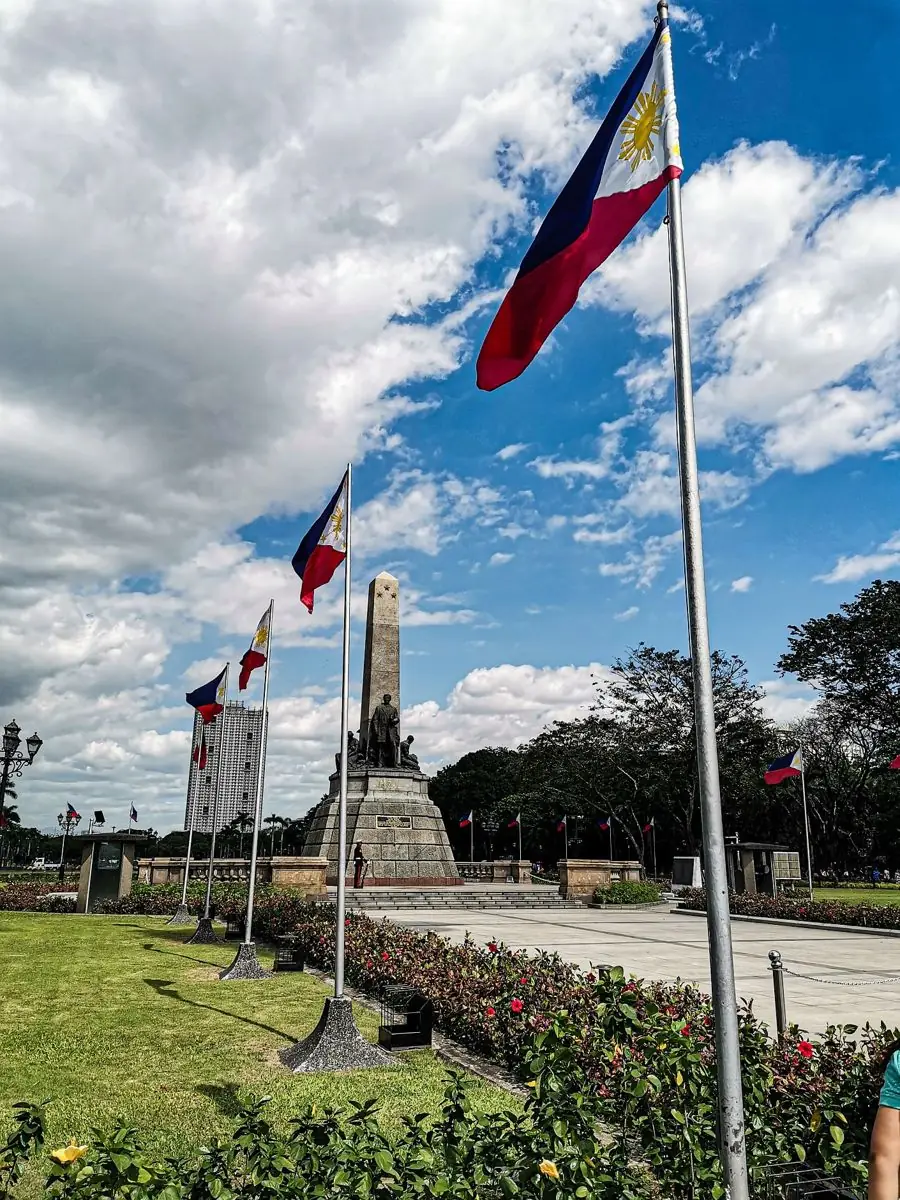
Rizal Shrine, Calamba

The reconstructed family home of Jose Rizal in Calamba, now a national museum. The house contains period furniture, personal effects, and documentation of Rizal's life. The shrine is set in a garden with a statue of Rizal. It is modest in scale — the original house was destroyed — but the site is historically significant and well-maintained.

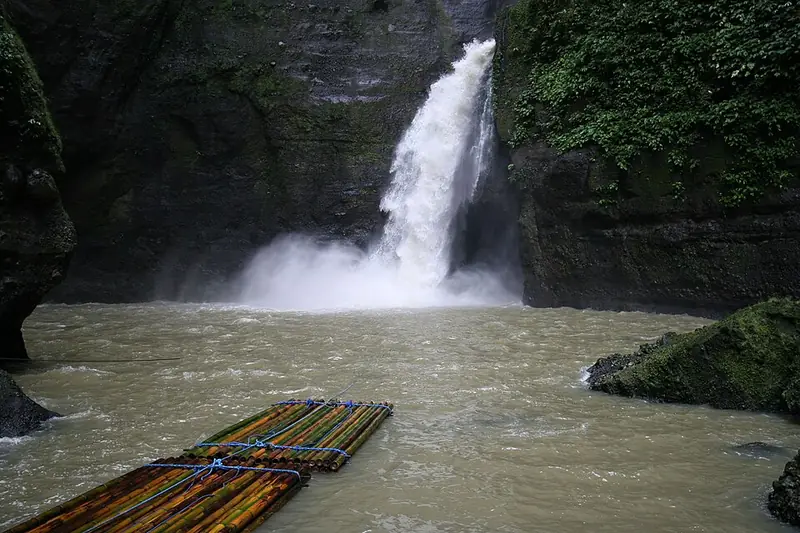
Pagsanjan Falls

A waterfall in the interior of Laguna, reached by a 30-minute banca (dugout canoe) ride upstream through a gorge. The falls drop into a pool surrounded by high rock walls. The gorge is dramatic; the experience of riding the rapids back downstream is standard tourist fare but genuinely exciting. The Pagsanjan River gorge was used as a filming location for Apocalypse Now (1979).

Los Baños Hot Springs

The municipality of Los Baños (literally 'the baths') has numerous hot spring resorts fed by geothermal activity associated with the dormant Makiling volcano. The resort development ranges from basic to upscale. The UP Los Baños campus, adjacent to the town, has forest trails through what remains of the Makiling forest.

Buko Pie Route

The highway through Calamba and Los Baños is lined with bakeshops selling buko pie. The quality varies. The Colette's Original Buko Pie in Los Baños has a long-established reputation. Buying directly from producers in early morning when pies are fresh from the oven is the best approach. Avoid pies that have been sitting in glass cases for hours.

The Laguna Copperplate Inscription was found in 1989 by a man dredging the Lumbang River near Laguna de Bay. He sold it to a dealer, who sold it to another, and it eventually reached the National Museum of the Philippines, where a Dutch anthropologist named Antoon Postma identified and translated it.

The inscription dated to 822 Saka, which corresponds to 900 CE. It was written in a script related to Old Kavi (Old Javanese) using a language that was a form of Old Malay with Sanskrit loanwords. The document recorded the pardon of a debt for a man named Namwaran, granted by a chief of Tondo named Jayadewa. It mentioned places in the Java Sea trade network and used administrative language that implied a functioning bureaucracy.

The significance of the find was substantial: it pushed back the documented history of the Philippines by six centuries. It demonstrated that the communities around Laguna de Bay in 900 CE were literate, commercially connected to the broader Malay world, and operating within a legal and administrative framework. The Spanish did not find a collection of primitive villages when they arrived in the sixteenth century. They found the remnants of something older.

The copperplate is now in the National Museum in Manila. Laguna has the lake it was found in and the knowledge that the history of the Philippines begins earlier than the history books taught for the first century of public education suggested. That is something, even if the copper itself is elsewhere.