Map

Lanao del Norte

Northern Mindanao
Mindanao
Capital Tubod
Population 1,135,469
Area 3,274 km²
Municipalities 22
Cities 1
Island Group Mindanao
Languages Cebuano, Maranao, Ilocano

Lanao del Norte wraps around the northern and western shores of Lake Lanao, the second-largest lake in the Philippines and one of the ancient lakes of the world. The province sits in Northern Mindanao, sharing the lake with Lanao del Sur to the south. Its rivers, fed by the lake, power the Maria Cristina Falls — the main source of hydroelectric energy for much of Mindanao.

TubodCapital
3,274 km²Area
22Municipalities
MindanaoIsland Group
Northern Mindanao (X)Region

Land and Water

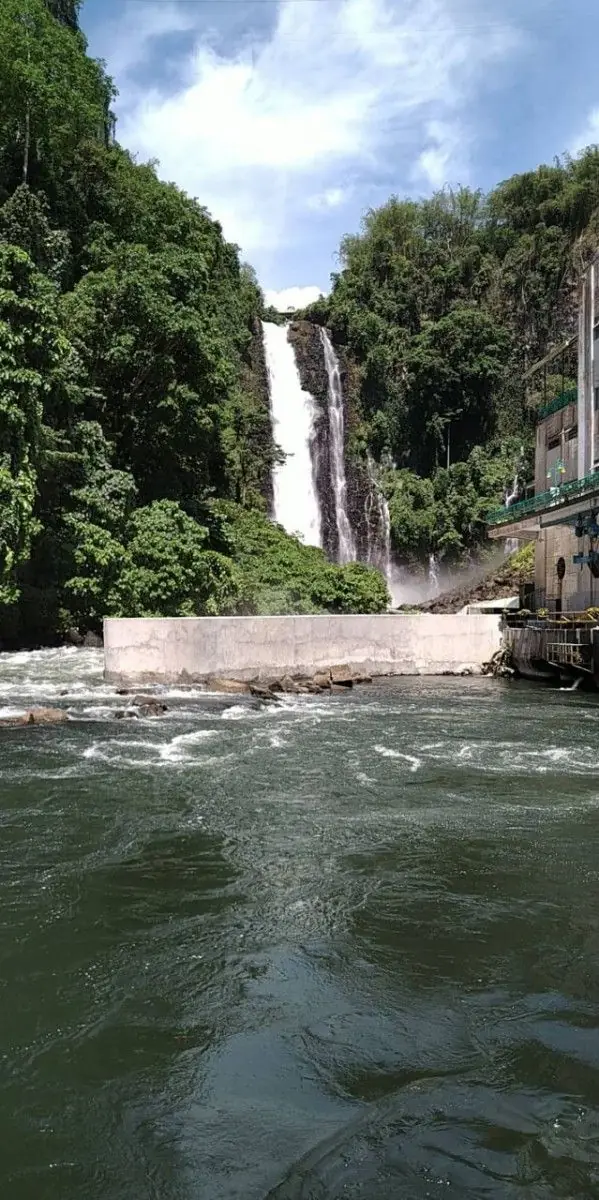
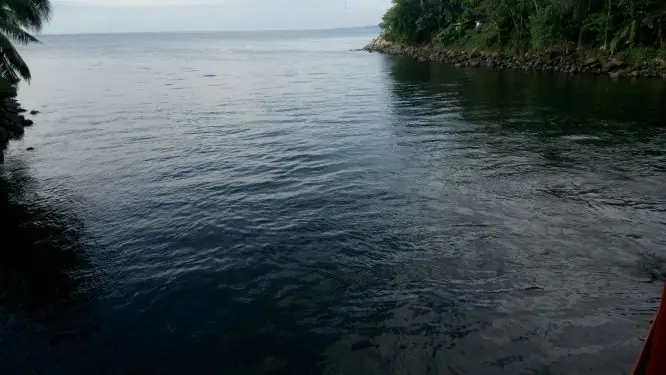
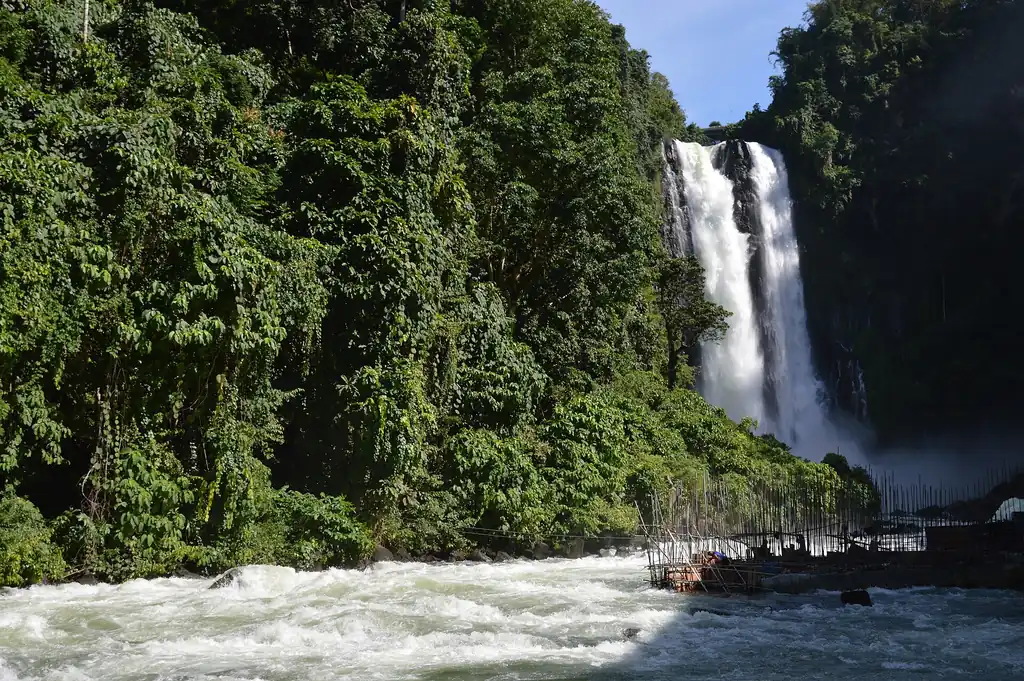
The Agus River drains Lake Lanao northward into Iligan Bay, dropping dramatically at Maria Cristina Falls before reaching the sea. This 98-meter cascade drives the National Power Corporation's hydroelectric plants and has long made Iligan City — a component city within the province — the industrial center of Mindanao. Outside the city belt, the province is hilly interior forest and farming land.

One of the World's Ancient Lakes

Lake Lanao is estimated to be between 10,000 and 12,000 years old, making it one of the ancient lakes of the world. It hosts dozens of endemic fish species found nowhere else on earth — many now critically threatened.

The population of Lanao del Norte is a mix of Maranao communities near the lake, Visayan settlers in the lowlands, and Higaonon indigenous peoples in the upland forests. This diversity shapes the province's markets, food, and local politics.

The history of Lanao del Norte is inseparable from Lake Lanao and the Maranao people who have lived along its shores for centuries. Spanish attempts to colonize the lake region repeatedly failed. The Maranaos, organized under their sultan system, resisted every expedition the Spanish sent into the interior.

1639

Spanish Expedition Repelled

Governor-General Corcuera led a military campaign into the Lake Lanao region but failed to establish lasting control. The Maranao confederation held the interior.

1892

Fort Marahui Established

The Spanish built a fort at the lake's edge, briefly establishing a presence before the revolution of 1896 redirected colonial resources.

1901

American Administration Begins

The Americans reorganized the Lake Lanao area under a special governing structure, separating it from the rest of Moro territory to manage the distinct Maranao political system.

1959

Province Divided

The original Lanao Province, created by the Americans, was split into Lanao del Norte and Lanao del Sur, with Tubod becoming the capital of the northern province.

1972

Maria Cristina Falls Harnessed

Full operation of the Agus hydroelectric complex placed Maria Cristina at the center of Mindanao's industrial power supply, fueling the steel and chemical plants of Iligan City.

During the decades of the Moro insurgency, Lanao del Norte served as a boundary zone between the Christian-majority lowlands and the Maranao heartland to the south. Peace in the region has always been negotiated at this border.

Although the majority of Lanao del Norte's population today is Christian, the province remains deeply influenced by Maranao culture through its proximity to Lake Lanao. The okir geometric design tradition — intricate flowing patterns carved into wood, woven into fabric, and painted on metal — appears throughout the lake region, including in Lanao del Norte's municipal halls and homes near the water.

Higaonon Peoples

The Higaonon are an indigenous group living in the upland forests of Lanao del Norte and neighboring provinces. They maintain distinct rituals, agricultural practices, and oral traditions. Their presence in the province's interior is one of the least documented aspects of local culture, but Higaonon communities have increasingly asserted ancestral land rights in recent decades.

Iligan: City of Waterfalls

Iligan City, though now its own independent component city, lies within Lanao del Norte. It claims 23 waterfalls within its territory, earning the nickname 'City of Majestic Waterfalls.' Maria Cristina is the most famous, but smaller falls are embedded in the forest along the Agus River corridor.

Festivals in the lowland municipalities follow the Catholic calendar. The Feast of the Black Nazarene and various town fiesta celebrations draw families together across the year. Near the lake, Muslim observances — Eid al-Fitr, Eid al-Adha — mark the calendar alongside Catholic ones, a coexistence that has defined the region for generations.

Freshwater fish from Lake Lanao is central to the cuisine of communities along the lakeshore in Lanao del Norte. Bunog (mudfish), tilapia, and various endemic species are grilled, dried, or cooked in sour broth. The Maranao influence brings in the use of gata (coconut milk) and palapa — the spiced condiment made from toasted coconut, ginger, and chili — that defines lake-region cooking.

Piaparan na Isda

A Maranao-influenced dish of fish simmered in coconut milk with palapa — a paste of native onion (sakurab), ginger, lemongrass, and bird's eye chili. The result is rich, layered, and sharp with heat. Widely cooked in communities along the Lanao lakeshore.

Sinuglaw na Bunog

Mudfish from the lake, grilled over charcoal and combined raw with vinegar, chili, onion, and ginger. A crossover between sinugba and kinilaw that reflects the Visayan and Maranao food traditions present in the province.

Palapa Condiment

Maranao / Lanao del Norte
15 minutesPrep
20 minutesCook
Makes one small jarServes
Ingredients
  • 1 cup, thinly slicedSakurab (native scallion)
  • 3 tbsp, mincedFresh ginger
  • 2 stalks, mincedLemongrass (white part only)
  • 6–10, mincedBird's eye chili
  • 1/2 cup, toastedDesiccated coconut
  • 3 tbspVegetable oil
  • to tasteSalt
Method
  1. Toast desiccated coconut in a dry pan over low heat until golden. Set aside.
  2. Heat oil in a pan over medium heat. Sauté sakurab, ginger, and lemongrass until soft and fragrant, about 8 minutes.
  3. Add chili and cook for another 2 minutes.
  4. Stir in toasted coconut. Season with salt.
  5. Cool completely before jarring. Keeps refrigerated for up to two weeks.
Cook's note

Palapa is a condiment and flavoring base. Use it to season grilled fish, stir into coconut milk dishes, or serve alongside plain rice.

Sakurab

Sakurab is a native Maranao onion essential to authentic palapa. If unavailable, substitute with a mix of green onion and leek, though the flavor profile will differ.

Cebuano is the dominant everyday language in Lanao del Norte's lowlands, a legacy of Visayan migration that accelerated during the American period and continued through the postwar decades. Ilokano has a smaller presence in some communities. Maranao is spoken in municipalities near Lake Lanao and in areas with significant Muslim populations.

Maranao Language

Maranao (also spelled Meranaw) is an Austronesian language with an Arabic-influenced writing tradition due to centuries of Islamic practice. It is the primary language of Lanao del Sur and is heard regularly in the market towns and lakeshore communities of Lanao del Norte. Maranao literature includes the Darangen — an epic poem cycle recognized by UNESCO as an Intangible Cultural Heritage of Humanity.

The Darangen Epic

The Darangen is a pre-Islamic Maranao epic that predates the arrival of Islam in the region. It was proclaimed a Masterpiece of the Oral and Intangible Heritage of Humanity by UNESCO in 2005. Despite Islamic influence on Maranao culture, the epic survived because it describes heroic, romantic, and cosmological themes that remain culturally central.

Filipino and English are taught in schools throughout the province. In practice, most residents of Lanao del Norte code-switch fluidly between Cebuano, Filipino, and English in daily life, with Maranao adding a layer of linguistic richness in areas near the lake.

Most travelers enter Lanao del Norte through Iligan City, which has road connections to Cagayan de Oro to the east and to the Zamboanga Peninsula to the west. The RoRo ferry from Cebu docks at nearby ports. From Iligan, the lake and the falls are within easy reach.

Laguindingan Airport (CDO), ~90 kmNearest Airport
~1.5 hours by roadFrom CDO
December to May (drier)Best Season
Iligan CityEntry Point

Maria Cristina Falls

A 98-meter double-drop waterfall on the Agus River, sometimes called the 'twin falls of Mindanao.' The hydroelectric plants immediately downstream mean water flow is regulated, but the view of the falls from the designated viewpoint remains dramatic. Located in Iligan City, within the Lanao del Norte area.

Lake Lanao

The second-largest lake in the Philippines at 347 square kilometers, sitting at 702 meters above sea level. The lake is considered sacred by Maranao communities. Boat crossings to lakeside mosques and the quiet surface of the water at dawn are the main draws. Access from Marawi (Lanao del Sur) or from lakeshore barangays in Lanao del Norte.

Mimbalut Falls

A lesser-visited waterfall near Iligan City, set inside a pocket of forest. Smaller than Maria Cristina but more accessible for swimming. Popular with local families on weekends.

Tinago Falls

Hidden behind a cave entrance and reached by descending more than 400 steps, Tinago — meaning 'hidden' in Cebuano — is arguably the most beautiful of Iligan's waterfalls. The pool at its base is deep and emerald-colored.

Travel Advisory

Check current advisories before traveling to areas near the Lanao del Sur boundary. The region has been stable in recent years, but local guidance is always worth seeking before venturing off main roads.

The River That Lights the Island

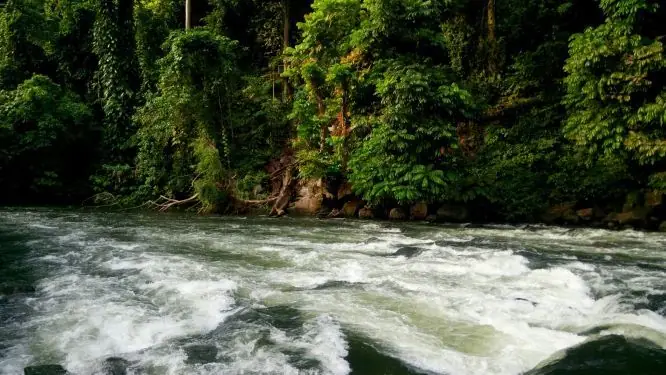
From the southern highlands of Mindanao, Lake Lanao drains through a single outlet: the Agus River. The river runs north for about 36 kilometers before reaching the sea at Iligan Bay. In that short distance it drops nearly 700 meters, crashing over Maria Cristina Falls and several smaller cascades along the way. Engineers noticed this in the early twentieth century. The Americans built the first small dam. After independence, the National Power Corporation expanded the system until the Agus complex became the backbone of Mindanao's electrical grid.

For decades, the falls powered Iligan's steel mills, fertilizer plants, and the rest of Northern Mindanao's industrial economy. Families in Cebu and Davao switched on their lights without knowing they were drawing on a lake in the mountains 700 meters above sea level. The lake fed by rain and a hundred tributary streams, the water falling through turbines, the current traveling south and east along transmission lines — this is the invisible infrastructure beneath the visible Philippines.

The story has a harder edge now. Climate change has reduced rainfall in the Lanao watershed, lowering the lake level and cutting the output of the hydroelectric plants. In dry years, Mindanao faces rotating brownouts. There are plans for new power sources — solar farms, LNG terminals — but for now the ancient lake is still doing the work of an industrial age, and the question is how much longer it can sustain the weight of that responsibility.