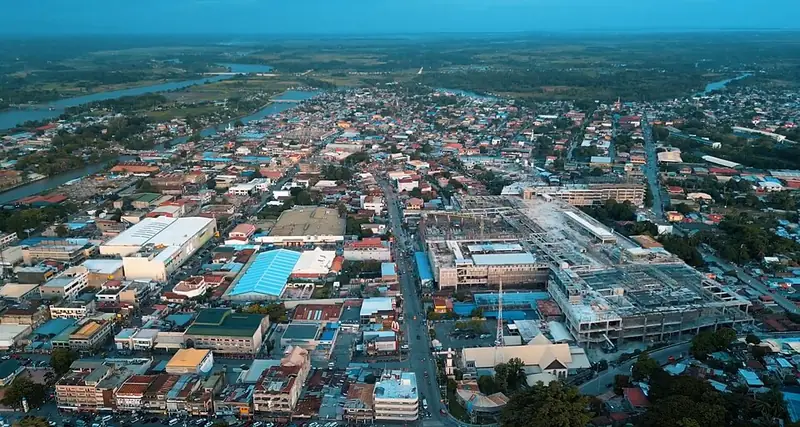
Maguindanao del Norte is one of two provinces created in 2022 when the old Maguindanao province was divided. It occupies the northern portion of the former province, with Buluan as its capital. The province is part of the Bangsamoro Autonomous Region in Muslim Mindanao (BARMM) and contains the Liguasan Marsh — one of the largest inland wetlands in Mindanao and a critical habitat for waterbirds and freshwater fish.
BuluanCapital
4,715 km²Area
22Municipalities
MindanaoIsland Group
BARMMRegion
The province borders Cotabato City — which is administered separately as an independent city within BARMM — and is connected to North Cotabato, Sultan Kudarat, and Lanao del Sur. The Mindanao River and its tributaries drain through Maguindanao del Norte, filling the Liguasan Marsh basin.
★
Liguasan MarshLiguasan Marsh covers approximately 288 square kilometers and is the largest freshwater lake-marsh ecosystem in Mindanao. It is a RAMSAR-listed wetland of international importance and home to endemic fish species, migratory waterbirds, and crocodile populations. It is also historically significant as an area of refuge for Maguindanaon communities during periods of conflict.
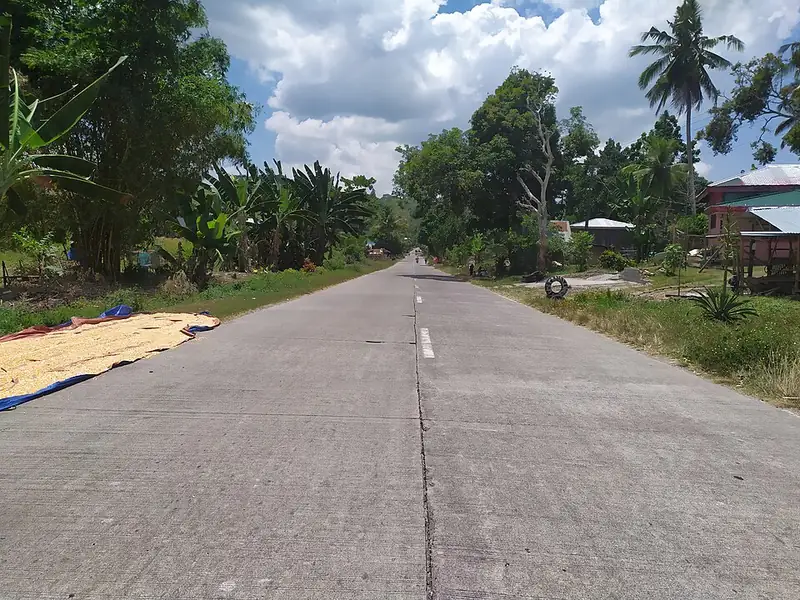
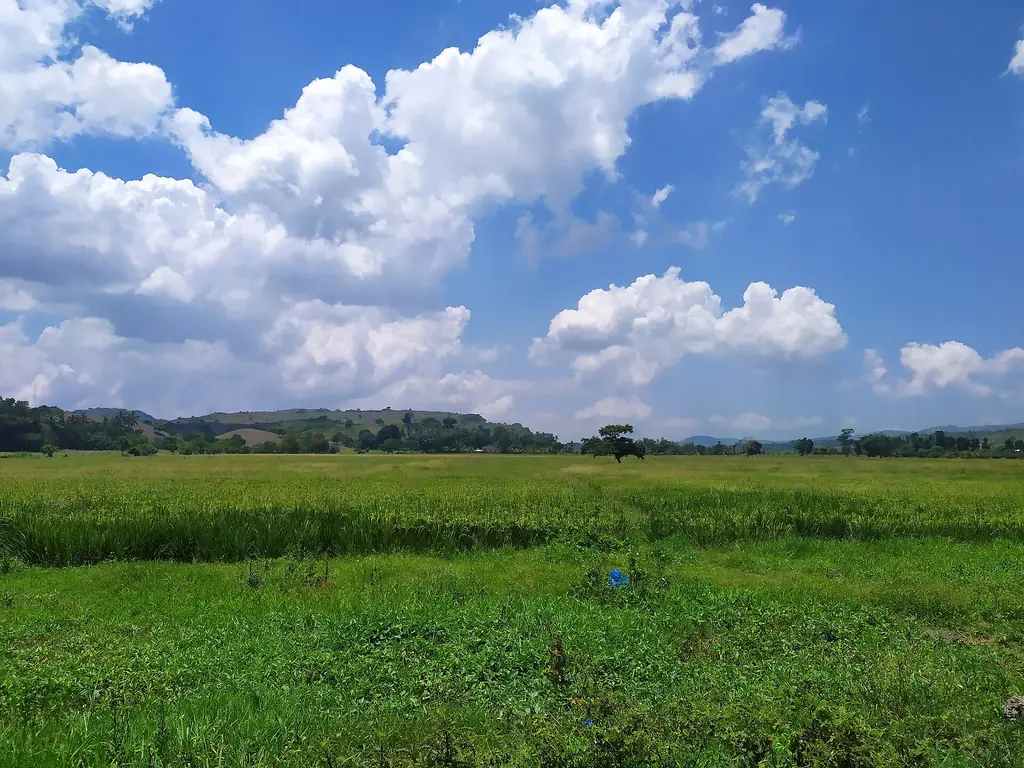
The population is predominantly Maguindanaon and Muslim. Agriculture — particularly rice cultivation along the river floodplains — is the primary economic activity. The Mindanao River system that feeds the marsh makes the lowland areas among the most productive agricultural zones in Mindanao.
The territory of Maguindanao del Norte was historically part of the Sultanate of Maguindanao, one of the most powerful Islamic polities in Southeast Asia during the 17th and 18th centuries. The sultanate controlled the Mindanao River basin and collected tribute from communities throughout the region. Spanish colonial forces repeatedly failed to conquer the Maguindanao heartland.
c. 1520sSultanate of Maguindanao Founded
Shariff Mohammed Kabungsuwan, an Islamic missionary from Johor, brings Islam to the Mindanao River basin and establishes the political and religious foundation of the Maguindanao sultanate.
1636Spanish Assault Repelled
Governor-General Hurtado de Corcuera leads a large military expedition against the Maguindanao sultanate. The campaign causes significant damage but fails to permanently subjugate the sultanate, which reconstitutes quickly.
1899–1913American Conquest of Moro Territory
The United States conducts military campaigns to subdue the Moro provinces. The Battle of Bud Dajo (1906) and Bud Bagsak (1913) in Sulu are the most infamous, but fighting occurs throughout Maguindanao as well. American administration is imposed through the Moro Province structure.
November 23, 2009Maguindanao Massacre
Fifty-eight people — including 32 journalists — are killed in Ampatuan municipality of the old Maguindanao province in what becomes known as the Maguindanao Massacre. The killings are attributed to the Ampatuan political clan. The event is the deadliest single attack on journalists in recorded history.
2022Province Divided
The old Maguindanao province is split into Maguindanao del Norte and Maguindanao del Sur, following a plebiscite. Buluan becomes the capital of the northern province.
Maguindanaon culture is organized around Islam and the sultanate system. The political influence of datus (nobles) and the sultan remains active, operating alongside the formal BARMM government. Social hierarchies based on lineage, religious learning, and political alliance shape community life in ways that formal administrative boundaries do not easily contain.
Kulintang Music
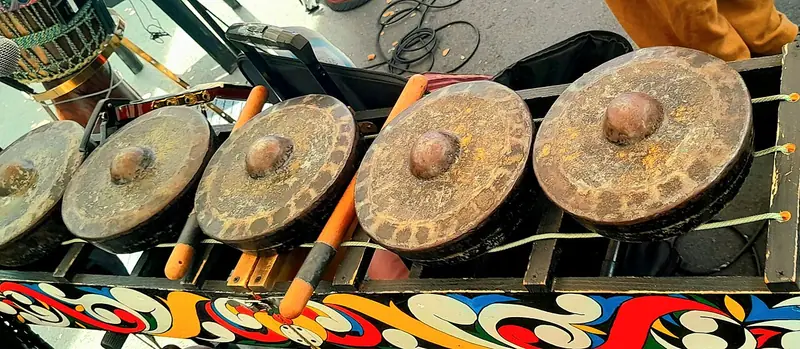
The kulintang — a row of small bronze gongs played with padded mallets — is the central instrument of Maguindanaon music. The kulintang ensemble typically includes the large agung gong, the gandingan (four large hanging gongs), the dabakan drum, and the babendil (single gong). Kulintang music is performed at weddings, ceremonies, and social gatherings. It is one of the most sophisticated indigenous musical traditions in Southeast Asia.
★
Kulintang and Southeast Asian MusicThe kulintang gong tradition is related to similar gong ensemble traditions found throughout island Southeast Asia — in Indonesia (gamelan), Malaysia, and Brunei. The Philippine kulintang may predate the arrival of Islam in Mindanao by several centuries. UNESCO has recognized the Maranao and Maguindanaon kulintang traditions as needing safeguarding.
Traditional clothing remains in active use in Maguindanao del Norte. The malong — a tubular cloth worn in multiple configurations by both men and women — is everyday wear for many residents. Fine malong are woven with geometric patterns specific to particular communities and serve as markers of identity and status.
Maguindanaon cuisine centers on rice, freshwater fish from the Mindanao River system and Liguasan Marsh, and the spice traditions associated with the Maguindanao sultanate's centuries of trade contact with Malay and Indonesian cultures. The food is halal; pork is absent entirely.
Tiula Itum (Black Soup)
A distinctive Maguindanaon dish made by charring or burning coconut meat until blackened, then using it to darken and flavor a broth of beef or chicken. The result is a deep, smoky black soup with rich savory flavor. Tiula itum is served at celebrations and is one of the signature dishes of Maguindanaon banquet culture.
Pyanggang na Manok
Chicken grilled then simmered in a sauce made from charred coconut, spices, and coconut cream. Related to tiula itum in technique, this dish has the characteristic smoky-black appearance of Maguindanaon cooking. The charred coconut base gives the dish its distinctive color and depth.
30 minutes + 1 hour marinatingPrep
20 minutesCook
4Serves
Ingredients
- 500g, cut into small cubesBeef or chicken
- 1/2 cupCoconut milk
- 1 tspTurmeric powder
- 1 tspChili powder
- 4 cloves, mincedGarlic
- 1 tbsp, mincedGinger
- 1 tspSalt
- as needed, soaked in waterBamboo skewers
Method
- Combine coconut milk, turmeric, chili powder, garlic, ginger, and salt in a bowl.
- Add meat and marinate for at least 1 hour, or overnight in refrigerator.
- Thread meat onto soaked bamboo skewers.
- Grill over charcoal, turning frequently, until cooked through and slightly charred, about 12–15 minutes.
- Serve with plain rice and a dipping sauce of vinegar with chili.
Cook's noteSatti in Mindanao is not exactly the Southeast Asian satay but evolved from the same tradition of skewered grilled meat. The turmeric-coconut marinade gives the meat a golden-yellow color and fragrant flavor.
Maguindanaon is the primary language of Maguindanao del Norte. It is an Austronesian language in the same family as Maranao and Iranun, and the three languages share significant mutual intelligibility. Maguindanaon is the native language of the Maguindanaon people, who have lived along the Mindanao River basin for centuries.
Arabic is used in religious education and the mosque. Many Maguindanaon words relating to religion, governance, and formal life are borrowed from Arabic, a result of centuries of Islamic practice. Older generations with madrassa education read Jawi (Arabic-script Malay) as well.
★
Cotabato City as a Linguistic HubCotabato City — surrounded by Maguindanao del Norte but administered separately — is a major commercial center where Maguindanaon, Cebuano, Ilocano, Tagalog, and English mix in the markets and streets. It functions as the main urban meeting point for the diverse peoples of central Mindanao.
Filipino and English are taught in public schools under the BARMM educational system, which also incorporates Maguindanaon-language instruction in early grades. The province has been a focus of mother-tongue based multilingual education reform efforts.
Maguindanao del Norte is typically accessed through Cotabato City, which has an airport with flights from Manila and Cebu. From Cotabato City, municipal roads connect to the province's towns and to the Liguasan Marsh area.
Awang Airport, Cotabato CityEntry Airport
~2 hoursFlight from Manila
Check current advisoriesTravel Note
Liguasan Marsh, river communitiesMain Draw
Liguasan Marsh
A vast freshwater wetland at the confluence of the Mindanao, Pulangi, and Cotabato rivers. The marsh is home to endemic fish, migratory birds, and one of the remaining wild populations of Philippine crocodile. Boat tours through the marsh channels provide a view of a landscape almost unchanged from what it was centuries ago. Travel here requires a local guide and current security checks.
Buluan Lake
A large lake near the capital municipality of Buluan. The lake supports local fishing communities and is connected to the broader Liguasan Marsh basin. The shoreline communities maintain traditional fishing practices using bamboo fish traps and nets.
Cotabato City (gateway)
Though not in the province, Cotabato City is the practical base for exploring Maguindanao del Norte. The city has the Grand Mosque of Cotabato (the largest in the Philippines), markets selling Maguindanaon brasswork and woven goods, and accommodation options.
◆
Travel AdvisoryBARMM provinces including Maguindanao del Norte are subject to ongoing travel advisories due to the historical presence of armed groups in some areas. The security situation has improved substantially under the BARMM framework but varies by specific municipality. Always check current official advisories and travel with local guidance.
The Marsh and the Memory
When conflict came to the Maguindanao lowlands — and it came in the 1970s, the 1990s, the 2000s — the Liguasan Marsh was where people went. Families loaded their belongings into bancas and pushed out into the reeds, into the labyrinthine channels where outsiders could not easily follow. The marsh had been a refuge before written memory began. It was a refuge again.
Fishermen who grew up on the marsh can navigate it without landmarks, reading the current, the smell of the water, the direction of bird flight. The marsh does not look the same from two visits. Channels shift with the flood season. Islands of floating vegetation move. The ecosystem is alive in a way that makes fixed maps useless.
The same quality that made the marsh a refuge — its shifting, trackless, living geography — makes it difficult to protect. Farmers drain its edges for rice paddies. Dynamite fishing depletes its stocks. The endemic species documented by biologists in the 1980s have contracted in range since. What the marsh holds in its dark water — the crocodiles, the herons, the endemic labahita fish — is diminishing. The people who know it best are the ones who may not be able to stop what is happening to it.