Map

Masbate

Bicol Region
Visayas
Capital Masbate City
Population 893,672
Area 4,047 km²
Municipalities 20
Cities 1
Island Group Visayas
Languages Masbateño, Bikol

Masbate is an island province in the Bicol Region, situated in the Sibuyan Sea between Luzon, Visayas, and the Bicol mainland. It is the cattle country of the Philippines — the island's rolling grasslands support the largest cattle population of any island province, and the ranching tradition has shaped its culture, economy, and annual calendar. The Rodeo Masbateño, held each April, is the only genuine cowboy rodeo in the archipelago.

Masbate CityCapital
4,047 km²Area
20Municipalities
VisayasIsland Group
Bicol (V)Region

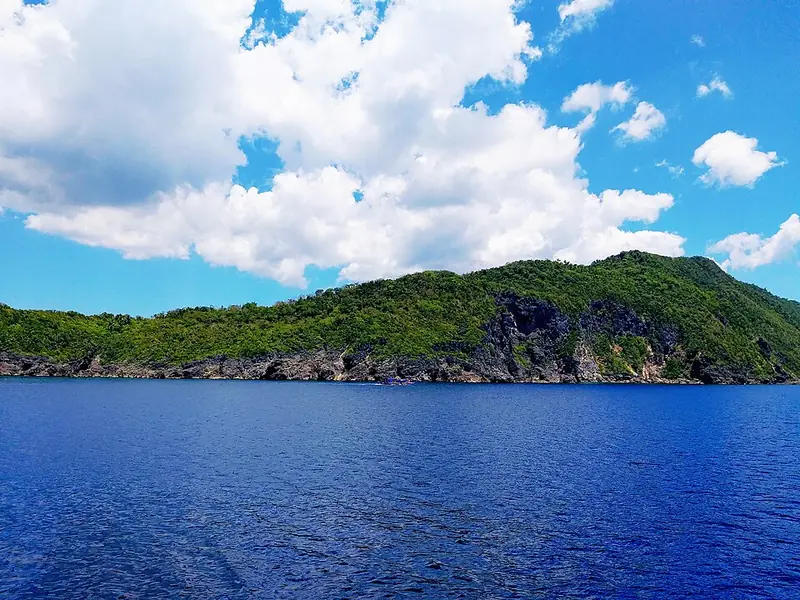
The province consists of three main islands: Masbate, Ticao, and Burias. The main island of Masbate is the largest, with Masbate City on its southern coast. The interior is characterized by savanna-like grasslands — unusual in a Philippine island context — that developed through a combination of geology, human land use, and centuries of cattle ranching.

Cattle Capital of the Philippines

Masbate produces more cattle than any other single island in the Philippines. The island's grasslands and relatively dry climate create natural pasture conditions. Cattle from Masbate are shipped live to Cebu, Manila, and other markets throughout the Visayas and Luzon.

The waters surrounding Masbate are rich fishing grounds, and the province is also an important gold-mining area. The combination of ranching, fishing, and mining makes Masbate economically diverse compared to most island provinces of similar size.

Masbate was inhabited by Visayan-speaking peoples before Spanish contact. Its central position between Luzon and the Visayas made it a natural stopping point for inter-island traders. Spanish missionaries established themselves on the island in the late 16th century, and Masbate was administered under various jurisdictions before becoming its own province.

1569

Spanish Missionaries Arrive

Augustinian missionaries establish the first Catholic presence on Masbate, building missions on the island's coastal communities.

1860

Masbate Made a Province

The Spanish colonial government formally constitutes Masbate as a separate province, incorporating the islands of Masbate, Ticao, and Burias.

Early 1900s

Cattle Ranching Expands Under Americans

The American colonial period sees significant expansion of cattle ranching on Masbate. American ranching methods and improved livestock breeds are introduced. Large haciendas consolidate land for grazing.

2004

Masbate Massacre

In February 2004, congressional candidate Abelardo Abenes and ten companions are killed in a political ambush in Masbate City. The province gains national attention as a site of election-related violence.

Annual (April)

Rodeo Masbateño Established

The Rodeo Masbateño, held annually in Masbate City each April, showcases cattle ranching skills including lassoing, bull riding, and cattle herding competitions. It is the only rodeo of its kind in the Philippines and draws spectators from across the country.

The Masbateño identity is built around the ranching life. Cowboys — called vaqueros in the Spanish tradition — are local figures of prestige and skill. Horsemanship, cattle handling, and the practical skills of ranch work carry social status. This culture distinguishes Masbate sharply from every other island province in the Philippines.

The Rodeo

The Rodeo Masbateño is held every April, timed to the province's founding anniversary. Events include bull riding, steer wrestling, calf roping, and cattle cutting — all genuine ranching skills tested in a competitive format. The rodeo draws cowboys from Masbate's ranches and increasingly attracts participants from other cattle-raising areas of the Philippines. Alongside the competitions, there are parades, beauty pageants, and a trade fair.

The Spanish Ranching Legacy

The cattle-ranching culture of Masbate has direct roots in the Spanish colonial period, when large estates (haciendas) were granted to prominent families. The Spanish vaquero (cowboy) tradition came to Masbate through the Philippines' colonial connection, and some of the ranch families have maintained their land for generations.

Beyond the rodeo, Masbate's culture is Bisayan in its everyday character. The Masbateño language links the island culturally to the Visayas rather than the Bicol mainland to which it is administratively attached. Catholic devotion is strong, and the island's patron saints' feasts are celebrated throughout the municipality calendar.

Beef is the distinguishing feature of Masbate's food culture. In a Filipino context where beef is expensive and relatively rare in everyday cooking, Masbate's ranching economy puts it on the table more regularly. Grilled beef, beef soups, and dried beef preparations appear in the province's markets and homes.

Beef Tapa Masbateño

Thin-sliced beef marinated in garlic, vinegar, salt, and sugar, then sun-dried before pan-frying or grilling. Masbate's version uses more garlic and less sugar than the Manila tapsilog version, giving it a stronger, saltier profile. Served with rice and fried egg.

Inunan (Dried Beef)

Salted and sun-dried beef strips — the Masbateño equivalent of jerky. Prepared during the dry season and stored for weeks. Grilled over charcoal or fried in lard, eaten with rice or as a drinking snack.

Nilaga na Baka (Masbate Beef Boil)

Masbate
15 minutesPrep
1.5–2 hoursCook
6Serves
Ingredients
  • 1 kg, cut into large piecesBeef brisket or short ribs
  • 1 tspWhole peppercorns
  • 1 large, quarteredOnion
  • 1-inch pieceGinger
  • 2 tbspFish sauce
  • 3 medium, halvedPotato
  • 1/4 head, cut into wedgesCabbage
  • 200gPechay (bok choy)
  • 2, cut into thirdsCorn on the cob
  • 8 cupsWater
Method
  1. Place beef in a large pot. Add water, onion, ginger, and peppercorns. Bring to a boil.
  2. Skim scum from the surface. Reduce heat, cover, and simmer for 1.5 hours until beef is tender.
  3. Season with fish sauce.
  4. Add potato and corn. Cook 10 minutes.
  5. Add cabbage and pechay. Cook 3–5 more minutes until vegetables are just tender.
  6. Serve hot with plain rice and a dipping sauce of fish sauce with calamansi.
Cook's note

Use beef on the bone for the richest broth. The long simmering time is non-negotiable — the collagen from the bones and connective tissue thickens the stock naturally. Do not shortcut with pressure cooker if you want proper flavor development.

Masbateño (also called Minasbate) is the primary language of the province. It is a Visayan language in the Bisayan branch of Austronesian, related to but distinct from Cebuano, Waray, and Hiligaynon. Its closest relative is Romblomanon, spoken in the neighboring Romblon province.

Masbateño's position at the administrative boundary of Bicol Region means the island's language aligns with the Visayas culturally rather than with the Bikol language spoken on the nearby mainland. This creates a slight administrative-cultural mismatch that has been noted in discussions of regional governance.

Masbateño as a Visayan Language

Despite belonging to the Bicol Region administratively, Masbate's primary language is Visayan, not Bikol. This reflects the island's historical trade and cultural ties to the Visayan islands rather than to the Bicol Peninsula. Residents who move to Masbate City from Cebu or the Eastern Visayas generally find the local language more accessible than those from Naga or Legazpi.

Filipino and English serve as common languages for education, government, and communication with the mainland. Tagalog-influenced Filipino is understood by most younger residents through schooling and national media.

Masbate City is served by a domestic airport with flights from Manila and Cebu. RoRo ferries connect the province to Cebu, Lucena, Pilar (Sorsogon), and other ports. The ferry connections make multi-island itineraries practical — Masbate can be combined with a Visayas circuit or a Bicol trip.

Masbate Airport (MBT)Airport
~1 hourFlight from Manila
April (founding anniversary)Rodeo Festival
November to MayBest Season

Rodeo Grounds, Masbate City

The Rodeo Masbateño arena, set up each April for the province's signature annual event. The week-long celebration includes actual rodeo competitions — bull riding, steer wrestling, lassoing — plus parades, concerts, and provincial fairs. The only rodeo event in the Philippines.

Ticao Island

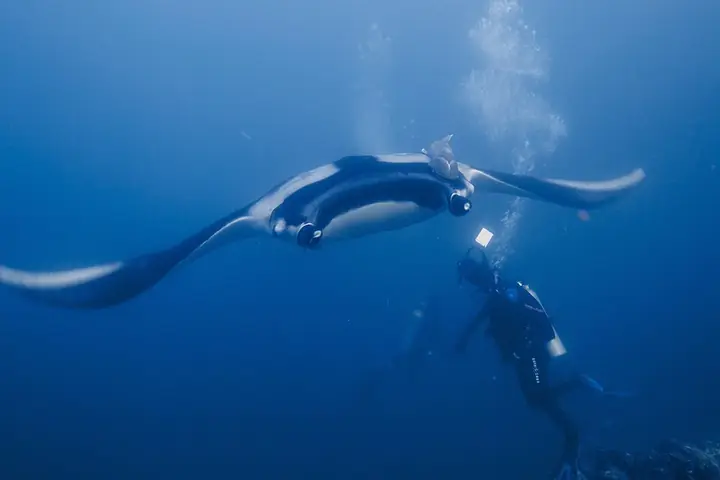
The smaller western island of the province. Ticao is one of the key sites for whale shark (butanding) watching in the Philippines, particularly around the waters between Ticao and Burias. The sharks congregate here from November to June. Dive operations in the area are small-scale and less crowded than in Donsol.

Burias Island

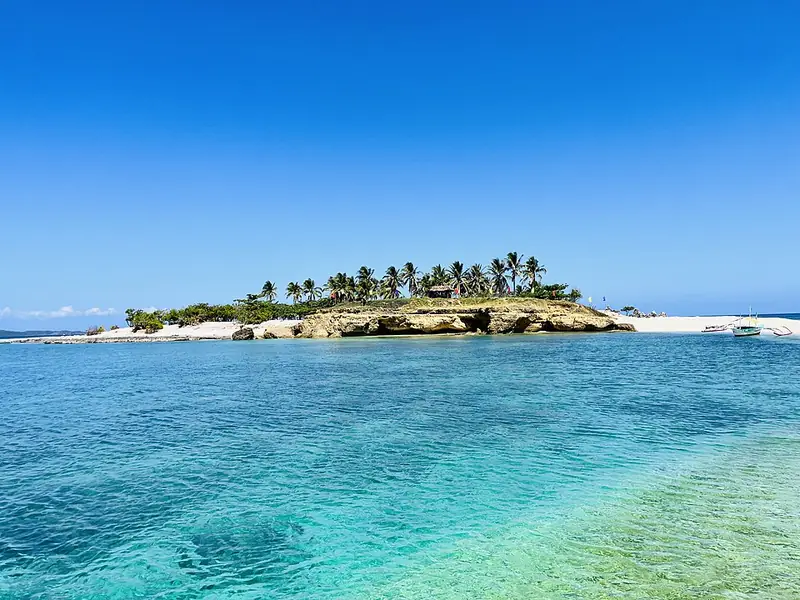
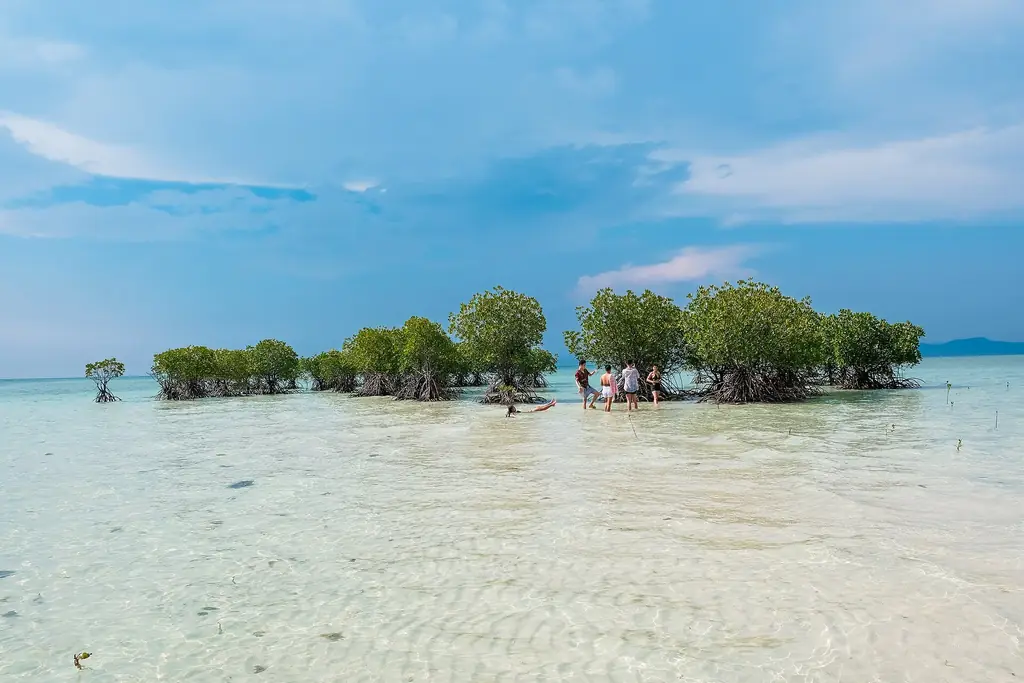
The northernmost island of the province, positioned between Masbate and the Bondoc Peninsula. White sand beaches and relatively undeveloped coastline. The island has small fishing communities and is rarely visited by tourists, making it one of the quieter spots in the MIMAROPA-Bicol transition zone.

Hacienda Ranch Country (Interior Masbate)

The rolling grasslands of Masbate's interior, where cattle ranches have operated for generations. Visitors can sometimes arrange visits to working ranches through local contacts. The landscape — sweeping golden grass, cattle grazing, the occasional horseman on a ridge — is unlike anything else in the Philippine island context.

The Only Rodeo

Every April in Masbate City, a man climbs onto the back of a bull. The bull is 600 kilograms of confused and angry animal. The man holds a rope in one hand and his other hand in the air and tries to stay on for eight seconds. Usually he does not.

This is not metaphor. It is the Rodeo Masbateño, and it happens because Masbate has cattle and the people who raise cattle developed, over generations, the skills to work them: roping, cutting, riding. The Spanish vaquero tradition arrived with the hacienda system and stayed. The American period reinforced it with better breeds and fencing techniques. Somewhere in between, the competitive instinct turned practical skill into sport.

The cowboys of Masbate do not perform for tourists. They compete for prize money and local reputation in events that test what they actually do for a living. A roper who can drop a calf in five seconds has that skill because he uses it on a working ranch. The audience at the rodeo understands what they are watching because many of them do the same work. That is what makes it real. There are rodeos elsewhere in Asia staged for spectacle. There is only one in the Philippines that is also a trade.