Misamis Occidental is a coastal province in Northern Mindanao, facing Panguil Bay to the south and the Bohol Sea to the north. It sits at the base of the Zamboanga Peninsula, making it the gateway between the Northern Mindanao heartland and the long finger of land that extends to Zamboanga City. Oroquieta City is the provincial capital. The province is largely agricultural, with coconut and corn as the main crops.
Oroquieta CityCapital
2,055 km²Area
14Municipalities
MindanaoIsland Group
Northern Mindanao (X)Region
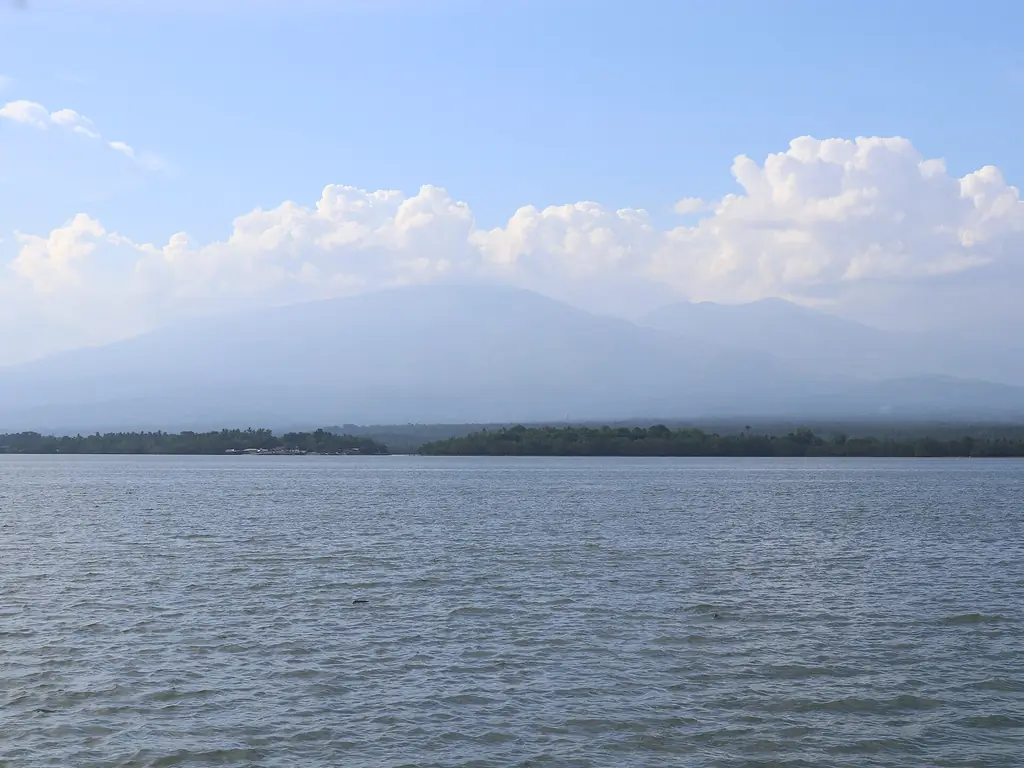
Panguil Bay is the defining geographic feature of the province's southern coast — a deeply indented bay shared with Lanao del Norte across the water. The bay has historically been important for inter-island fishing and coastal trade. The Panguil Bay Bridge, currently under construction, will eventually link Misamis Occidental directly across the bay to Lanao del Norte.
★
Panguil Bay BridgeThe Panguil Bay Bridge project aims to build a bridge across Panguil Bay, connecting Tangub City in Misamis Occidental to Tubod in Lanao del Norte. When completed, it will cut travel time between the two provinces dramatically and improve connectivity across the bay corridor.
The province has a mixed cultural makeup reflecting its position at the crossroads of Northern Mindanao. Cebuano is the dominant language of the lowland majority, while indigenous Subanen communities live in the upland areas. A Muslim minority is present in several municipalities.
The area now known as Misamis Occidental was historically inhabited by Subanen indigenous peoples in the interior and coastal communities engaged in trade with Visayan migrants and Maranao traders from the south. The Spanish organized the region under the Misamis Province, which was later divided into its current form.
1783Misamis Province Established
The Spanish colonial government creates Misamis Province, covering the territory that would later become both Misamis Occidental and Misamis Oriental.
1850sOroquieta Grows as Trade Center
Oroquieta develops as the main commercial and administrative town of western Misamis, its bay location making it a natural trading center for the region.
1914Province Divided
Misamis Province is formally divided into Misamis Occidental and Misamis Oriental, reflecting the geographic and administrative realities of the two coastal areas.
1948Oroquieta Chartered as a City
Oroquieta becomes a chartered city, formalizing its role as the provincial capital and administrative center of Misamis Occidental.
During the Moro insurgency of the 1970s and beyond, Misamis Occidental's position at the Zamboanga Peninsula gateway meant it served as a transit zone between conflict areas to the south and the relative stability of the Northern Mindanao heartland. The province itself remained largely peaceful during most of this period.
Misamis Occidental's culture is predominantly lowland Cebuano Catholic, shaped by centuries of Visayan migration and the Catholic mission tradition. Fiesta culture centers on patron saints' feasts with processions, street fairs, and family gatherings. The annual Tigum-Subanen Cultural Festival celebrates the indigenous Subanen heritage of the upland communities.
The Subanen
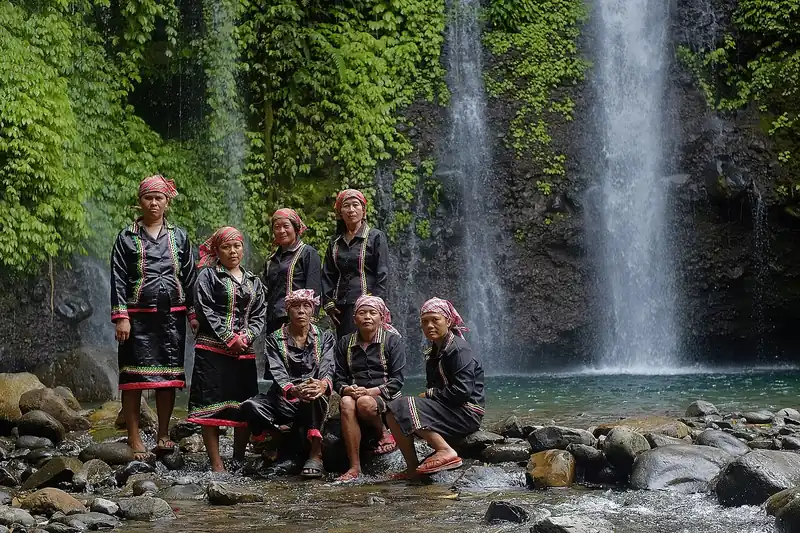
The Subanen (also spelled Subanon or Subano) are one of the largest indigenous groups in Mindanao. Their name means 'river people,' reflecting their traditional settlements along riverbanks in the interior. Subanen communities in Misamis Occidental maintain distinct ritual practices, agricultural traditions, and a social system centered on the timuay (community leader). They have faced land pressure from agricultural expansion for decades.
★
Misamis Occidental MuseumThe Misamis Occidental Integrated Provincial Health Office compound in Oroquieta City houses a provincial museum with collections related to local history, Subanen ethnographic material, and artifacts from the colonial period. It is one of the few provincial museums in Northern Mindanao actively documenting local indigenous heritage.
Tangub City, the largest city in the province, is known for its sardines processing industry. The waters of Panguil Bay and the Bohol Sea support significant fish stocks, and Tangub has developed a small-scale canning and processing sector that distributes throughout Northern Mindanao.
The food of Misamis Occidental is Cebuano lowland cooking with the abundant fresh fish of Panguil Bay and the Bohol Sea. Grilled fish, kinilaw, fish soups, and rice are the daily fare. Coconut — the province's main agricultural product — appears in cooking as gata (coconut milk) and as a source of cooking oil.
Kinilaw na Isda
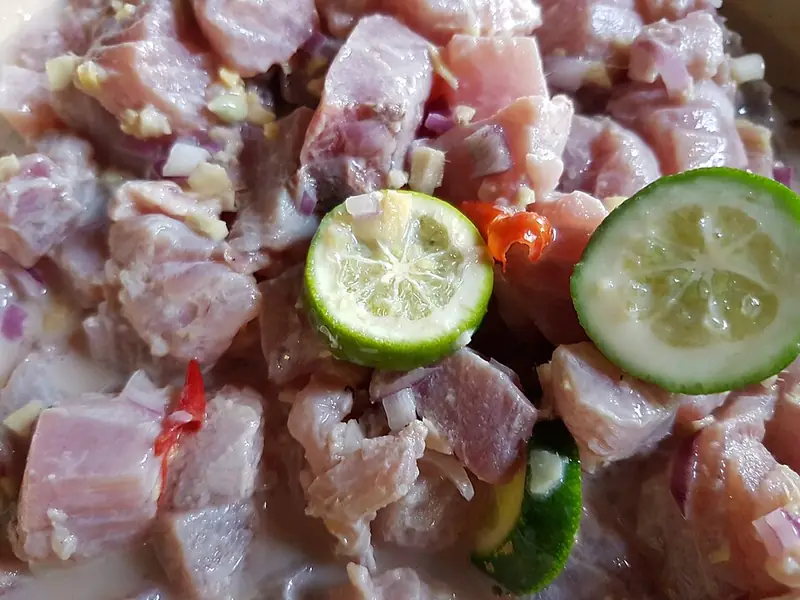
Raw fish cured in cane vinegar and mixed with ginger, onion, chili, and sometimes coconut cream. The freshest catch from Panguil Bay — yellowfin tuna, tanigue (mackerel), or local white fish — is used. The acid in the vinegar denatures the surface proteins without heat.
Inihaw na Pusit
Whole squid grilled over charcoal, stuffed with its own tentacles and a mixture of tomato, onion, and garlic. Dipped in vinegar with chili. A staple street food throughout coastal Mindanao.
10 minutesPrep
20 minutesCook
4Serves
Ingredients
- 1 kg, cleanedWhole fish (any firm white fish)
- 3 medium, quarteredTomato
- 1 medium, slicedOnion
- 1-inch piece, sliced thinGinger
- 3 tbsp tamarind paste or 6 pieces kamiasTamarind (or kamias for souring)
- 2 tbspFish sauce
- 4 cupsWater
- 2 wholeLong green chili
- 1 cup, loosely packedPechay or kangkong
Method
- Bring water to a boil. Add tomato, onion, and ginger.
- Add tamarind paste or kamias. Simmer 5 minutes.
- Add whole fish and long green chili. Season with fish sauce.
- Cook 10–12 minutes until fish is cooked through.
- Add greens in the last 2 minutes.
- Serve hot. The broth should be sour, salty, and clear.
Cook's noteUse the freshest fish you can get — this soup is transparent about quality. Kamias (bilimbi) gives a sharper, more fragrant sourness than tamarind. If both are available, use kamias.
Cebuano is the dominant language of Misamis Occidental's lowland population, brought by Visayan migrants from Cebu, Bohol, and the Eastern Visayas over several centuries of settlement. It is the language of the market, the street, and most everyday interaction in urban and coastal communities.
Subanen languages are spoken by indigenous communities in the province's interior municipalities. Subanen belongs to the Philippine language family but is not closely related to Cebuano, and the two communities communicate through Filipino or through Cebuano, which Subanen people often learn as a second language.
★
Subanen Language FamilyThe Subanen languages form their own branch of the Philippine language family, distinct from both the Visayan and Maguindanaon branches. Several varieties of Subanen are spoken across the Zamboanga Peninsula and the western parts of Northern Mindanao, and linguists classify some of these as separate languages rather than dialects.
Filipino and English are used in schools and government offices. Oroquieta City, as a regional center, also has a Spanish-language heritage visible in family names and some church records from the colonial period.
Misamis Occidental is accessible by road from Cagayan de Oro City, about 2.5 to 3 hours west along the national highway. It can also be reached by RoRo ferry from Cebu to Ozamiz City (which is adjacent to the province) or to Oroquieta City directly.
Laguindingan (CDO), ~100 km eastNearest Airport
~2.5–3 hours by roadFrom CDO
Cebu–Ozamiz or Cebu–OroquietaFerry Option
Panguil Bay, Subanen culture, coastal seafoodMain Draw
Panguil Bay
The large bay forming the southern boundary of the province. The bay is important for fishing and marine transport, and the proposed Panguil Bay Bridge will eventually span it. Sunset views from the Oroquieta City shoreline across the bay toward the mountains of Lanao del Norte are a reliable scenic reward.
Oroquieta City
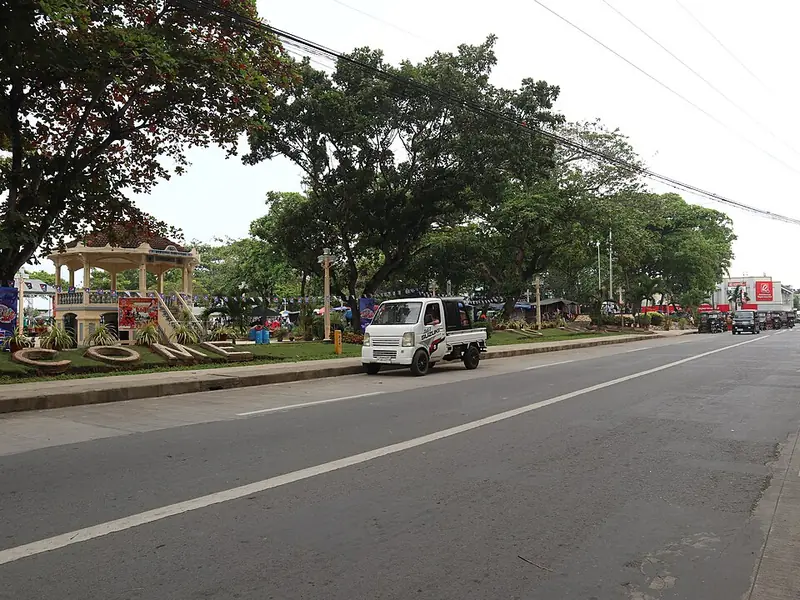
The provincial capital, a compact city with a laid-back character compared to the larger Northern Mindanao hubs. The Misamis Occidental Museum is here. The waterfront area along Panguil Bay has a small promenade. The city is a practical base for exploring the province.
Sapang Dalaga
A municipality in the interior of the province, known for its agricultural landscape and proximity to Subanen communities in the hills. A quiet stop on road journeys through the province's interior.
✦
Sardine CountryTangub City, on the eastern edge of the province, is known for sardine processing. The local sardine products — canned, dried, smoked — are sold in markets throughout Northern Mindanao. The Tangub fish market in the early morning is a worthwhile stop for visitors interested in local food production.
Crossing the Bay
Panguil Bay is not large by ocean standards, but it is wide enough that a crossing requires a boat and takes long enough to make you feel the distance. For most of the province's history, the bay has been the practical boundary between Misamis Occidental and Lanao del Norte — two provinces that look at each other across the water but belong to different worlds.
The fishermen of the Misamis Occidental shore have worked the bay for generations. They know its currents, the areas where the fish run deepest, the weather that comes in off the surrounding mountains. The bay is productive — the convergence of fresh river water from the surrounding highlands and the salt water of the Bohol Sea creates the kind of nutrient mixing that supports fish stocks. When the catch is good, the Oroquieta market fills before dawn.
The bridge will change things. Engineers say it will cut the trip from Oroquieta to Tubod from two hours by road to twenty minutes. Land values around both bridgeheads are already moving. What happens to the fishermen and the small pump boats that have been the only crossing for centuries — that part of the plan is less clearly described. Progress in the Philippines has a long tradition of not consulting the people who live where it arrives.