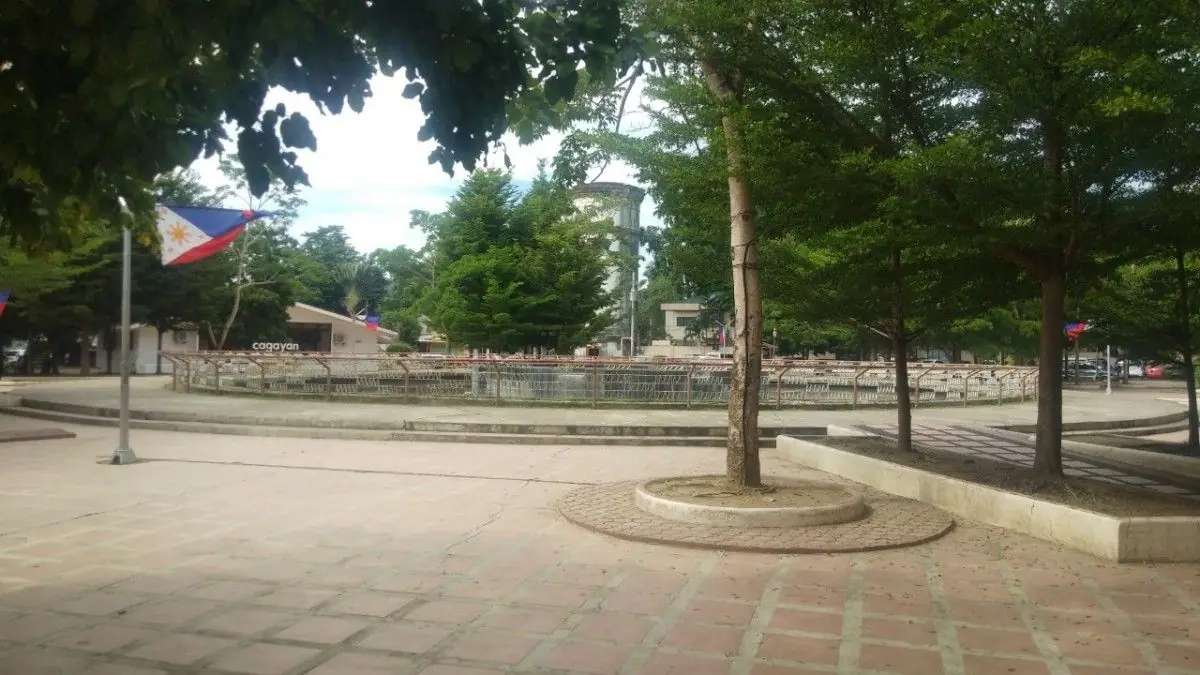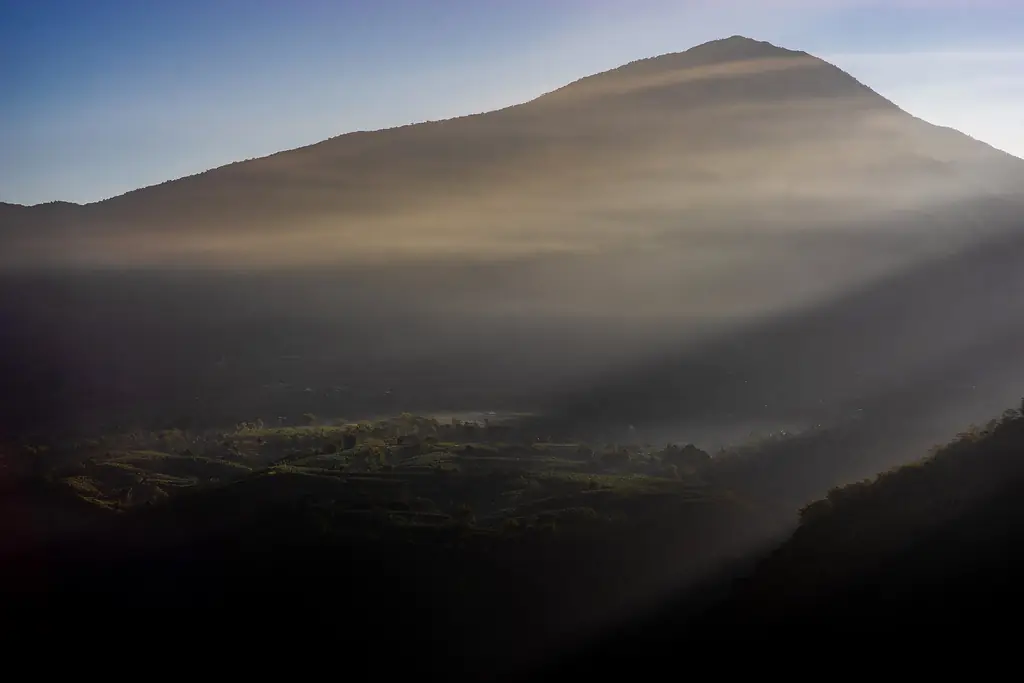
Misamis Oriental is a province in Northern Mindanao, notable as the location of Cagayan de Oro City — the commercial hub and regional center of Northern Mindanao and a major urban center in Mindanao overall. Despite CDO's prominence, the city is an independent component city and the province itself is administered separately. The province wraps around CDO, extending eastward along the Macajalar Bay coast and inland into the mountains bordering Bukidnon.
Cagayan de Oro CityCapital
2,055 km²Area
24Municipalities
MindanaoIsland Group
Northern Mindanao (X)Region
The Cagayan de Oro River flows through the provincial landscape and the city before emptying into Macajalar Bay. This river — known locally as the CDO River — is the source of the province's most recognized tourism activity: white water rafting. The river's upper course through the mountains and foothills provides rapids ranging from Class II to Class IV, accessible within day-trip distance of the city.
★
Adventure Capital of the SouthCagayan de Oro has built a reputation as the 'adventure capital of Mindanao' on the strength of its white water rafting industry. The CDO River rafting scene developed in the 1990s and is now one of the most accessible adventure tourism activities in the Philippines, drawing visitors from across the country and abroad.
Beyond the city and the river, Misamis Oriental is an agricultural province. Its inland municipalities produce corn, rice, pineapple, and rubber. The Del Monte Philippines plantation at Bukidnon's border zone has shaped the agricultural economy of the region since the American period.
The Cagayan de Oro River valley was inhabited by Higaonon indigenous peoples before Spanish contact. Tagoloan, Opol, and the river mouth settlements were established as mission towns in the early Spanish period. The area grew in importance as the Spanish used the river as a route into the interior of Mindanao.
1622Jesuit Mission Established
Jesuit missionaries establish a mission at the mouth of the Cagayan de Oro River, the beginning of permanent European settlement in the area.
1783Misamis Province Created
The Spanish colonial government formally constitutes Misamis Province, covering the territory of present-day Misamis Occidental and Misamis Oriental.
1914Province Divided
Misamis Province is divided into Misamis Occidental and Misamis Oriental, with Cagayan de Oro as the capital of the eastern province.
1950Del Monte Pineapple Plantations Established
The Del Monte Corporation establishes large-scale pineapple plantations in the Bukidnon plateau accessible from CDO. The operation transforms the agricultural economy of the region and drives significant in-migration of labor.
December 16–17, 2011Typhoon Sendong (Washi) Strikes
Tropical storm Sendong triggers massive flash floods on the Cagayan de Oro and Iligan Rivers, killing over 1,200 people in CDO and Iligan City. The storm is one of the deadliest natural disasters in recent Philippine history and reveals the danger of informal settlements in river floodplains.
Cagayan de Oro is one of the most cosmopolitan cities in Mindanao — a melting pot of Visayan settlers, Maranao traders, Higaonon indigenous peoples, and more recent migrants from across the country. The city's university population (it has several large universities including Xavier University) gives it a distinctly youthful, educated character.
Higaonon People
The Higaonon are the indigenous inhabitants of the upland areas of Misamis Oriental and several neighboring provinces. Their name means 'people of the forest' in their own language. Higaonon communities maintain traditional rituals, agricultural practices centered on kaingin (swidden) farming, and a social system led by the datu. Community rituals called tigbak address healing, planting, and social conflicts. Their ancestral land rights in the hills above CDO have been a subject of ongoing legal contests.
★
CDO as a University CityCagayan de Oro hosts Xavier University, the Mindanao State University-Iligan Institute of Technology, and several other higher education institutions. The city's large student population has shaped its restaurant scene, entertainment industry, and social culture. The city is routinely included in lists of the most livable cities in Mindanao.
The Kagay-an Festival, held each August 28, celebrates the city's founding anniversary with street parties, cultural presentations, and a river float parade on the CDO River. The festival has grown into one of the larger city festivals in Northern Mindanao.
Cagayan de Oro's food scene reflects the city's diversity and its function as a regional commercial hub. The market serves as the food distribution center for much of Northern Mindanao. Cebuano cooking is the baseline, but Maranao, Higaonon, and Manila-influenced dishes appear throughout the city's restaurants and street food stalls.
Sinuglaw CDO Style
The CDO version of sinuglaw combines grilled pork belly (lechon kawali or inihaw na baboy) with kinilaw na isda (raw fish cured in vinegar). The contrasting textures and temperatures — hot and crispy pork against cold and acid-bright fish — make it a popular bar food and shared starter throughout Northern Mindanao.
Pork Adobo sa Gata
Standard Philippine adobo — pork simmered in vinegar, soy sauce, and garlic — finished with coconut cream in the Mindanao style. The coconut milk is added at the end and the adobo is not dried off as in the Manila version, resulting in a richer, slightly sweet sauce.
20 minutesPrep
0 minutesCook
4–6 (as appetizer)Serves
Ingredients
- 500g, skin removed, diced into 1cm cubesTanigue (Spanish mackerel) fillet
- 1/2 cupWhite cane vinegar
- 2 tbspCalamansi juice
- 2 tbsp, finely mincedGinger
- 1 medium, finely dicedRed onion
- 3–5, sliced thinBird's eye chili
- 4 tbspCoconut cream
- 1/2 tspSalt
Method
- Place fish in a bowl. Pour vinegar over and mix. Let rest 5 minutes — the fish should turn opaque on the surface.
- Drain vinegar completely.
- Add calamansi juice, ginger, red onion, and chili. Mix gently.
- Add coconut cream and fold through.
- Season with salt. Taste — adjust vinegar, salt, or chili as needed.
- Serve immediately, chilled if possible, with taro chips or plain crackers.
Cook's noteTanigue (Spanish mackerel) is the preferred fish for kinilaw in Northern Mindanao — firm enough to hold its shape and mild enough not to overpower the marinade. Use only the freshest fish; do not make kinilaw with fish that has been frozen.
Cebuano is the primary language of Cagayan de Oro and the lowland municipalities of Misamis Oriental. The CDO variety of Cebuano is sometimes described as slightly different from the Cebu City standard — a result of the decades of mixing with Maranao, Tagalog, and other languages in the city's diverse population.
Maranao is the second most commonly heard language in CDO markets, brought by Maranao traders and residents who have settled in the city from the lake region to the south. The Maranao presence in CDO dates back centuries to the old trade relationship between the lake region and the coast.
★
The CDO Language MixBecause CDO is a major university city and regional hub, it receives migrants from across Mindanao and the Visayas. The result is a city where Cebuano, Maranao, Maguindanaon, Hiligaynon, Ilocano, and Tagalog-based Filipino are all heard in daily life, making it one of the more linguistically diverse urban environments in Mindanao outside of Davao City.
Higaonon is spoken in the upland communities of the province's interior municipalities. It is an indigenous language of the Philippine family, unrelated to Cebuano, and its survival depends on the vitality of Higaonon communities in the increasingly pressured upland areas.
Cagayan de Oro is well-connected by air, sea, and road. Laguindingan Airport serves the city with multiple daily flights from Manila and Cebu. The port at Cagayan de Oro handles RoRo ferries from Cebu, Manila, and other major ports. The city is the main road hub for Northern Mindanao, with highways extending to Davao, Zamboanga, and Lanao.
Laguindingan Airport (CDO)Airport
~1.5 hoursFlight from Manila
~45 minutesFlight from Cebu
Year-round (best: June–November)Rafting Season
CDO River White Water Rafting
The Cagayan de Oro River offers rapids ranging from Class II to Class IV depending on water level and section chosen. Multiple commercial rafting operators run day trips from staging areas outside the city. The 15-kilometer main rafting route takes 2–3 hours on the water. No experience required for most sections.
Macajalar Bay
The large bay facing CDO, part of the Bohol Sea. The city waterfront along the bay has been developed with a promenade and recreational areas. The bay is also the departure point for island-hopping to smaller islands along the coast of Misamis Oriental.
Mapawa Nature Park
A forest recreation area in the hills above CDO, with trekking trails, a canyon, natural pools, and ziplines. The park sits where the city's urban edge meets the forested highlands of the Bukidnon border zone. Accessible as a day trip from CDO.
Dahilayan Adventure Park, Bukidnon
Though technically in Bukidnon province, Dahilayan is a standard day trip from CDO. The park is at 1,500 meters elevation and features the longest zipline in Asia (as of recent years), ATV trails, and mountain views. The drive from CDO takes about 1.5 hours through pineapple plantation country.
The River in the City
The Cagayan de Oro River enters the city from the mountains to the south, passes through canyons and rapids upstream, then flattens as it reaches the coastal plain and drains into Macajalar Bay. For most of CDO's history, the river was just the river — the thing that divided the old town from the growing suburbs, the thing that flooded in typhoon season, the thing children swam in during summer.
Then someone brought an inflatable raft. The rapids upstream — which the people of the river communities knew were there but never thought of as an attraction — turned out to be good rapids. Class III and IV, with clear stretches of flat water in between. Accessible within an hour's drive of the city center. A modest adventure industry grew: a few rafting operators, guides trained in river rescue, helmets and life jackets sourced from Manila. The river became a destination.
Typhoon Sendong in December 2011 reminded the city what a river actually is. Flash floods killed more than a thousand people in CDO and Iligan in a single night. The river that was adventure tourism by day became a wall of water by night. The informal settlements on the riverbanks took the worst of it. The rafting operators reopened within months. The displacement camps emptied more slowly. The river did not change. The city's relationship with it had to.