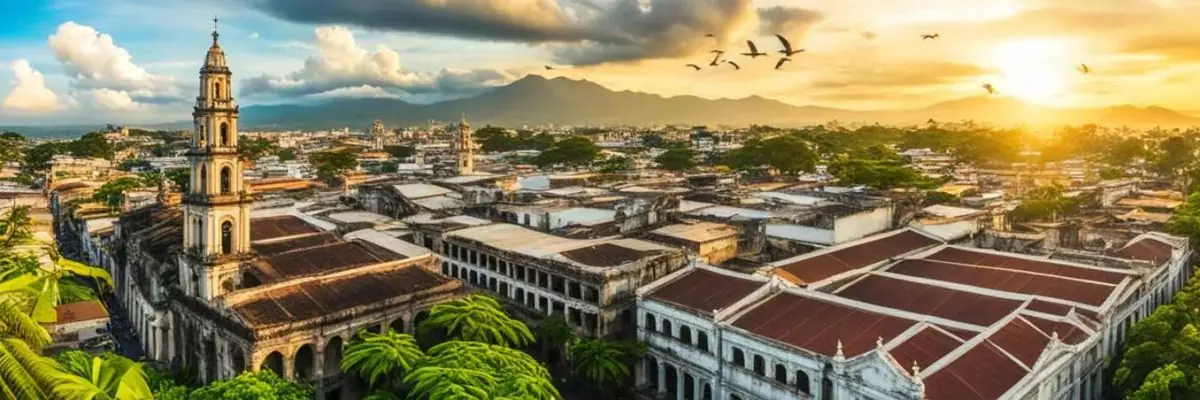
Negros Occidental occupies the western half of Negros Island, in the Negros Island Region (part of Western Visayas until 2024). It is the sugar capital of the Philippines — the "Sugarbowl of the Philippines", which produces more than half of the country's sugar, and whose economy, social structure, and political history have been shaped by this single crop for nearly two centuries. Bacolod City, the regional center, is known as the City of Smiles and hosts the MassKara Festival — one of the most celebrated provincial festivals in the Philippines.
The province is among the most economically developed in the Visayas. Bacolod City has a well-established middle class, a strong university sector, and a food culture that draws visitors from across the country. The hacienda system — vast sugar estates worked by tenant farmers and seasonal laborers — has defined the province's social geography since the 19th century, creating a distinct class divide that remains visible today.
Negros Occidental produces more than half of the Philippines' total sugar output. The province's flat coastal plain and fertile volcanic soil create near-ideal conditions for sugarcane cultivation. At peak production, networks of narrow-gauge railway connected haciendas to the sugar mills (centrals).
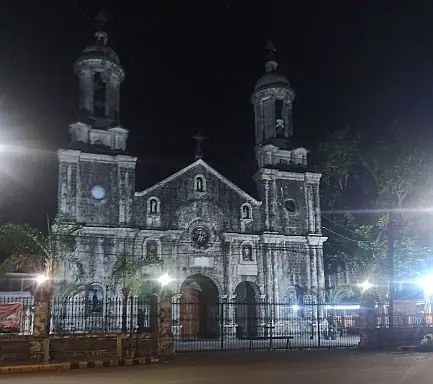
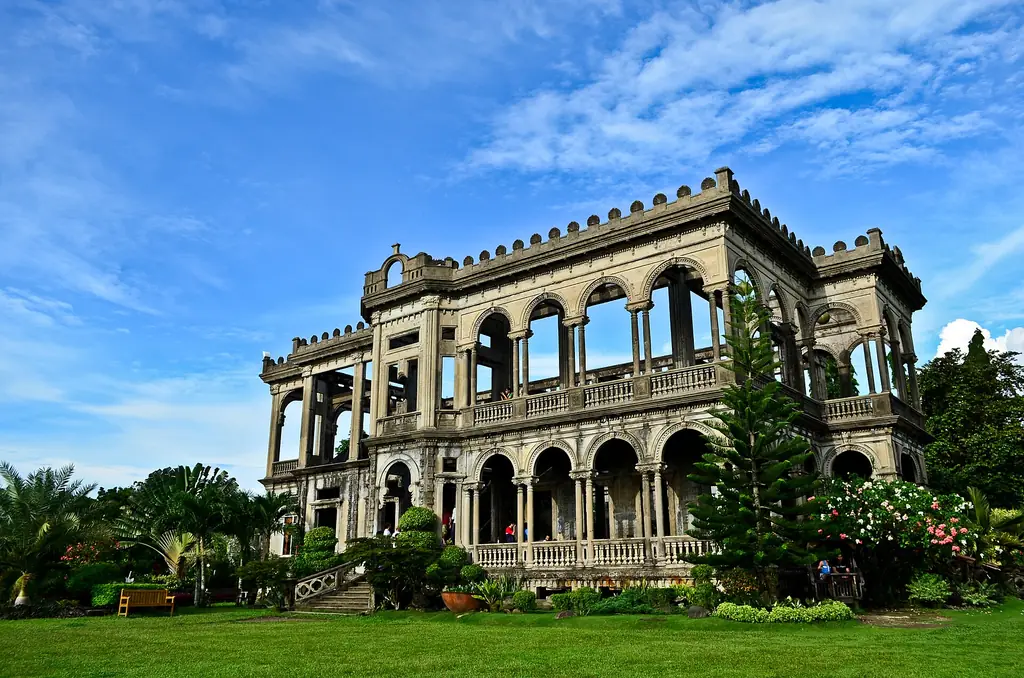
Beyond sugar, the province has a significant fishing industry, a growing BPO sector in Bacolod, and a tourism economy built around food, heritage architecture, and the MassKara Festival each October.
The 2024 census counted 2,680,477 people in Negros Occidental's 19 municipalities and 12 component cities; counting Bacolod (624,787), the capital and largest city, which is highly urbanized and governs itself, the figure is 3,305,264. Even without Bacolod it is the most populous province of the Negros Island Region and the second most populous in the Visayas after Cebu. Its highest point, shared with Negros Oriental, is Kanlaon, at 2,465 meters the highest mountain in the Visayas. Hiligaynon is the first language of about 84 percent of the people, and Cebuano of the rest, mainly in the towns facing the Tañon Strait and along the border with Negros Oriental. The island's old name was Buglas, believed to mean "cut off" in old Hiligaynon.