Map

North Cotabato

SOCCSKSARGEN
Mindanao
Capital Kidapawan City
Population 1,231,012
Area 9,008 km²
Municipalities 17
Cities 1
Island Group Mindanao
Languages Maguindanaon, Hiligaynon, Cebuano

North Cotabato is a landlocked province in the SOCCSKSARGEN region of central Mindanao. It is the largest province in the Philippines by area and one of the most agriculturally productive, producing substantial portions of the national output of rice, corn, and other crops. The province borders the Bangsamoro Autonomous Region in Muslim Mindanao (BARMM) to the west and Davao del Sur to the southeast, with Mount Apo — the highest peak in the Philippines — straddling the boundary between them.

Kidapawan CityCapital
9,008 km²Area
17Municipalities
MindanaoIsland Group
SOCCSKSARGEN (XII)Region

The province occupies the upper Cotabato Basin — the fertile river plains of the Mindanao River system. Its flat agricultural lowlands are fed by rivers draining from the Tiruray Highlands and the Bukidnon plateau. Settlement by Christian migrants from Luzon and the Visayas during the American period and postwar resettlement programs transformed what was once predominantly Maguindanao and Lumad territory into a mixed-population province.

The Largest Province

North Cotabato, at approximately 9,008 km², is among the largest provinces in the Philippines by land area. Its size reflects the Cotabato Basin's geographic scope — a broad, flat river plain surrounded by mountain ranges on three sides.

Kidapawan City sits at the base of Mount Apo, the highest mountain in the Philippines at 2,954 meters. The mountain is a protected natural park and the most prominent feature of the province's skyline. Its slopes support diverse forest ecosystems including mossy forest, montane forest, and geothermal areas.

North Cotabato's pre-colonial history is the history of the Cotabato Basin peoples — Maguindanao, B'laan, Tiruray, and other Lumad groups who inhabited the river plains and surrounding highlands. The Maguindanao sultanate's influence extended into the basin. Spanish penetration of the interior was limited; the Cotabato area remained largely under indigenous and sultanate authority.

1861

Spanish Fort Established at Cotabato

The Spanish build a permanent fort near the mouth of the Mindanao River, establishing the first sustained European presence in the Cotabato Basin. The fort becomes the basis for Cotabato City's eventual development.

1914

Cotabato Province Organized by Americans

The United States consolidates the Cotabato Basin under a single provincial administration. Settlement by Christian migrants from Luzon and the Visayas is actively encouraged to develop agricultural land.

1950s–1970s

Mass Settlement and Land Conflict

Government resettlement programs and spontaneous migration bring hundreds of thousands of Christian settlers to the Cotabato Basin. Land conflicts between settler communities, Muslim Maguindanaon, and Lumad indigenous peoples intensify, contributing to the emergence of the Moro National Liberation Front.

1966

North Cotabato Created

Old Cotabato Province is divided. North Cotabato emerges as a separate province, reflecting the demographic and political division between the Christian-majority northern basin and the Muslim-majority southern areas.

1982

Kidapawan Chartered as a City

Kidapawan is chartered as a city, formalizing its role as the commercial and administrative center of North Cotabato.

North Cotabato has a diverse population reflecting its history as a settler province. Christian communities from the Visayas — predominantly Cebuano-speaking — form the majority. Indigenous Lumad peoples — B'laan, Tiruray (Teduray), Ubo Manobo — live in the upland municipalities near the BARMM border and the mountain ranges. A Muslim minority community is present in some municipalities.

Lumad Peoples

The B'laan, Tiruray, and Manobo communities in North Cotabato's interior are among the most marginalized in the province. Their ancestral lands in the highlands have been subject to agricultural encroachment and logging. The Tiruray, in particular, maintain a distinct culture including the tradition of the tarsier — a primate protected in Tiruray cosmology. Indigenous peoples' schools and community organizations have worked to sustain cultural practices under significant pressure.

Mount Apo Natural Park

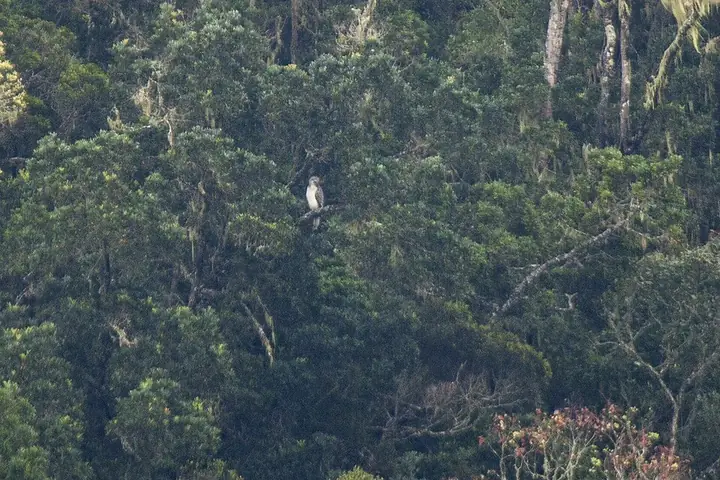
Mount Apo Natural Park covers approximately 64,000 hectares straddling North Cotabato and Davao del Sur. The mountain is the highest peak in the Philippines and is a biodiversity hotspot, home to the Philippine Eagle, the Philippine Cockatoo, and numerous endemic species. The park is a UNESCO Biosphere Reserve candidate and is sacred to the B'laan and Manobo peoples.

The province's lowland culture is shaped by its agricultural character. The rice harvest season structures the community calendar. Fiesta culture among Catholic communities follows the patron saints' feast schedule. Agricultural fairs and the Kidapawan City founding anniversary celebration are the main civic events.

North Cotabato's food reflects its settler population — primarily Cebuano and Ilonggo cooking traditions, adapted to Mindanao ingredients and the agricultural abundance of the Cotabato Basin. The province produces corn, rice, coffee, banana, and vegetables in large quantities. Freshwater fish from the river system supplement the diet.

Corn Grits (Mais)

A staple carbohydrate in North Cotabato and much of central Mindanao, boiled corn grits are eaten as a rice substitute or alongside rice. The province's large corn production makes it a natural part of the local diet, particularly in rural areas where corn farming is the primary livelihood.

Kilawin na Kambing

Goat meat prepared in the kinilaw style — boiled briefly, then mixed with vinegar, onion, ginger, and chili while still hot. A celebration dish common at gatherings in North Cotabato's farming communities. The goat flavor is strong and the acid-heat balance is the cooking challenge.

Sinigang na Baboy sa Batwan (Pork Sinigang, Cotabato Style)

North Cotabato
15 minutesPrep
1 hourCook
6Serves
Ingredients
  • 700g, cut into piecesPork ribs or belly
  • 8 pieces fresh, or 3 tbsp tamarind pasteBatwan fruit (or tamarind)
  • 1 medium, quarteredOnion
  • 2 medium, quarteredTomato
  • 1 medium, sliced into roundsRadish
  • 1 medium, slicedEggplant
  • 100g, cut into 2-inch piecesString beans
  • 1 cup loosely packedKangkong or spinach
  • 2 tbspFish sauce
  • 8 cupsWater
Method
  1. Bring water to boil with onion and tomato. Add pork and skim scum.
  2. Simmer pork for 40 minutes until tender.
  3. Add batwan or tamarind and radish. Cook 10 minutes.
  4. Add eggplant and string beans. Cook 5 minutes.
  5. Add kangkong and fish sauce. Cook 2 minutes more.
  6. Taste — adjust sourness with more batwan or tamarind. Serve hot.
Cook's note

Batwan is the preferred souring agent in the Cotabato-Visayas corridor. It has a distinctive fruity-sour flavor that tamarind approximates but does not match exactly. If you find batwan (available in Visayan wet markets), use it.

Cebuano is the dominant language of North Cotabato's lowland settler majority. It was brought by Visayan migrants who settled the Cotabato Basin from the 1920s through the 1960s and continues as the language of the market, the street, and most everyday interaction.

Maguindanaon is spoken in the western municipalities near the BARMM boundary, where Maguindanaon communities are present. B'laan, Tiruray, and various Manobo languages are spoken by indigenous communities in the upland areas. Filipino and English serve as the languages of education and government.

Multilingual Mindanao

North Cotabato exemplifies the linguistic complexity of Mindanao settler provinces. A single municipality may have Cebuano-speaking lowland farmers, Maguindanaon Muslim communities in certain barangays, B'laan indigenous villages in the hills, and Ilocano settlers who came in a separate migration wave — all within a few kilometers of each other. Filipino serves as the bridge language in this environment.

Ilocano is also spoken by communities of northern Luzon migrants who settled in North Cotabato under the various Land Settlement Development Corporation (LASEDECO) programs of the postwar period. These communities have maintained Ilocano language and culture for generations within the broader Cebuano-dominant environment.

Kidapawan City is the main access point for North Cotabato. It is connected by national highway to General Santos City to the south (about 2 hours), to Davao City to the southeast (about 3 hours), and to Cotabato City to the west. There is no direct airport in the province; travelers use Francisco Bangoy International Airport in Davao or Awang Airport in Cotabato City.

Davao Airport (~3 hours) or Cotabato Airport (~2 hours)Nearest Airport
~3 hours by road to KidapawanFrom Davao
~2 hours to KidapawanFrom GenSan
Mount Apo, Lake Agco, Kidapawan CityMain Draw

Mount Apo Natural Park

The highest mountain in the Philippines at 2,954 meters. Mount Apo is a certified climb for experienced mountaineers with proper permits — the standard route takes 3–4 days from the Kidapawan side. The mountain park contains volcanic terrain, sulfuric lakes, pitcher plants, Philippine Eagles, and the largest rafflesia species in the Philippines.

Lake Agco

A hot spring lake at the base of Mount Apo in Kidapawan City's territory. The lake sits in a volcanic area with natural hot spring pools, bubbling mud, and a sulfuric smell that clears immediately when you enter the surrounding forest. The area is the main staging point for Mount Apo climbs from the North Cotabato side.

Kidapawan City

The provincial capital, a quiet city with a functioning market, several restaurants serving Mindanao cooking, and a commercial strip serving the surrounding agricultural area. The Kidapawan City Botanical Garden and the Asik-Asik Falls in the municipality of Alamada are day-trip options from the city.

Asik-Asik Falls, Alamada

A curtain waterfall in Alamada municipality — water seeps through and falls from a wide flat cliff face covered in vegetation, creating a broad, dense cascade without a single stream source. The effect is unusual and makes Asik-Asik one of the more visually distinctive waterfalls in Mindanao.

What the Mountain Holds

Mount Apo is not a mountain you summit casually. Its upper reaches — the mossy forest, the sulfuric crater, the boulder fields approaching the peak — require several days on the trail, proper gear, and a permit from the protected area management office. The mountain straddles the boundary between North Cotabato and Davao del Sur, and both provincial governments maintain entrance points. The Kidapawan side, through Lake Agco, is the traditional route.

For the B'laan and Manobo peoples whose ancestral territory includes the mountain's slopes, Apo is not a trekking destination but a presence. The mountain appears in creation stories. It holds the origins of rivers. It is the place where certain rituals must be performed at certain times. The national park boundary drawn by the government does not coincide with the boundaries the mountain's indigenous custodians would draw.

Climbers from Davao and Kidapawan reach the summit and take photographs with the flag. The Philippine Eagle nests somewhere in the forest below the treeline, rarely seen. The sulfuric vents at the crater's edge smell like the underside of creation. The mountain will be there when everyone who has ever photographed its peak is gone. That, at least, is what the B'laan have always known.