Map

Nueva Vizcaya

Cagayan Valley
Luzon
Capital Bayombong
Population 479,887
Area 3,975 km²
Municipalities 15
Cities 0
Island Group Luzon
Languages Ilocano, Tagalog, Isinai, Gaddang

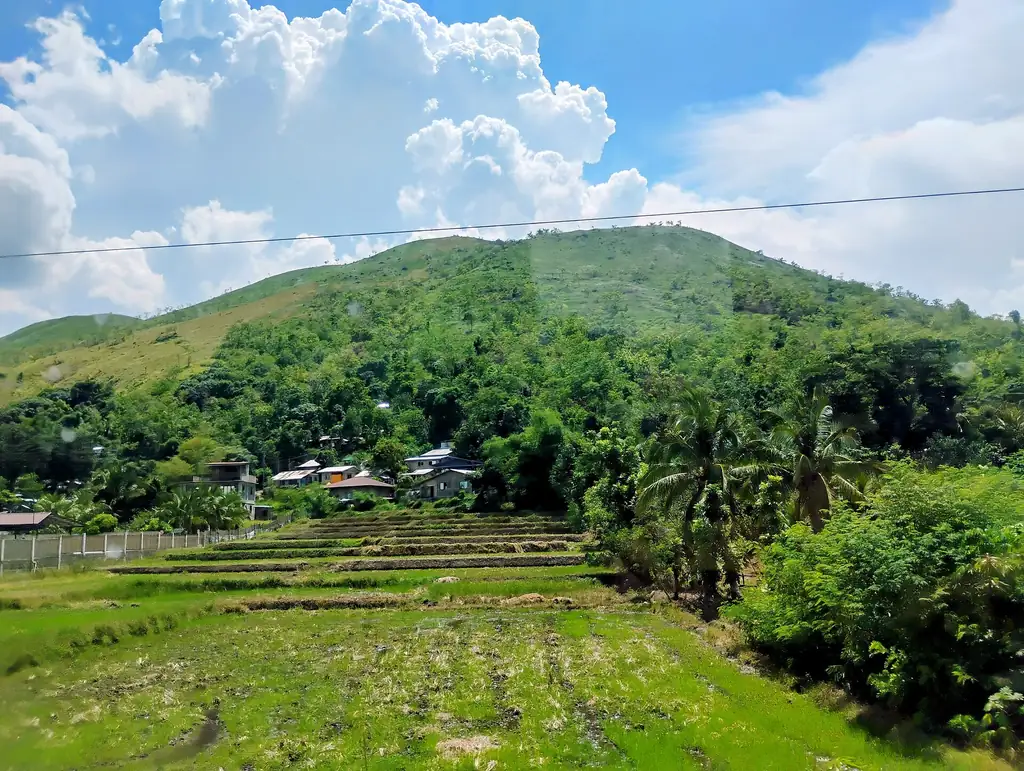
Nueva Vizcaya is a landlocked highland province in Cagayan Valley, forming the corridor between the lowlands of Central Luzon and the Cagayan River basin to the north. The province sits along the Magat River valley, hemmed in by the Sierra Madre to the east and the Cordillera to the west. It is a province defined by its rivers, its roads, and the mountain communities that have occupied its highland edges for centuries.

BayombongCapital
3,975 km²Area
15Municipalities
LuzonIsland Group
Cagayan Valley (II)Region

The Mountain Corridor

The Maharlika Highway passes through Bayombong, making Nueva Vizcaya a transit province between Manila and the Cagayan Valley. Its highland position means cooler temperatures than the lowland provinces to the south—Bayombong averages around 24°C, making it noticeably comfortable compared to the Central Luzon plains. The Ifugao and Ibaloi indigenous communities in the uplands maintain land use and cultural practices distinct from the lowland Ilocano and Tagalog settlers.

White Water Capital

The Mataas na Bato rapids on the Magat River near Diadi are the site of white water rafting operations that draw adventurers from Manila. The Cagayan Valley Rafting Tournament is held annually on these waters.

The Magat River valley was inhabited by Ifugao and Ibaloi communities long before Spanish contact. The Spanish established missions in the lowland areas of the valley in the late 16th century, but the highland communities resisted reduccion and maintained their autonomy into the American period. The province was formally organized in 1839 from territories previously administered as part of Cagayan and Nueva Ecija.

1591

Dominican Missions Established

Dominican missionaries entered the Cagayan Valley corridor and began establishing missions in lowland communities along the Magat River. Highland Ifugao and Ibaloi communities remained largely outside Spanish jurisdiction.

1839

Nueva Vizcaya Formally Organized

The province was constituted as a separate administrative unit, with Bayombong as its center. The name echoes Vizcaya in the Basque Country of Spain, following the colonial convention of naming Philippine provinces after Spanish places.

1900s

American Road-Building

American colonial administrators pushed the Dalton Pass road through the province, opening Nueva Vizcaya to commerce and migration from Central Luzon. Ilocano settlers moved north in large numbers, transforming the valley floor.

1980s–present

Magat Dam and Irrigation

Magat Dam on the Cagayan-Isabela border, fed by rivers rising in Nueva Vizcaya, transformed agriculture downstream. The province's rivers remain central to the regional water and power system.

Nueva Vizcaya's culture is layered. The valley floor is predominantly Ilocano-speaking, the result of decades of in-migration. The highland barangays hold Ifugao and Ibaloi communities who maintain distinct weaving traditions, ritual calendars, and land tenure systems that predate the Philippine state. These two worlds meet in the markets of Bayombong and Bambang without entirely merging.

Indigenous Communities

The Ifugao people of Nueva Vizcaya's eastern highlands practice a form of wet rice agriculture on terraced slopes—though on a smaller scale than the famous Banaue terraces. Their textile traditions, using handlooms and natural dyes, produce cloth with patterns that encode clan and community identity. The Ibaloi of the western slopes have their own distinct material culture and oral traditions.

Bonbon Festival

Bayombong's Bonbon Festival, held each June, celebrates the founding of the province with street dancing, cultural presentations by indigenous groups, and an agri-trade fair. It draws participants from all 15 municipalities.

Coffee growing has become a significant agricultural and cultural feature of Nueva Vizcaya. The highlands around Quezon and Alfonso Castañeda produce robusta and arabica varieties. Coffee farms have attracted small-scale tourism in recent years, with farm visits and cupping sessions organized for visitors from the lowlands.

The food of Nueva Vizcaya reflects its position between Ilocano lowland cooking and highland indigenous traditions. Ilocano staples—pinakbet, dinengdeng, bagnet—dominate the restaurants and carinderias of Bayombong. Mountain communities contribute preserved meats and wild vegetables gathered from forest gardens.

Dinengdeng

A light Ilocano vegetable stew made with bagoong isda (fermented fish) as a base. Common vegetables include ampalaya, squash, string beans, eggplant, and whatever is in season. It is soupy rather than thick, and the fermented fish gives it umami depth without heaviness.

Tupig

A grilled rice cake made from ground glutinous rice mixed with coconut milk, sugar, and grated coconut, wrapped in banana leaf and cooked over charcoal. A common snack along the Maharlika Highway through Nueva Vizcaya. Vendors sell it from roadside stalls, particularly in Bambang.

Bagnet (Ilocano Double-Fried Pork)

Ilocos / Cagayan Valley
20 minutesPrep
2 hoursCook
4–6Serves
Ingredients
  • 1 kg, slabpork belly with skin
  • 1 head, crushedgarlic
  • 4 leavesbay leaves
  • 1 tsp, wholeblack pepper
  • 2 tbspsalt
  • enough to coverwater
  • as neededoil for deep frying
Method
  1. Place pork belly in a pot with garlic, bay leaves, pepper, and salt. Cover with water.
  2. Boil until pork is tender, about 45 minutes to 1 hour. Remove and pat dry completely.
  3. Allow pork to cool and dry, uncovered, for at least 1 hour. A wire rack helps.
  4. Heat oil to 150°C. Fry pork slowly for 20–25 minutes until cooked through but not yet crisp. Remove and drain.
  5. Raise oil to 190°C. Fry pork again for 8–10 minutes until skin blisters and crunches.
  6. Drain, slice, and serve immediately with pinakbet or dinengdeng.
Cook's note

The double-fry is essential. The first fry cooks the meat; the second fry at high heat creates the blistered, crackling skin. Skipping the drying step produces uneven results.

Ilocano is the dominant language of Nueva Vizcaya's lowland municipalities, spoken by the majority of the valley floor population. In highland barangays, Ifugao and Ibaloi are the languages of daily life, with Ilocano or Filipino used for trade and government interaction. Tagalog is spoken by migrants from Central Luzon and is understood by most educated residents.

IlocanoPrimary
Ifugao, IbaloiIndigenous
Tagalog, Filipino, EnglishAlso spoken
Ifugao Language

Ifugao is not a single language but a cluster of related dialects—Tuwali, Ayangan, Kalanguya, and others—that differ enough that speakers from different communities may not fully understand one another. Nueva Vizcaya's Ifugao communities primarily speak Kalanguya.

The multilingualism of Nueva Vizcaya's markets and roadsides is matter-of-fact. A transaction at the Bayombong market might shift between Ilocano, Ifugao, and Filipino within a few sentences. Children in highland schools learn in their indigenous language in early grades before transitioning to Filipino and English.

7–8 hours by bus via Maharlika HighwayFrom Manila
Bayombong (via Dalton Pass from Nueva Ecija)Main gateway
November to April (cool and dry)Best months
Dalton Pass (elev. 1,052m) can close in severe stormsNote

Places to Visit

Diadi White Water Rafting

The Mataas na Bato section of the Magat River near Diadi offers Class II–III rapids suitable for beginners and intermediate paddlers. Commercial outfitters operate from Bayombong. The river runs through a valley with views of the Sierra Madre foothills.

Dalton Pass

The mountain pass at 1,052 meters elevation on the boundary with Nueva Ecija offers panoramic views of the Cagayan Valley and Central Luzon plain. A monument marks the site of World War II battles where Filipino and American forces fought Japanese defenders in 1945.

Ambaguio Highland Communities

The municipality of Ambaguio in the western highlands is home to Kalanguya Ifugao communities. Small-scale rice terraces, traditional weaving, and coffee farms can be visited with community guides. The road is rough and requires a 4WD vehicle in wet conditions.

Highway Rest Stop

Bambang, south of Bayombong, is the province's main commercial town and a traditional rest stop on the Manila-Cagayan Valley bus route. Its market sells Ilocano specialties including tupig, longganisa, and highland coffee. Buses stop here for 20–30 minutes.

The Pass at Dalton

The Dalton Pass was named for James L. Dalton, an American officer, but it was Filipino and American soldiers together who cleared it of Japanese defenders in early 1945. The pass sits at the top of the Sierra Madre, separating Nueva Ecija from Nueva Vizcaya. In the war, whoever controlled the pass controlled the road between Manila and the Cagayan Valley, where Japanese forces were making their final stand.

The fighting at Dalton Pass lasted weeks. The terrain—narrow road, steep cliffs, thick vegetation—favored the defenders. The Allies had air support and artillery, but ground troops still had to take the position yard by yard. The monument at the pass records the action in the spare language of military commemoration: dates, units, casualties. It does not convey what the place looked like when it was over.

Today the pass is a regular stop for buses traveling between Manila and Tuguegarao. Vendors sell steamed corn and boiled peanuts to passengers who get out to stretch. On clear days you can see the Cagayan Valley extending north, flat and wide, and behind you the Central Luzon plain. The monument stands at the side of the road, and most passengers walking past it do not read the inscription. The view from the pass is unremarkable if you do not know what happened there, and extraordinary if you do.