Map

Occidental Mindoro

MIMAROPA
Luzon
Capital Mamburao
Population 538,282
Area 5,859 km²
Municipalities 11
Cities 0
Island Group Luzon
Languages Tagalog, Iraya, Hanunuo

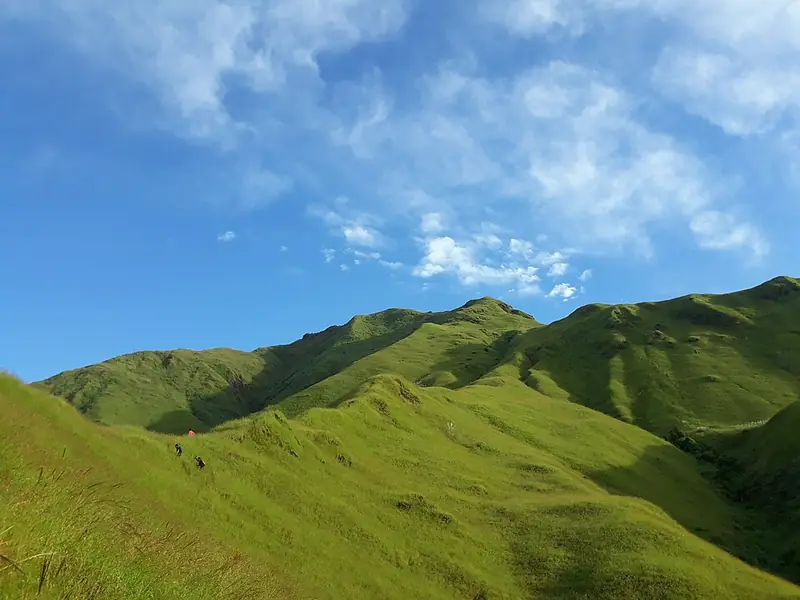
Occidental Mindoro occupies the western coast and interior of Mindoro Island, facing the Mindoro Strait and the South China Sea. It is a large, sparsely populated province with a coastal plain edged by mountain ranges and covered in secondary forest, cattle ranches, and rice paddies. The Mangyans—eight distinct indigenous groups who have lived on Mindoro for thousands of years—remain a central presence in the island's interior.

MamburaoCapital
5,879 km²Area
11Municipalities
LuzonIsland Group
MIMAROPA (IV-B)Region

Western Mindoro

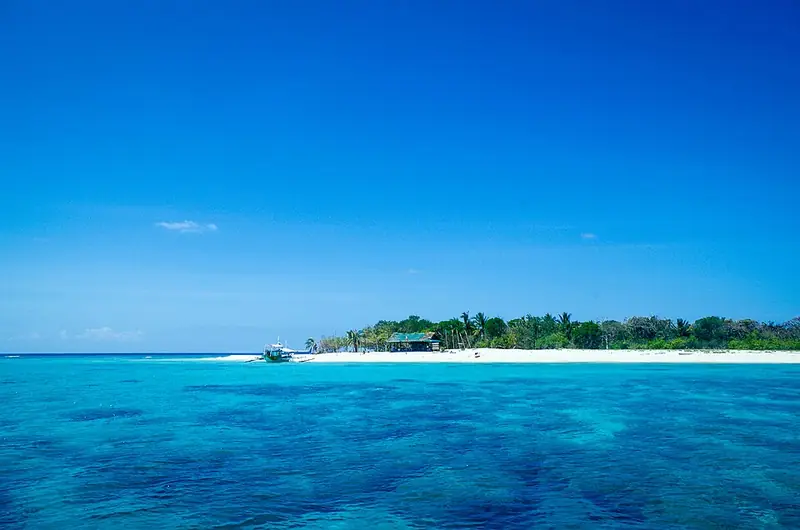
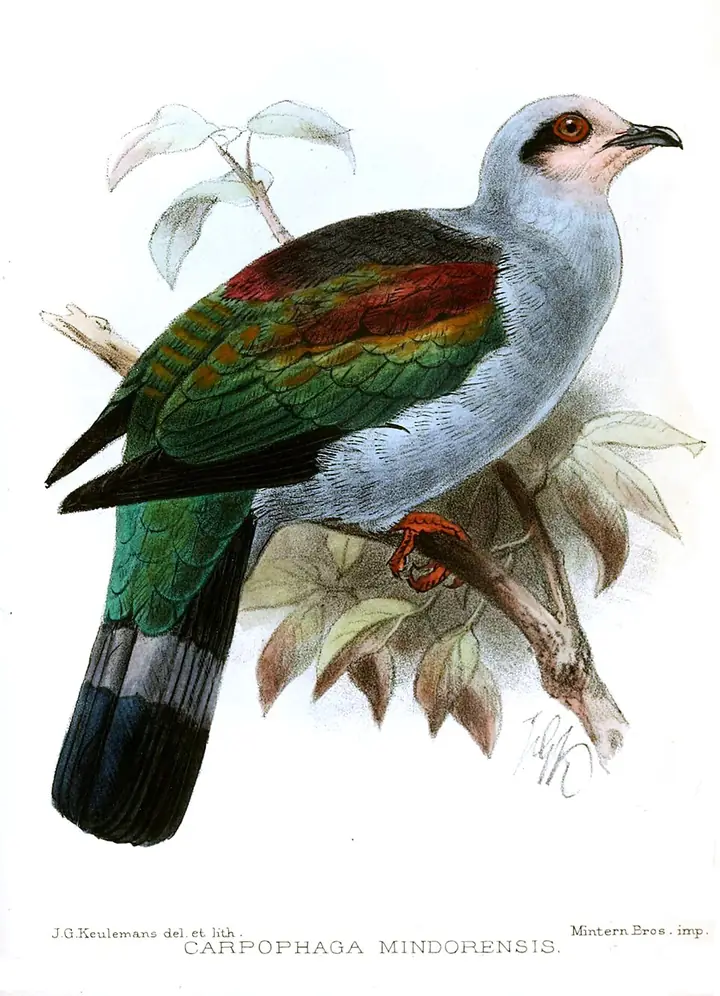
Mamburao sits on the Mindoro Strait coast, accessible by ferry from Batangas. The province's western coast has several beaches, but it is the coral reefs offshore that draw divers. Apo Reef Natural Park—the second largest contiguous coral reef in the world—lies in the Mindoro Strait west of the Sablayan coast. The interior mountains, reaching above 2,000 meters, are habitat for endangered species including the Mindoro dwarf buffalo (tamaraw) and the Mindoro bleeding-heart pigeon.

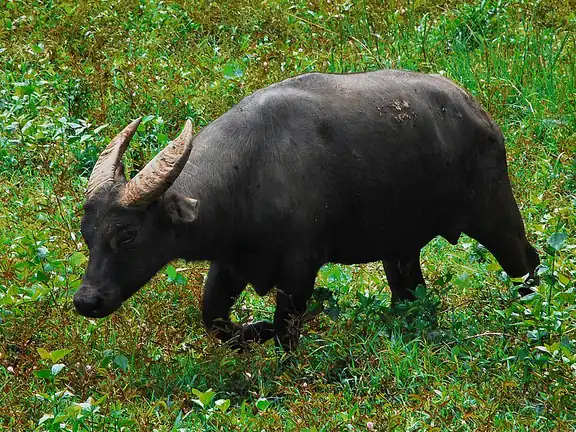
The Tamaraw

The tamaraw (Bubalus mindorensis) is a small buffalo found only on Mindoro. It was once numerous across the island but hunting and habitat loss reduced the population to fewer than 500 animals, most in the Mounts Iglit-Baco Natural Park in Occidental Mindoro. It is one of the Philippines' most endangered endemic mammals.

Mindoro was known to Chinese traders before the Spanish arrived. The island's lowland coasts were sites of trade and occasional settlement, while the interior remained Mangyan territory. Spanish colonization of the coasts began in the 16th century, but the Mangyans withdrew further into the mountains rather than submit to reduccion.

c. 1300s

Chinese and Malay Trade Contact

Mindoro's western coast appears in Chinese and Malay trading records as a source of beeswax, forest products, and local goods. The island's lowland coasts facilitated trade long before European contact.

1570s

Spanish Settlement of Coastal Mindoro

Spanish forces established settlements on Mindoro's coasts, particularly on the north and west sides facing Manila Bay. The interior remained effectively independent under Mangyan communities.

1950

Province Divided

Mindoro was divided into Occidental and Oriental Mindoro, formalizing the administrative distinction between the western and eastern coasts of the island.

1996

Apo Reef Declared Natural Park

Apo Reef was declared a protected area, recognizing it as one of the world's most significant coral reef systems. It covers 34 km² of continuous coral and numerous smaller patch reefs.

Occidental Mindoro's lowland population is predominantly migrant—Tagalog, Ilocano, and Visayan settlers who came in the 20th century for agricultural land. The indigenous Mangyans of the interior represent eight distinct groups: Alangan, Buhid, Hanunuo, Iraya, Ratagnon, Tadyawan, Tau-buid, and Bangon. Each group has its own language, territory, and traditions.

Mangyan Heritage

The Hanunuo Mangyans of southern Mindoro practice one of the few living pre-colonial Philippine scripts—Hanunuo script, an abugida derived from the ancient Indic writing systems that spread through maritime Southeast Asia. They inscribe poetry and messages onto bamboo and leaves. The script is recognized by UNESCO.

Ambahan Poetry

The Hanunuo Mangyans compose ambahan—seven-syllable poems inscribed in their traditional script. The poems address themes of courtship, travel, and separation. They are not sung but recited, and the inscribed bamboo is sometimes given as a gift.

The lowland festival calendar in Occidental Mindoro follows the Catholic-civic pattern of fiesta and founding anniversaries. Mamburao's Alon Festival celebrates the province's coastal character. Sablayan hosts an eco-tourism festival tied to Apo Reef. In many municipalities, Mangyan cultural presentations have been incorporated into provincial festivals, though the relationship between tourist-facing presentation and actual community practice requires careful distinction.

Coastal communities in Occidental Mindoro eat what the sea provides—fish, squid, shellfish—supplemented by rice and vegetables from the interior farms. The Mangyan communities of the mountains rely more on root crops, including taro, cassava, and sweet potato, along with forest products. The two food cultures exist side by side but do not significantly overlap in restaurant and market settings.

Inihaw na Tanigue

Grilled wahoo (Spanish mackerel) marinated in vinegar, garlic, and soy sauce, then grilled over charcoal. The tanigue is common along the Mindoro coast and is preferred for grilling because of its firm flesh and clean flavor. Served with rice and a dipping sauce of calamansi and soy sauce.

Mangyan Binubudan

A traditional Mangyan preparation of fermented rice wrapped in leaves and slow-cooked. Fermentation produces a mild sourness. It is a practical preservation technique for communities in the mountains who may not have immediate access to markets. The dish is not commonly available commercially.

Sinabawang Isda (Fish Broth Soup)

Mindoro coast
10 minutesPrep
20 minutesCook
4Serves
Ingredients
  • 1 kg, cleaned and scoredwhole fish (lapu-lapu, tanigue, or bangus)
  • 1 thumb, sliced thinginger
  • 3 medium, quarteredtomatoes
  • 1 medium, slicedonion
  • 6 cupswater
  • 2 tbspfish sauce
  • 1 cupmalunggay leaves
  • 2 pieces, wholegreen finger chili
Method
  1. Bring water to a boil in a wide pot. Add ginger, tomatoes, and onion.
  2. Simmer 5 minutes until tomatoes soften.
  3. Add fish and fish sauce. Do not stir; let the fish cook undisturbed for 8–10 minutes.
  4. Add malunggay leaves and chili in the last 2 minutes.
  5. Check seasoning. Serve directly from the pot with steamed rice.
Cook's note

The key is not to overcook the fish. Pull it off heat as soon as the flesh flakes easily at the thickest part. The broth should be clear, not cloudy.

The dominant language of Occidental Mindoro's lowlands is Tagalog, with Ilocano also widely spoken in northern municipalities. The eight Mangyan groups each speak their own distinct language, and several of these—particularly Hanunuo—remain vital community languages with active speakers across generations.

TagalogLowland primary
Ilocano, VisayanAlso spoken
Iraya, Alangan, Tau-buid, Hanunuo, and othersIndigenous
Hanunuo Script

Hanunuo script is written from bottom to top, right to left—the opposite of Latin text. It is inscribed rather than drawn, using a sharp knife or stylus on bamboo. The Hanunuo Mangyans are among the few remaining communities in the Philippines who use a pre-colonial indigenous script in daily life.

Ferry from Batangas Port to Abra de Ilog (~2.5 hours)From Manila
Ferry to Mamburao from Batangas (~4 hours)Also by sea
November to MayBest months
Vans and tricycles; roads are mostly pavedInternal transport

Places to Visit

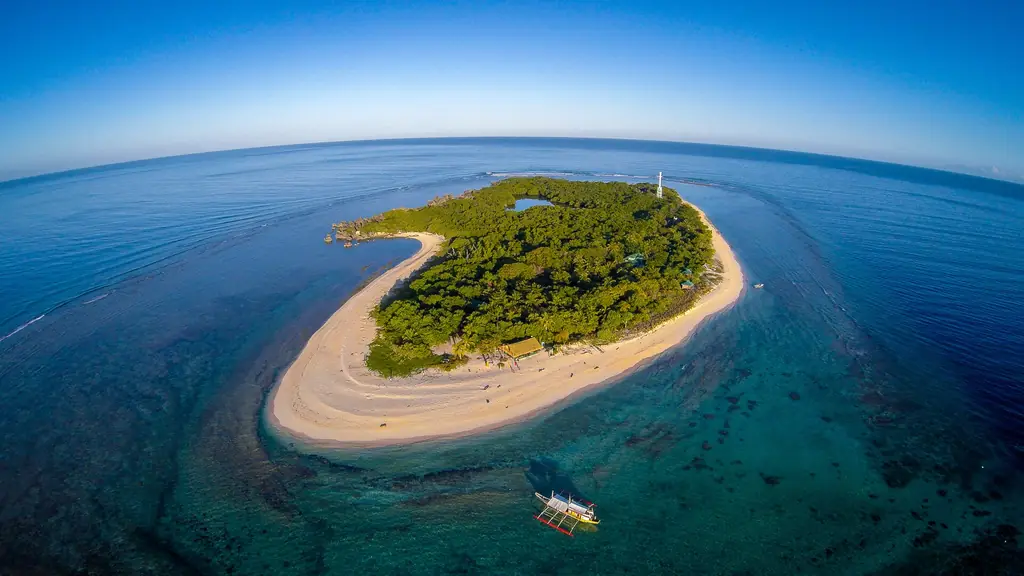
Apo Reef Natural Park

Located 32 km off the Sablayan coast, Apo Reef is the second largest contiguous coral reef in the world after Australia's Great Barrier Reef. It supports over 500 fish species and is a critical nesting site for sea turtles. Day trips and liveaboard diving are organized from Sablayan. The reef requires a permit and is managed by the DENR.

Mounts Iglit-Baco Natural Park

This protected area in the interior mountains is the last significant habitat of the critically endangered tamaraw. Guided treks to tamaraw viewing areas can be arranged through the DENR office in San Jose. The montane grasslands and forest are also habitat for endemic birds.

Sablayan Prison and Penal Farm

One of the unusual tourist attractions in the Philippines—a working prison farm where visitors can tour agricultural operations, buy produce grown by inmates, and learn about the rehabilitation program. It is a reminder that Mindoro's interior was developed partly through penal colony settlement.

Getting to Apo Reef

Most divers base themselves in Sablayan, which has guesthouses and dive shops. Boats to the reef take about 1.5 to 2 hours each way. Day trips are long. Liveaboard options allow more dive time and overnight stays near the reef.

The Script on the Bamboo

A young Hanunuo man carving a poem into a section of bamboo is performing an act that connects him to a script older than the Spanish colonial period. The Hanunuo script arrived in Mindoro as part of the spread of Indic writing systems through maritime Southeast Asia, adapted locally over centuries into something distinctly Mangyan. It encodes the Hanunuo language with an efficiency that linguists have studied and that UNESCO has recognized as an intangible cultural heritage.

The poems inscribed in this script—ambahan—are not casual messages. They are composed with attention to syllable count (seven syllables per line) and metaphor. Courtship, longing, the difficulty of travel, the sadness of separation—these are the subjects. The inscribed bamboo is given to a person as a message that takes the form of an object. You hold the poem in your hand.

Lowland Filipinos passing through Mindoro's markets occasionally encounter Mangyan vendors selling weavings and carved objects. The script appears on these objects as decoration, and buyers may not know what it says—or that it says anything at all. The Hanunuo know. The script has not died because it is still used for the purpose it was designed for: to say something to another person that is worth the effort of carving.