Map

Pampanga

Central Luzon
Luzon
Capital San Fernando City
Population 2,898,172
Area 2,181 km²
Municipalities 22
Cities 3
Island Group Luzon
Languages Kapampangan, Tagalog

Pampanga occupies the southwestern portion of Central Luzon, south of Tarlac and west of Nueva Ecija. Its people, the Kapampangans, are one of the Philippines' distinct ethnolinguistic groups with a strong regional identity rooted in language, food, and a history of proximity to colonial power. The province is widely recognized as the culinary capital of the Philippines—a claim based not on marketing but on documented history and the sheer breadth of its food traditions.

San Fernando CityCapital
2,181 km²Area
22 municipalities, 2 cities (San Fernando, Angeles)Municipalities
LuzonIsland Group
Central Luzon (III)Region

Kapampangan Identity

The Kapampangans occupy a territory that was the center of Spanish colonial administration in Luzon for extended periods. Their proximity to Manila, combined with a tradition of military service under both the Spanish and Americans, gave them an outsized influence on Philippine political and cultural history relative to their population. The language, Kapampangan (also called Pampango), remains vital and is spoken by over 2 million people.

The Giant Lantern Festival

San Fernando City hosts the Ligligan Parul (Giant Lantern Festival) each December, the Saturday before Christmas. Competing barangays build lanterns up to 6 meters in diameter with synchronized electric light displays. It is considered the most elaborate Christmas lantern competition in the world.

Pampanga was one of the first provinces organized under Spanish colonial rule, established in 1571. Its location—close to Manila, with a navigable river system—made it administratively and militarily strategic. Kapampangan soldiers served as auxiliaries in Spanish military campaigns across the Philippines and in other parts of Southeast Asia.

1571

Province Established

Pampanga was among the first provinces formally constituted under Spanish rule, providing Manila with agricultural goods, timber, and military manpower.

1762–1764

Palaris Revolt

Diego Silang and Juan de la Cruz Palaris led uprisings against Spanish authority in Central and Northern Luzon. The Kapampangan upper class generally supported Spanish authority during this period, deepening the colonial alliance.

1896

Philippine Revolution

Pampanga joined the Philippine Revolution against Spain. Many Kapampangan principalia families had complex loyalties, but ordinary residents joined the Katipunan in significant numbers.

1941–1945

World War II and Clark Air Base

Clark Field (later Clark Air Base) in Angeles City was a major American military installation. Japanese forces attacked on December 8, 1941, hours after Pearl Harbor, destroying most of the Far East Air Force on the ground. Pampanga was occupied for three years before liberation.

1991

Mount Pinatubo Eruption

The June 1991 eruption of Mount Pinatubo was the second largest volcanic eruption of the 20th century. Lahar flows from the eruption buried entire municipalities and significantly altered the province's geography and agriculture. Reconstruction took over a decade.

Kapampangan culture is characterized by an elaborate festival tradition, a strong sense of regional distinctiveness, and food as a cultural marker. The statement 'Kapampangans are the best cooks in the Philippines' is repeated by Kapampangans and by many outside observers as well. It is based on historical factors: the density of Spanish and later American colonial activity created a culture of refined domestic service that transferred into culinary expertise.

Holy Week and Religious Tradition

San Fernando is known for its intense Holy Week observances, including flagellants who walk through the streets. In San Pedro Cutud barangay, a re-enactment of the crucifixion involves actual nailing—volunteers are nailed to crosses each Good Friday. This practice, condemned by the Catholic bishops but not formally prohibited, draws international media attention annually.

Sinukuan: The Kapampangan Mountain Deity

Pre-colonial Kapampangan religion included Apo Namalyari (spirit of Mount Arayat) and other indigenous deities. Mount Arayat's isolated peak, rising from the Central Luzon plain, was considered sacred. Some traditional beliefs persist in folk practices alongside Catholicism.

Angeles City, now a densely urbanized area, developed its character largely around Clark Air Base during the American period and after. The city's food scene, entertainment industry, and commercial character reflect this complex history. It is a different urban experience from San Fernando despite being in the same province.

Kapampangan cuisine is widely considered the most sophisticated in the Philippines. It has produced dishes that have become national standards—kare-kare, morcon, sisig—and a cooking vocabulary built around slow cooking, fermented condiments, and precise seasoning. The most important Kapampangan condiment is bagoong alamang (fermented shrimp paste), which accompanies kare-kare, pinakbet, and many other dishes.

Kare-Kare

Oxtail, tripe, and knuckles braised in a rich peanut sauce thickened with toasted ground rice, colored with atsuete (annatto). Served with blanched vegetables—eggplant, banana blossom, sitaw, bok choy—and accompanied by bagoong alamang. One of the Philippines' most complex stews, requiring several hours of preparation.

Sisig (Original Kapampangan)

The Pampanga original is a salad of chopped pig's face and ears, cooked with calamansi juice and chili peppers, served at room temperature. The sizzling plate version with egg and mayonnaise is a later commercial adaptation. Sisig was invented by Lucia Cunanan of Angeles City in the 1970s and has since become one of the Philippines' most exported dishes.

Kare-Kare

Pampanga
30 minutesPrep
3 hoursCook
6–8Serves
Ingredients
  • 1 kg, cross-cutoxtail
  • 500g, cleaned and cutbeef tripe
  • 1 cuproasted peanuts, ground
  • 4 tbsppeanut butter
  • 3 tbsptoasted ground rice
  • 2 tbspatsuete (annatto) seeds
  • 2 medium, cut into chunkseggplant
  • 1 cup, boiledbanana blossom
  • 100g, cutsitaw (yard-long beans)
  • 2 bunchesbok choy
  • to tastefish sauce
  • for servingbagoong alamang
Method
  1. Boil oxtail and tripe in water 2–2.5 hours until very tender. Reserve broth.
  2. Soak atsuete seeds in 1/2 cup warm water for 10 minutes. Strain liquid.
  3. In a large pot, combine meat with 4 cups reserved broth and atsuete water.
  4. Add ground peanuts, peanut butter, and ground rice. Stir well.
  5. Simmer 20 minutes until sauce thickens. Season with fish sauce.
  6. In separate batches, blanch eggplant, sitaw, and banana blossom until just cooked.
  7. Add blanched vegetables to the pot, then bok choy for the last 2 minutes.
  8. Serve immediately with bagoong alamang on the side.
Cook's note

The peanut sauce should be thick enough to coat the meat but not pasty. Adjust with broth. Do not add bagoong to the pot—it is always served alongside so each diner can add it to their portion.

Kapampangan (Pampango) is the primary language of Pampanga, spoken by approximately 2.4 million people in the province and by diaspora communities in Manila, North America, and the Middle East. It is one of the eight major languages of the Philippines and has its own body of literature, poetry, and theater tradition.

Kapampangan (Pampango)Primary
~2.4 millionSpeakers
Filipino, English, TagalogAlso spoken
Kulitan (pre-colonial Kapampangan script)Script (historical)
Kulitan Script

Kapampangan has its own pre-colonial script called Kulitan, written vertically from top to bottom in columns proceeding right to left. A revival movement has worked to teach Kulitan in Pampanga schools since the 1990s. It is occasionally seen on public signage and cultural materials in San Fernando.

Kapampangan literature includes the works of Juan Crisostomo Soto, considered the father of Kapampangan literature, who wrote poems, plays, and prose in the late 19th and early 20th centuries. The language has a tradition of zarzuela (musical theater) performance that was particularly active in the early American period.

1–1.5 hours via NLEX to San Fernando or AngelesFrom Manila
San Fernando City, Angeles CityMain gateways
Third Saturday of DecemberGiant Lantern Festival
Bus from Cubao, or Genesis from PasayTransport

Places to Visit

San Fernando Heritage District

The Pampanga Capitol and surrounding heritage buildings define the civic center of San Fernando City. The city is the site of the Giant Lantern Festival (Ligligan Parul) each December. The Sta. Lucia Parish Church and nearby streets with preserved Spanish-era architecture are worth walking.

Clark Freeport and Fontana

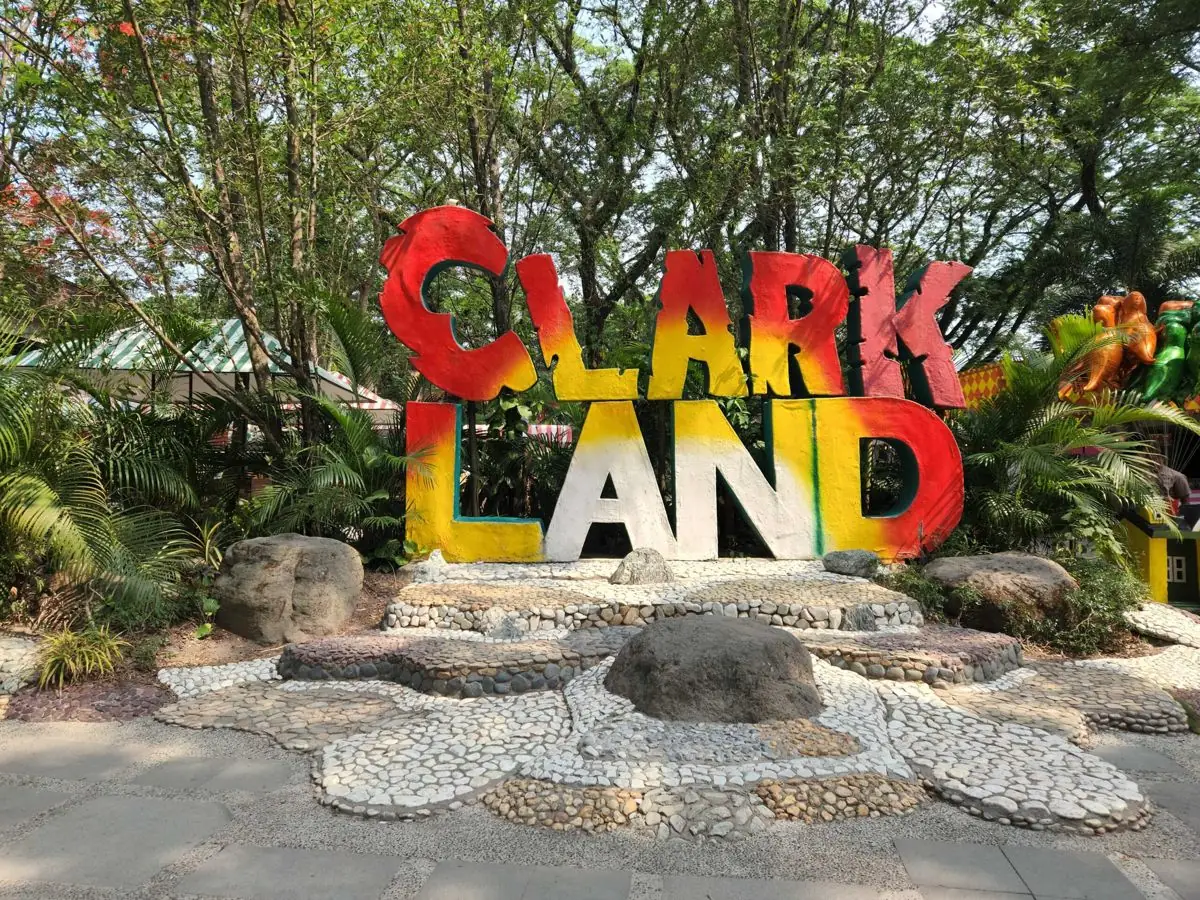
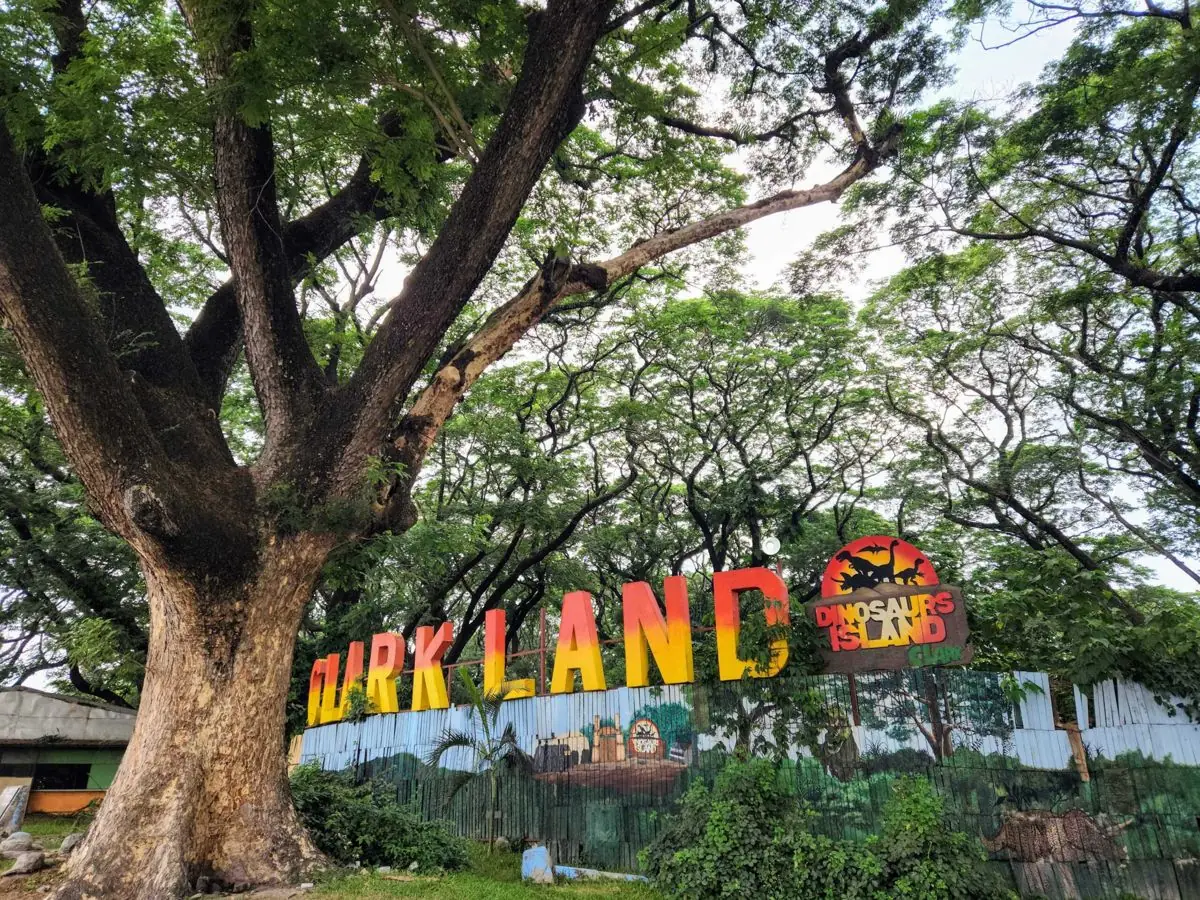
The former Clark Air Base is now Clark Freeport Zone, containing a duty-free shopping area, a water park (Fontana), golf courses, and international hotels. The site also has the Clark Museum documenting the base's history from its establishment through the Pinatubo evacuation.

Mount Arayat National Park

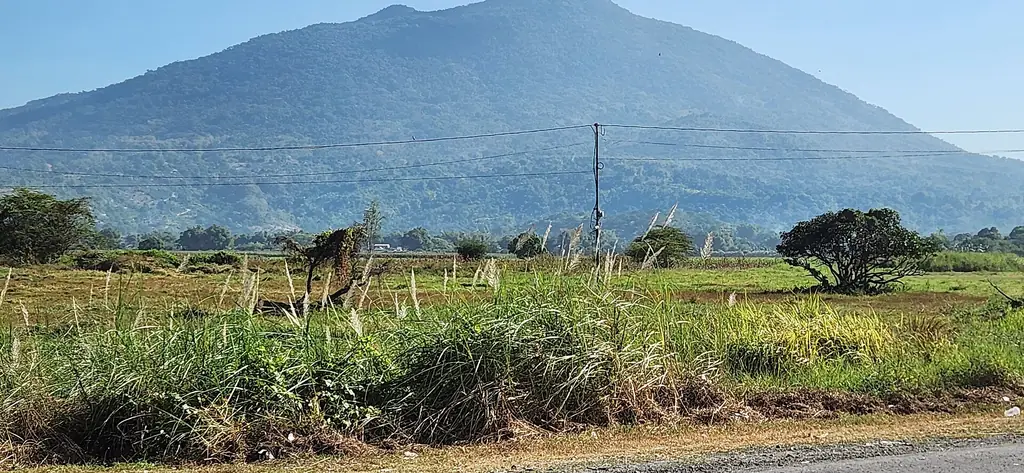
The isolated volcano rising from the Central Luzon plain is visible from most of Pampanga. Mount Arayat has two peaks (Arayat Proper and North Peak) and trails through secondary forest. It is a day hike from Arayat town, accessible from San Fernando or Angeles by jeepney.

Kapampangan Food Trail

For food, the barangays around San Fernando and Mexico municipality are worth exploring. Susie's Kitchen in San Fernando, Everybody's Cafe in Angeles, and the Aling Lucing sisig stand near the Angeles public market are well-documented starting points for Kapampangan cuisine.

What the Mountain Left

On June 15, 1991, Mount Pinatubo produced the second largest volcanic eruption of the 20th century. The eruption column reached 40 kilometers into the atmosphere. The pyroclastic flows destroyed everything within ten kilometers of the summit. Then came the lahars—volcanic mudflows that followed river channels for years afterward, burying entire municipalities under meters of gray volcanic material.

In the years after the eruption, the lahar flows continued during every rainy season. Rivers were clogged. Fields that had been productive for generations were buried. Entire barangays were relocated. The process of removing or redirecting the volcanic deposits lasted well into the 2000s. Some areas remain covered. The signature visual of post-Pinatubo Pampanga is the lahar dike—earthen walls built along rivers to direct the flows away from populated land, some of them now permanent landscape features.

The people who stayed rebuilt around and through the deposits. Farmers found that the volcanic soil, once the raw lahar was broken down, became fertile. Some communities built on top of the buried ones, knowing their houses sat over the ruins of what came before. Kapampangans talk about Pinatubo the way people talk about a defining event in a family history—not as history but as context, the thing that explains why certain roads go where they go and why certain parts of the province look the way they do.