Map

Pangasinan

Ilocos Region
Luzon
Capital Lingayen
Population 3,163,190
Area 5,368 km²
Municipalities 44
Cities 4
Island Group Luzon
Languages Pangasinenese, Ilocano, Tagalog

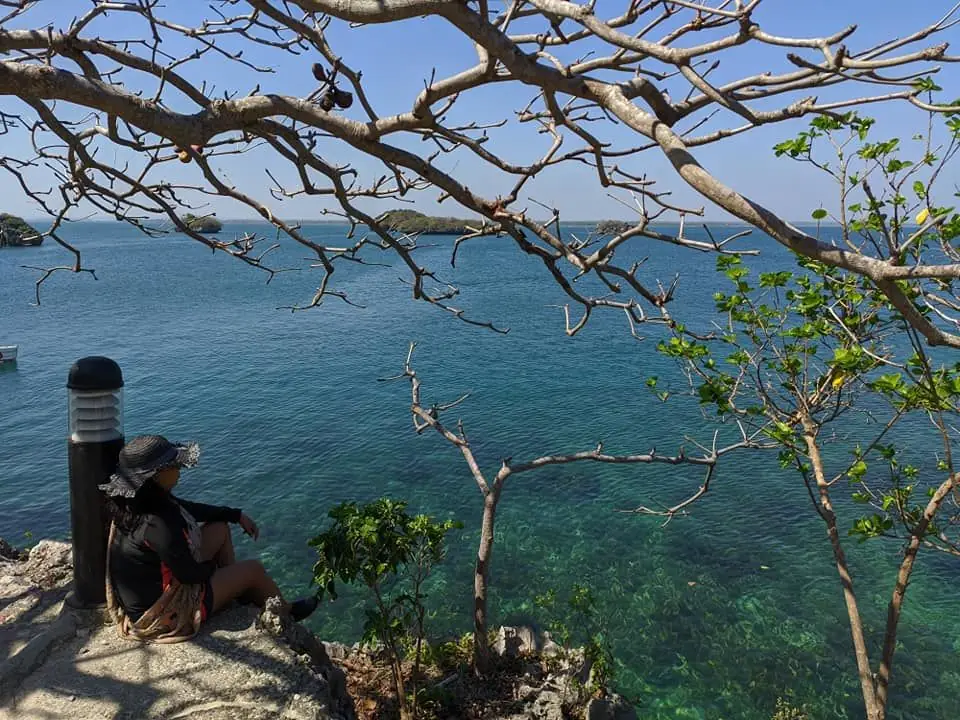
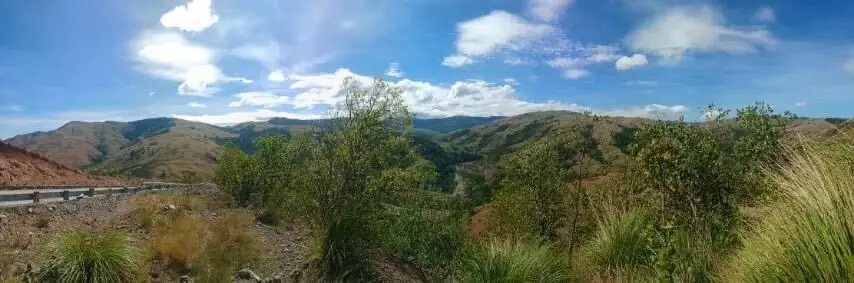
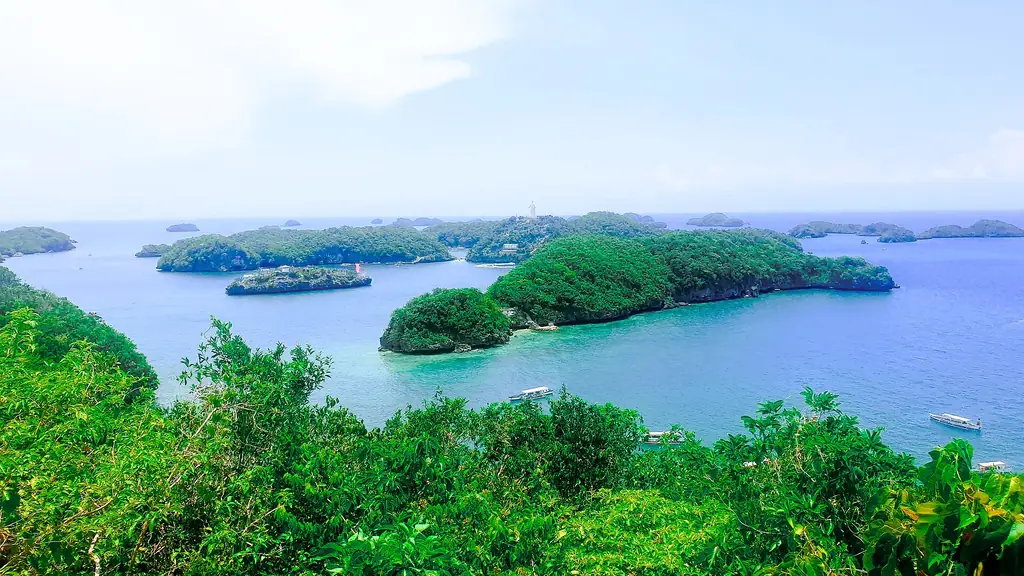
Pangasinan is the largest province in the Ilocos Region and one of the most populous in the Philippines. It occupies the western coast of Luzon facing the Lingayen Gulf, with lowland agricultural plains that feed into an interior of hills and rivers. Bangus (milkfish) farming has made it the leading producer of milkfish in the country. The Hundred Islands National Park, an archipelago of 123 islands and islets in Lingayen Gulf, is one of the Philippines' oldest national parks.

LingayenCapital
5,368 km²Area
44 municipalities, 4 citiesMunicipalities
LuzonIsland Group
Ilocos (I)Region

The Bangus Province

Bonuan in Dagupan City is the center of the Philippines' milkfish aquaculture industry. Dagupan bangus, raised in brackish fish ponds fed by tidal waters, is considered superior in flavor to fish from other areas—a claim supported by its consistently higher market price and by chefs who specify it by origin. The bangus industry employs thousands and shapes the economy, landscape, and food culture of coastal Pangasinan.

Hundred Islands: 123, Not 100

Hundred Islands National Park officially contains 123 islands at low tide. Only three have significant visitor facilities: Quezon Island, Governor's Island, and Children's Island. The park was established in 1940 and is one of the earliest declared national parks in the Philippines.

Pangasinan's name is derived from the Pangasinan language word for salt—'asin'—reflecting the province's long history of salt production along its coastal flats. The Pangasinan people were an established trading community before Spanish contact. A 14th century document, the Pangasinan Carta, records a transaction in an indigenous script, demonstrating literacy in the pre-colonial period.

1364

Pangasinan Carta

A legal document written in an indigenous script, known as the Pangasinan Carta, records a land transaction. It is evidence that the Pangasinan people had a functioning written tradition before Spanish colonization.

1572

Spanish Province Established

Pangasinan was formally organized as a Spanish province. Augustinian missionaries established missions along the coast and in the lowland interior.

1660–1661

Malong Revolt

Andres Malong led a major uprising against Spanish rule in Pangasinan, declaring himself king and briefly controlling much of the province. The revolt was suppressed by Spanish forces and Kapampangan auxiliaries. Malong was executed in 1661.

1945

MacArthur Lands at Lingayen Gulf

On January 9, 1945, American forces under General Douglas MacArthur conducted the largest amphibious landing in the Pacific War on the beaches of Lingayen Gulf. Over 200,000 troops came ashore to begin the liberation of Luzon.

AM

Andres Malong

Revolt Leaderd. 1661

Malong, a Pangasinan principalia leader, led the most significant uprising in the province's colonial history. He raised an army, declared independence from Spain, and for a brief period held much of Pangasinan and parts of adjacent provinces. His defeat came when Spanish forces with Kapampangan allies overwhelmed his position. He was publicly executed in Binalatongan (now San Carlos City).

The Pangasinan people have their own language and cultural identity distinct from the Ilocano majority in the rest of Region I. The language, Pangasinan, is spoken by over a million people and has a tradition of oral literature including the Biag ni Lam-ang, an epic poem that also exists in Ilocano versions, reflecting the cultural overlap between the two groups.

Bangus Festival and Civic Life

Dagupan City hosts the Bangus Festival each May, celebrating the milkfish industry with cooking contests, bangus-themed street art, and an outdoor market. The festival is one of the more commercially focused of the Philippine regional festivals—it is explicitly about the product that drives the city's economy, without extensive historical or mythological framing.

Urduja of Pangasinan

Urduja is a legendary warrior princess of Pangasinan mentioned in the travel account of Ibn Battuta, the 14th-century Moroccan explorer. He described a princess named Urduja who ruled in Tawalisi (possibly Pangasinan) and was known as a warrior. Whether this was historical or a traveler's embellishment remains debated.

The Lingayen Gulf landing is commemorated annually at the beachhead in Lingayen. Veterans' reunions, American and Filipino, took place for decades after the war. The provincial capitol grounds in Lingayen contain a MacArthur memorial. The history of the landing is woven into the landscape—local guides point out the beaches where specific units came ashore.

Bangus defines Pangasinan's food identity. The milkfish appears at every meal in forms ranging from fresh-grilled to fermented. Dagupan bangus prepared as boneless bangus (deboned and marinated) is sold by the thousands to Manila and abroad. Other coastal staples—oysters from Lingayen Gulf, shrimp paste, dried fish—supplement a diet that also incorporates Ilocano-influenced vegetable stews.

Pinapaitan na Bangus

Bangus belly cooked in a souring broth with tamarind or kamias, similar to sinigang. The 'pinapaitan' name refers to the bitterness introduced by bile—though most contemporary versions omit bile and rely on tamarind alone. A staple breakfast dish in Pangasinan, served with rice.

Longganisang Calasiao

Tiny, sweet pork sausages from Calasiao, Pangasinan—one of the most distinctive regional longganisa in the Philippines. The sausages are very small (no larger than a thumb), sweet-cured, and fried until the casing crisps. They are sold by the tray in Calasiao markets and shipped to Manila. A standard breakfast accompaniment with garlic rice and fried egg.

Sinigang na Bangus

Pangasinan
15 minutesPrep
25 minutesCook
4–6Serves
Ingredients
  • 1 kg, cleaned and slicedwhole bangus (milkfish)
  • 200g, or 1 packet sinigang mixtamarind
  • 8 cupswater
  • 3 medium, quarteredtomatoes
  • 1 large, quarteredonion
  • 1 medium, slicedradish (labanos)
  • 1 medium, cuteggplant
  • 1 bunchkangkong (water spinach)
  • 2 tbspfish sauce
  • 2 piecesgreen finger chili
Method
  1. Boil water with tamarind (mashed and strained) or sinigang mix.
  2. Add tomatoes and onion. Simmer 5 minutes.
  3. Add radish and eggplant. Cook 5 minutes.
  4. Add bangus slices carefully to avoid breaking the fish.
  5. Simmer 8–10 minutes until fish is just cooked through.
  6. Add kangkong and chili in the last 2 minutes. Season with fish sauce.
  7. Serve hot immediately.
Cook's note

Bangus bones are numerous and fine. Dagupan bangus is available deboned in Manila markets, which makes the sinigang easier to eat. If using whole fish, warn diners. The flavor difference between fresh Pangasinan bangus and farmed fish from elsewhere is real and worth seeking out.

Pangasinan is the primary language of the province's lowlands and has about 1.5 million speakers. Ilocano is widely spoken in the northern municipalities and wherever Ilocano migrants have settled. Tagalog and English are used in schools, government, and commerce. The four cities of Pangasinan—Dagupan, San Carlos, Urdaneta, and Alaminos—function as linguistic mixing grounds.

PangasinanPrimary
Ilocano, Tagalog, KapampanganAlso spoken
~1.5 million (Pangasinan)Speakers
Biag ni Lam-ang

The epic Biag ni Lam-ang (Life of Lam-ang) exists in both Ilocano and Pangasinan versions. The Pangasinan version, less well known than the Ilocano, features the same extraordinary hero—Lam-ang—who spoke at birth, grew up in days, and performed impossible feats. It is one of the few pre-colonial oral epics to survive in written form.

4–5 hours by bus to Dagupan or AlaminosFrom Manila
Five Star Bus from Pasay; Dagupan Bus from CubaoMain bus terminals
From Lucap Wharf, AlaminosHundred Islands
December to MayBest months

Places to Visit

Hundred Islands National Park

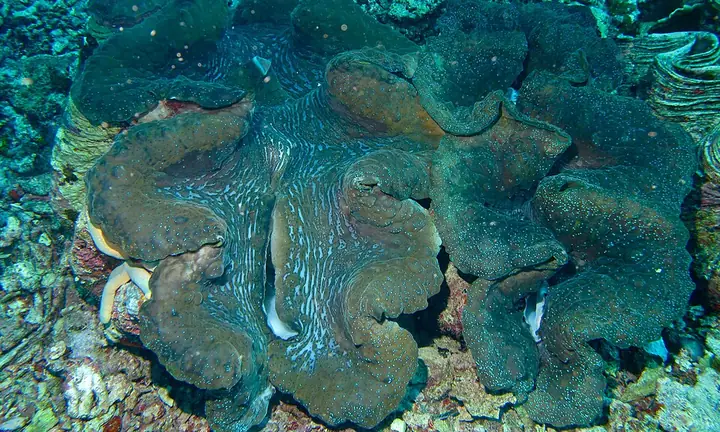
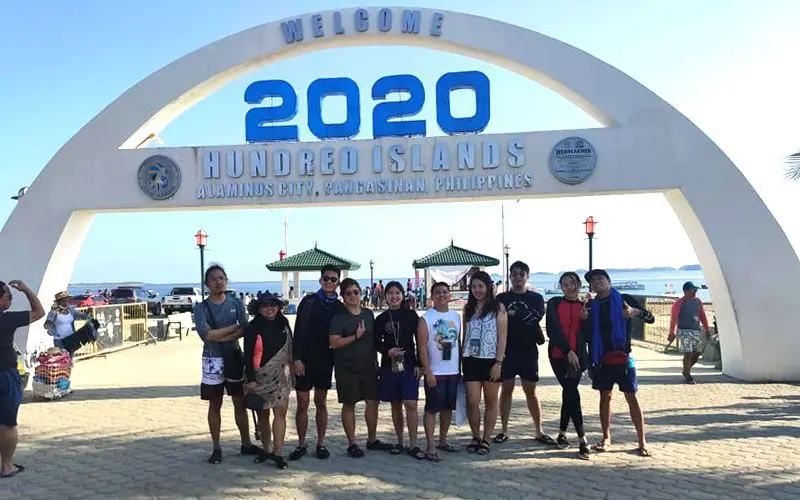
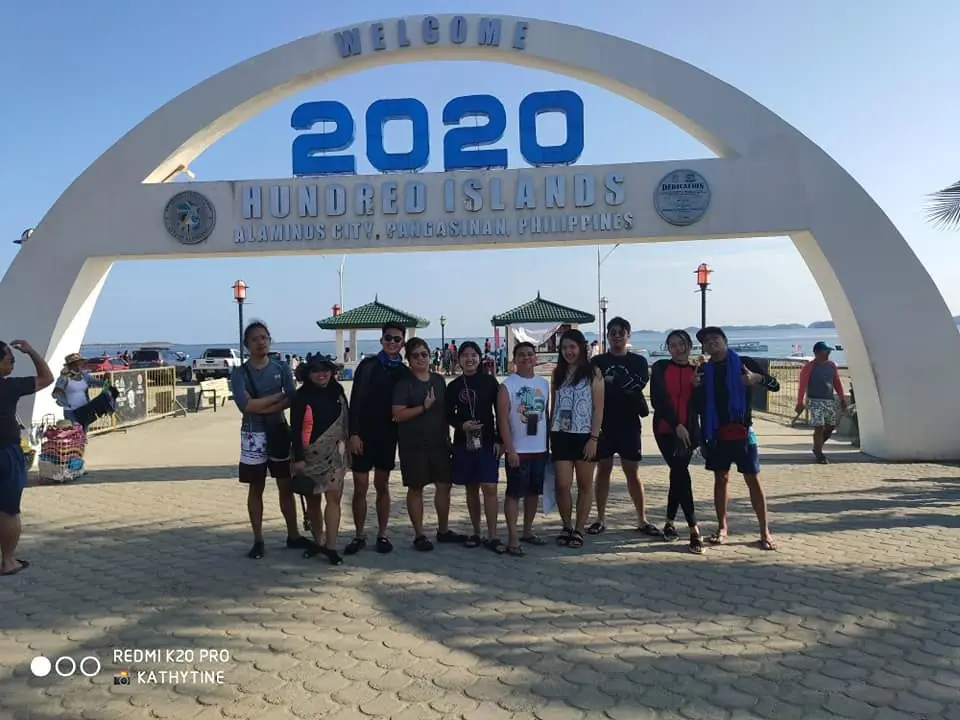
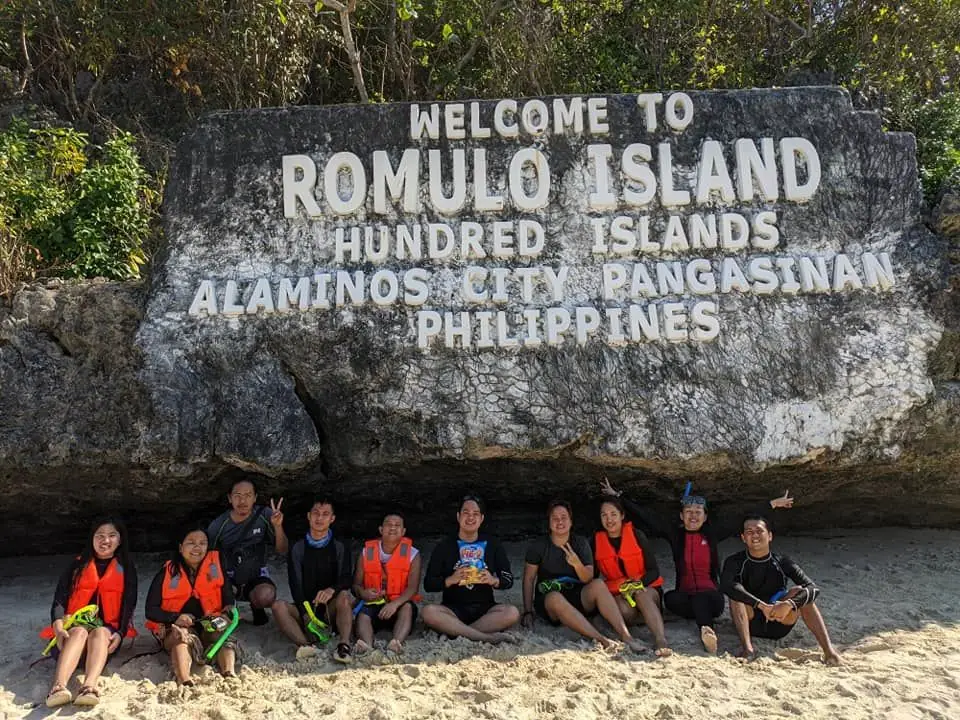
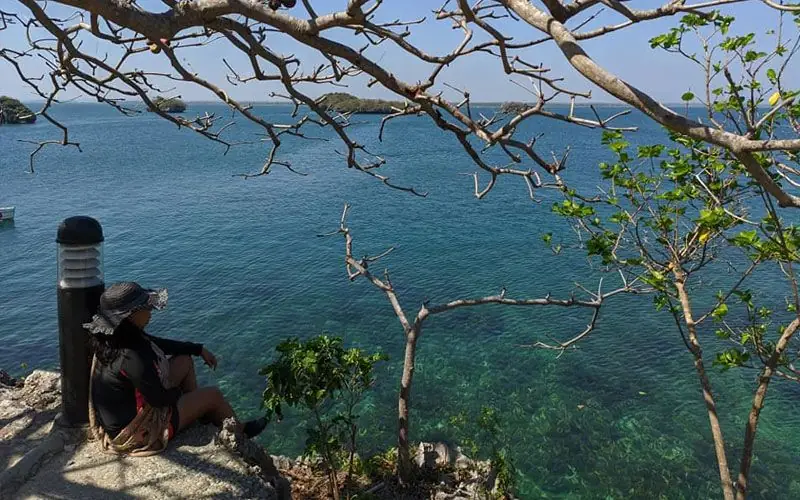
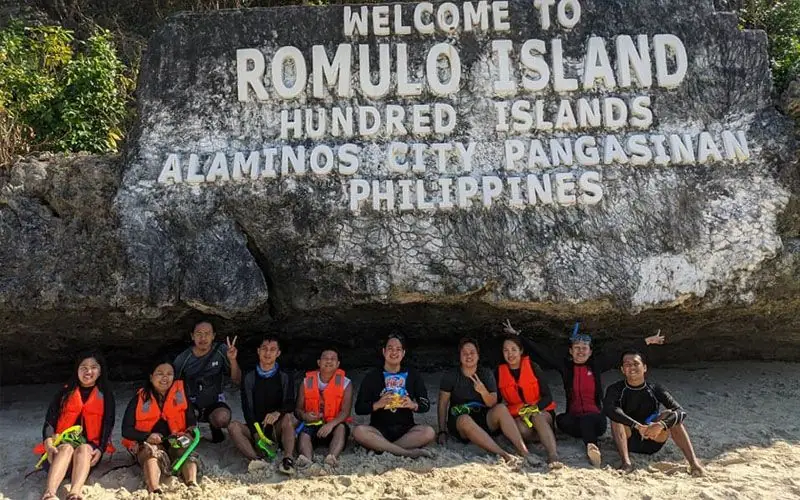
The 123 islands of Lingayen Gulf are explored by outrigger boat hired from Lucap Wharf in Alaminos City. Three islands have basic facilities—cottages, picnic areas, a small zipline on Governor's Island. The park is best enjoyed at low tide when exposed rock formations and beach areas expand. Snorkeling around the islands reveals healthy coral in some areas.

Lingayen Gulf Landing Beaches

The beaches between Lingayen and Dagupan where the January 1945 amphibious landing took place are now quiet fishing communities. A MacArthur memorial and historical markers at the Lingayen provincial capitol commemorate the landing. The beach itself is broad and flat—visible evidence of why it was chosen for an amphibious operation.

Dagupan City Bangus Market

The public market in Dagupan City is the best place in the Philippines to see and buy fresh bangus in all its preparations—whole, deboned, marinated, smoked, and fermented. The fish ponds surrounding the city are visible from the main roads. Grilled bangus and bagnet stalls line the market area.

Hundred Islands Logistics

Boat hire at Lucap Wharf is organized by barangay boat operators. Agree on the itinerary and price before departing. The standard tour visits three to five islands and takes half a day. Bring sunscreen, drinking water, and snorkel gear if possible—rentals at the wharf are limited.

The Beach at Lingayen

In January 1945, the beach at Lingayen was the largest single concentration of amphibious shipping in the Pacific War. Over 200,000 American and Filipino soldiers came ashore across a 30-kilometer stretch of Lingayen Gulf over four days. The operation was preceded by naval bombardment and air attacks. Japanese kamikaze planes struck Allied ships in the gulf, killing hundreds before the troops landed. It was, by any measure, an enormous event.

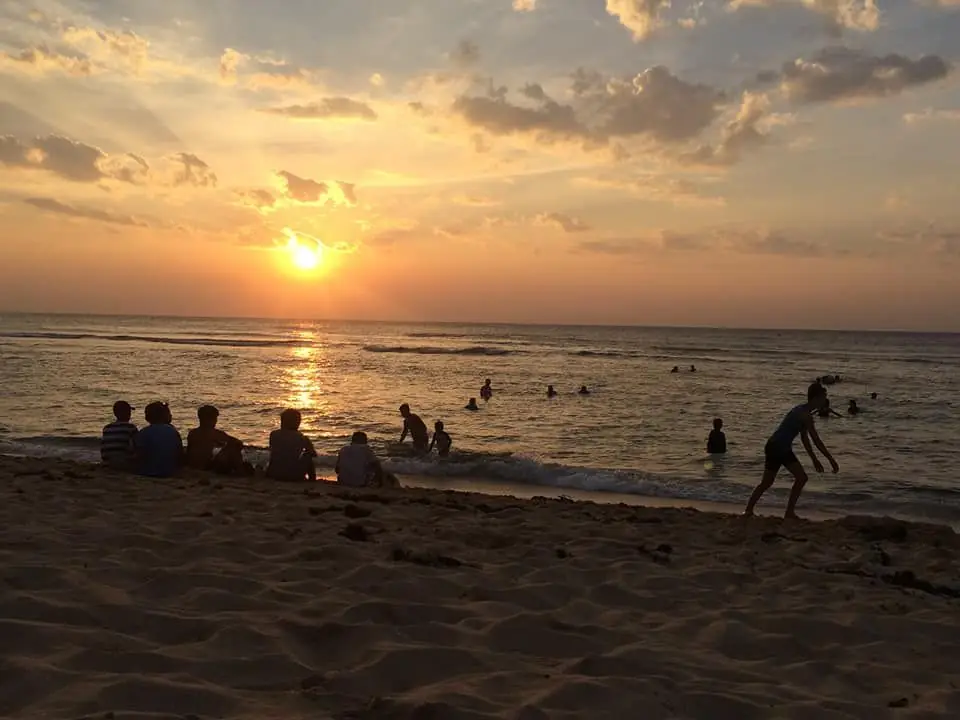
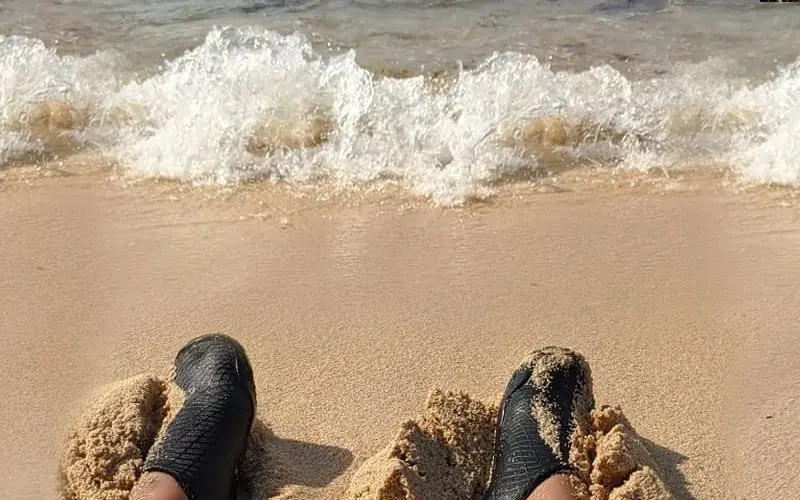
The beach today is quiet. Children swim in the gulf in the afternoons. Fishing boats rest on the sand. The horizon is empty. A person standing on the beach without knowing the history would see only a long flat coastline, pleasant if unremarkable. The markers at the provincial capitol a few kilometers away give the numbers—tonnage, troop counts, dates—that make the scale comprehensible.

General MacArthur waded ashore at the Lingayen beach, as he had done at Leyte two months earlier, for the cameras. The photograph of MacArthur striding through knee-deep surf was the defining image of Philippine liberation in the American press. What is less photographed is the months of fighting that followed as Allied forces moved south toward Manila, the civilian toll, the destruction. The landing was a beginning, not an end. The beach at Lingayen is where that particular beginning happened.