Map

Romblon

MIMAROPA
Visayas
Capital Romblon
Population 310,141
Area 1,335 km²
Municipalities 17
Cities 0
Island Group Visayas
Languages Romblomanon, Onhan, Tagalog

Romblon is an island province in MIMAROPA, scattered across a group of islands between Luzon, Visayas, and Mindoro in the Sibuyan Sea. Its three main islands—Romblon, Tablas, and Sibuyan—have distinct characters. The province is best known internationally for its marble: pure white Romblon marble has been quarried for centuries and is considered comparable to Italian Carrara marble in quality. The province's modest size belies its geological and cultural distinctiveness.

RomblonCapital
1,335 km²Area
17Municipalities
VisayasIsland Group
MIMAROPA (IV-B)Region

The Marble Province

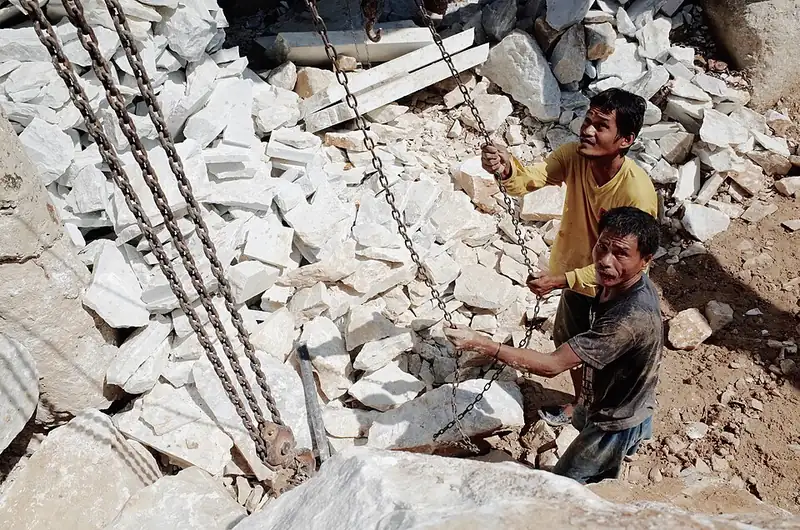
Romblon marble has been quarried on the island of Romblon for at least several centuries. The marble—white with grey veining, structurally dense and high in calcium carbonate—is present in large deposits accessible from the surface. Craftsmen on the island work it into floor tiles, statuary, furniture, and decorative objects. Several buildings in Manila and Cebu have Romblon marble floors. The marble industry remains small-scale but is the province's most internationally recognized product.

Mount Guiting-Guiting

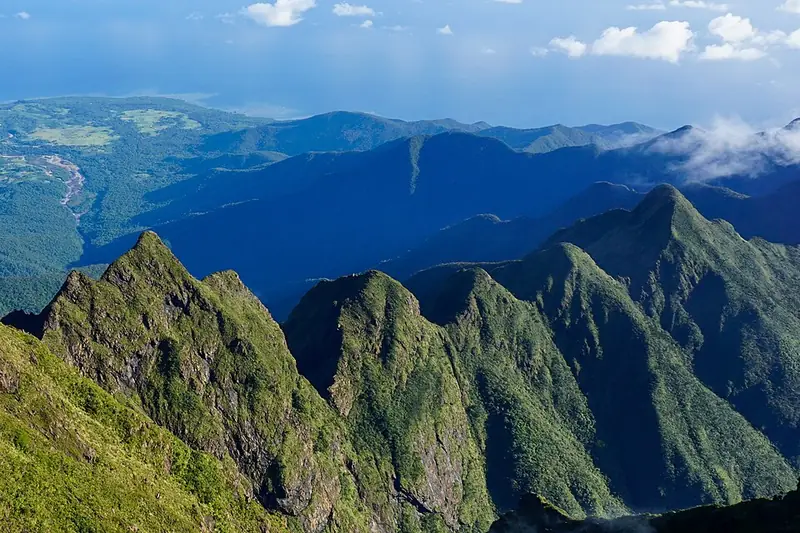
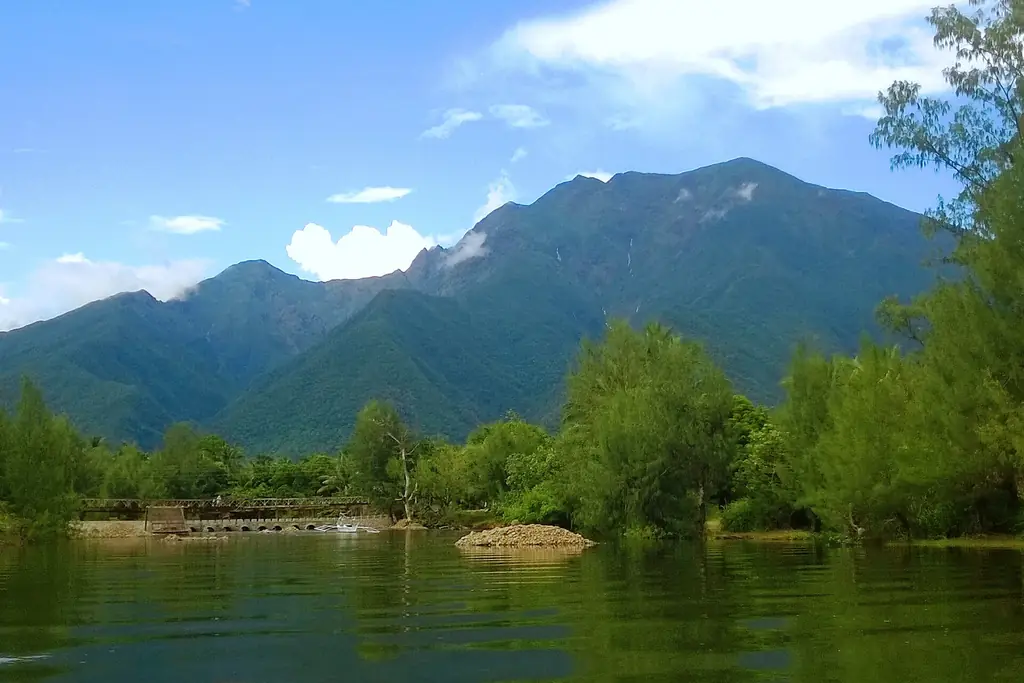
Sibuyan Island, the easternmost of Romblon's main islands, contains Mount Guiting-Guiting (2,058 meters). The mountain is considered one of the most technically challenging climbs in the Philippines—its summit ridge requires Class 4–5 rock scrambling. It is surrounded by Sibuyan Island Natural Park, which has exceptional biodiversity due to the island's long isolation.

Romblon's islands were inhabited by Austronesian peoples and were known to traders moving between Luzon and the Visayas. The Spanish established a mission on Romblon Island in the early 17th century. The province's isolation in the Sibuyan Sea limited colonization and also made it a refuge during periods of regional conflict.

1635

Augustinian Recollects Establish Romblon Mission

Augustinian Recollect missionaries formally established a mission on Romblon Island, beginning the systematic Catholic conversion of the island population. The Romblon Church (St. Joseph Parish) dates its foundations to this period.

1853

Romblon Becomes a Province

Romblon was formally constituted as a separate province under Spanish colonial administration, distinct from the larger provincial units that had previously administered the islands.

1901

American Period Reorganization

American colonial reorganization confirmed Romblon as a province. The islands' marble deposits began attracting commercial attention during this period.

1996

Sibuyan Island Natural Park

Sibuyan Island and Mount Guiting-Guiting were declared a protected area, recognizing the island's unique biodiversity—it has been isolated long enough to develop distinct endemic species found nowhere else.

Romblon's culture is a blend of Tagalog, Bisayan, and a distinct local identity that developed from centuries of relative isolation. The primary language, Asi (also called Bantoanon), is spoken on Banton Island and parts of the province. Romblomanon is spoken on Romblon Island itself. The different islands have different primary languages, reflecting the separation created by the sea between them.

Marble Craft Tradition

The craft of working Romblon marble is passed down through families on the main island. Workshops in Romblon town cut and carve marble into objects ranging from utilitarian (mortars and pestles, bookends) to architectural (floor tiles, countertops) to decorative (statuary, jewelry). The skill required to cut marble accurately without power tools—using wire saws and abrasives—represents knowledge accumulated over generations.

Banton Cloth

The oldest surviving pre-colonial textile in Southeast Asia was found on Banton Island, Romblon. The Banton Cloth, woven in the 13th–14th century from silk and cotton, is preserved at the National Museum of the Philippines. It demonstrates that Romblon was part of the regional silk trade network centuries before Spanish contact.

The Biniray Festival in Romblon, held in January, celebrates the feast of the Santo Niño with street processions and cultural events. Tablas Island has its own set of municipal festivals, and Sibuyan's annual events draw the smaller population of that island together. The sea between the islands means that provincial solidarity is partly an administrative concept and partly genuine—connected by the shared identity of island-living.

Romblon's food is primarily seafood-based, reflecting the province's island geography. Fish, shellfish, and seaweed are the primary proteins of coastal communities. The inland areas of Tablas and Sibuyan produce vegetables and root crops. The food traditions are close to Tagalog coastal cooking, with some Bisayan influences in seasoning preferences.

Ginataang Pusit

Squid (pusit) cooked in coconut milk with chili, garlic, onion, and ginger. The ink from the squid is sometimes left in, turning the sauce dark. A standard dish along the Romblon coast—squid is abundant in the Sibuyan Sea and coconut milk is available from the province's coconut trees.

Inubaran na Manok

Chicken cooked with unripe banana blossom (puso ng saging) and coconut cream. The banana blossom absorbs the coconut milk and becomes tender, complementing the chicken. A common dish in Visayan-influenced provinces, with variations found across the island groups.

Ginataang Langka (Jackfruit in Coconut Milk)

Romblon / MIMAROPA
20 minutesPrep
40 minutesCook
4–6Serves
Ingredients
  • 500g, cut into chunksunripe jackfruit (langka)
  • 300g, cut into small piecespork belly
  • 2 cupscoconut milk
  • 1 cupcoconut cream
  • 4 cloves, mincedgarlic
  • 1 medium, slicedonion
  • 1 tbspshrimp paste (bagoong)
  • 2 pieceslong green chili
  • to tastefish sauce
Method
  1. Sauté garlic and onion until softened. Add pork and brown.
  2. Add jackfruit and coconut milk. Bring to a simmer.
  3. Cook uncovered 20–25 minutes until jackfruit softens and absorbs the milk.
  4. Add coconut cream, bagoong, and chili. Simmer 10 more minutes.
  5. Season with fish sauce. The sauce should be thick and richly flavored.
Cook's note

Use unripe (green) jackfruit for this dish—ripe jackfruit is sweet and not suitable. Oil your hands and knife before cutting jackfruit; the sap is extremely sticky. Canned unripe jackfruit works as a substitute outside the Philippines.

Romblon province has several distinct languages across its islands. Romblomanon (Onhan) is spoken on Romblon and Sibuyan Islands. Asi (Bantoanon) is spoken on Banton Island. Sibuyanon is spoken on Sibuyan. Tagalog is widely understood due to Manila media and migration. The linguistic diversity within this small province reflects centuries of island isolation.

Romblomanon (Onhan)Romblon Island
Asi (Bantoanon)Banton Island
Romblomanon, TagalogTablas Island
Tagalog, FilipinoTrade language
Asi Language

Asi (Bantoanon) is spoken by about 80,000 people, primarily on Banton Island and in diaspora communities in Manila and abroad. It is a Visayan language more closely related to Cebuano and Waray than to the Tagalog-family languages of the other Romblon islands, reflecting the different historical contacts of Banton Island.

Ferry from Batangas Port to Romblon (~7–9 hours overnight)From Manila
Ferry from Roxas, Oriental Mindoro or Odiongan, TablasAlso
March to May (calmest seas)Best months
Sibuyan Sea can be rough November–FebruaryNote

Places to Visit

Romblon Town Marble Workshops

The marble workshops in Romblon town are the most accessible entry point to the marble craft tradition. Workshops along the road from the port display and sell finished pieces—tiles, statuary, household items—and craftsmen can often be observed working. The adjacent Marble Belt quarry site is visible from the road above town.

Fort San Andres

A Spanish-era stone fort overlooking Romblon town and its harbor. Built in the 17th century to defend against Dutch and Moro raiders. The fort is compact but well-preserved and offers views of the surrounding islands. A short walk from the port area.

Mount Guiting-Guiting (Sibuyan Island)

For experienced mountaineers, Guiting-Guiting (locally nicknamed 'G2') is one of the Philippines' most demanding climbs. The approach to Sibuyan requires a separate ferry journey from Romblon town or from Batangas. Registration with the DENR protected area office in San Fernando, Sibuyan is required, and guides are mandatory.

Ferry Schedule Uncertainty

Ferry schedules to Romblon from Batangas change seasonally and can be suspended during bad weather. Confirm departures no more than 24 hours before travel. The RORO ferry to Odiongan (Tablas Island) is more frequent than services to Romblon town itself.

White Stone

The marble quarries above Romblon town have been worked for so long that the workers who cut stone there today are cutting into a hillside shaped by their grandfathers' work. The geology is simple: a belt of pure white marble formed from limestone compressed by geological pressure runs through the island, accessible from the surface, clean and consistent enough to cut into large blocks without inclusions that would crack a finished piece.

The quarrying is done partly by machine and partly by hand—diamond wire saws for cutting, hand tools for shaping. The marble workshops in town are small and family-run. A craftsman cutting a floor tile is not performing art; he is doing production work. A craftsman carving a Virgin Mary is doing something else—applying a skill learned from a relative to a product that will end up in a church or a home, indistinguishable to the buyer from mass-produced alternatives except in the grain of the stone.

Italian Carrara marble built Florence's churches and Rome's monuments. Romblon marble built Philippine government buildings and was used in the National Museum. The comparison is made by people from Romblon as a point of pride, and the geological comparison holds up—the composition, hardness, and workability are similar. What differs is scale, history, and the economic system behind the industry. In Romblon, the marble trade is measured in workshops rather than quarry companies, in family craft rather than industrial extraction. The stone is the same quality. The world that uses it is arranged differently.