Map

Sarangani

SOCCSKSARGEN
Mindanao
Capital Alabel
Population 578,104
Area 3,602 km²
Municipalities 7
Cities 0
Island Group Mindanao
Languages Cebuano, B'laan, Maguindanaon, Ilocano

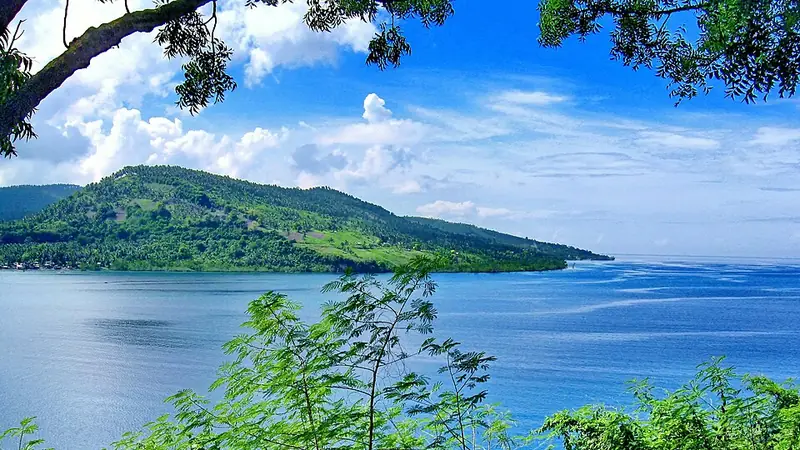
Sarangani faces the Celebes Sea at the southernmost arc of Mindanao — a province of coastal fishing communities, highland indigenous territories, and tuna-rich waters that connect it economically to the giant tuna port of General Santos City next door. It is a young province in administrative terms but an ancient one in human terms.

AlabelCapital
3,602 km²Area
7Municipalities
MindanaoIsland Group

The B'laan and Blaan indigenous peoples have lived in the interior mountains of Sarangani for centuries, their communities predating the administrative boundaries that now define the province. Sarangani Bay, one of the richest fishing grounds in Mindanao, drives an economy built on yellowfin tuna, prawn, and seaweed.

Pacquiao Country

Manny Pacquiao — the only eight-division world boxing champion in history — is from General Santos City, the highly urbanised city adjacent to Sarangani. He served as Sarangani's representative in Congress from 2010 to 2016. The province claims him with full provincial pride.

B'laan and the Pre-Colonial Interior

The B'laan people have occupied the interior highlands of southern Mindanao — across what is now Sarangani, South Cotabato, and Davao del Sur — for as long as any oral record reaches. Their name, in their own language, means 'people of the house opposite' — a reference to their neighbours rather than a self-description, but one that has attached itself permanently.

1954

Cotabato Reorganisation

Sarangani's territory was carved from Cotabato province during the 1954 reorganisation of southern Mindanao. The area had been administered loosely from Cotabato but was geographically and culturally distinct — the coastal fishing communities of Sarangani Bay had different concerns from the inland agricultural communities of the Cotabato basin.

1992

Sarangani Becomes a Province

Sarangani was formally constituted as a separate province in 1992, carved from the western portion of South Cotabato. Alabel was designated as the capital — a planned town built specifically to house the provincial government rather than an established settlement chosen for its history.

2003

Sarangani Bay Protected Seascape

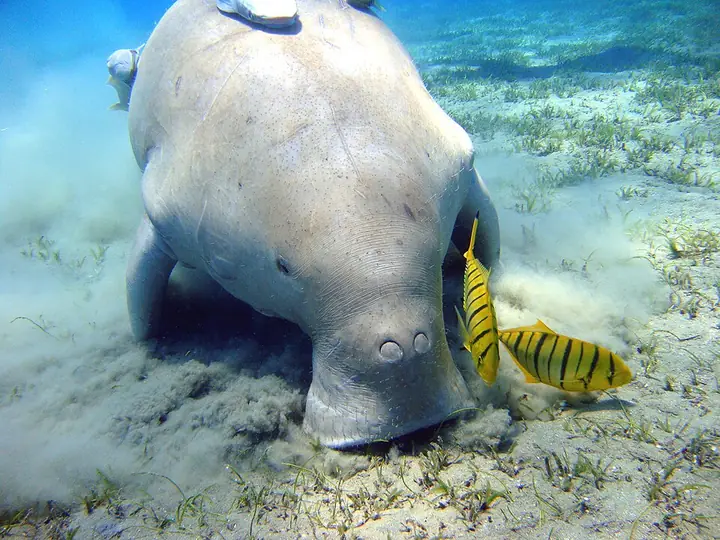
Sarangani Bay was declared a protected seascape under the National Integrated Protected Areas System. The bay — one of the deepest natural harbours in Mindanao — is a critical habitat for reef fish, sea turtles, dolphins, and the yellowfin tuna that sustain the regional fishing industry.

Sarangani's cultural identity is built around two poles: the indigenous B'laan and Blaan communities of the interior, who maintain weaving traditions, ritual practices, and ancestral domain claims; and the coastal fishing and trading communities who have built their lives around Sarangani Bay.

B'laan Weaving

The B'laan are known across Mindanao for their abaca cloth, beadwork, and brass ornaments. Their traditional mabal textile — woven from abaca fibre and decorated with geometric patterns in red, black, and white — is among the most technically accomplished indigenous weaving traditions in the Philippines. Each pattern encodes community identity and, in some cases, family lineage.

The Inambal Dance

The Inambal is a traditional B'laan ritual dance performed during celebrations, harvests, and the resolution of community conflicts. Performers wear elaborate beaded costumes and brass ornaments. It has been included in Philippine national cultural heritage documentation and is performed at provincial festivals.

Lubi-Lubi Festival

Sarangani's provincial festival — the Lubi-Lubi — celebrates the coconut (lubi in local dialect) as the province's primary agricultural product alongside tuna. Street dancing, cultural presentations, and trade fairs mark the annual celebration of both the fishing and farming communities.

Sarangani eats from the bay. Yellowfin tuna — caught in the deep waters of the Celebes Sea and processed in General Santos City's massive tuna port — is the defining ingredient of the region's cuisine. Fresh tuna here is not a luxury item. It is a staple.

Tuna Kinilaw

The raw tuna preparation of Sarangani and General Santos: thick cubes of fresh yellowfin tuna dressed in coconut vinegar, ginger, red onion, siling labuyo, and fresh cucumber. The tuna's quality makes the dish — fish that has been in the water within hours of serving needs nothing added. The vinegar is the lightest possible touch.

Grilled Yellowfin (Inihaw na Tambakol)

A thick steak of yellowfin tuna, scored and rubbed with salt and calamansi, grilled over coconut shell charcoal. In the fishing communities of Sarangani, this is the everyday meal. The proximity to the source means the fish is always at its freshest. Serve with rice and a dipping sauce of local vinegar and siling labuyo.

General Santos Tuna Festival

The General Santos Tuna Festival in September is the largest tuna-themed event in Asia. Tuna processing, cooking competitions, and the crowning of a Tuna Queen mark the week. The adjacent General Santos public market has one of the most impressive fresh tuna displays in the country — walls of frozen fish, buyers in at 4am.

Cebuano and Filipino serve as the main languages of communication across Sarangani's coastal and lowland communities. The highland interior is home to the B'laan language — an Austronesian language of the Bilic branch, distinct from both Cebuano and the other indigenous languages of southern Mindanao.

B'laan Language

B'laan is spoken by an estimated 200,000 people across the provinces of Sarangani, South Cotabato, Davao del Sur, and Sultan Kudarat. It has several dialects corresponding to geographic distribution across the highlands. The language encodes a detailed knowledge of the mountain ecology — plant names, animal behaviour, agricultural cycles — that exists in no other form.

Language Documentation

The Summer Institute of Linguistics has worked with B'laan-speaking communities to document and translate the language. A B'laan New Testament exists, and literacy materials in the B'laan script have been developed, though most younger B'laan speakers are functionally bilingual in Cebuano.

Sarangani is reached via General Santos City — the commercial hub of SOCCSKSARGEN, with daily flights from Manila and Cebu. The province's seven municipalities spread out from General Santos along the Sarangani Bay coastline and into the highland interior.

1.5 hrs (air to GenSan)From Manila
General Santos InternationalAirport
Dec–MayBest season
via General Santos CityKey access

Sarangani Bay

The bay sweeps from General Santos City to the southern tip of Mindanao — a long crescent of water known for its dolphins, whale sharks (seasonal), and the deep-water tuna that have made it economically significant. Boat tours from Alabel and the coastal municipalities offer dolphin watching in the early morning.

Glan Beach

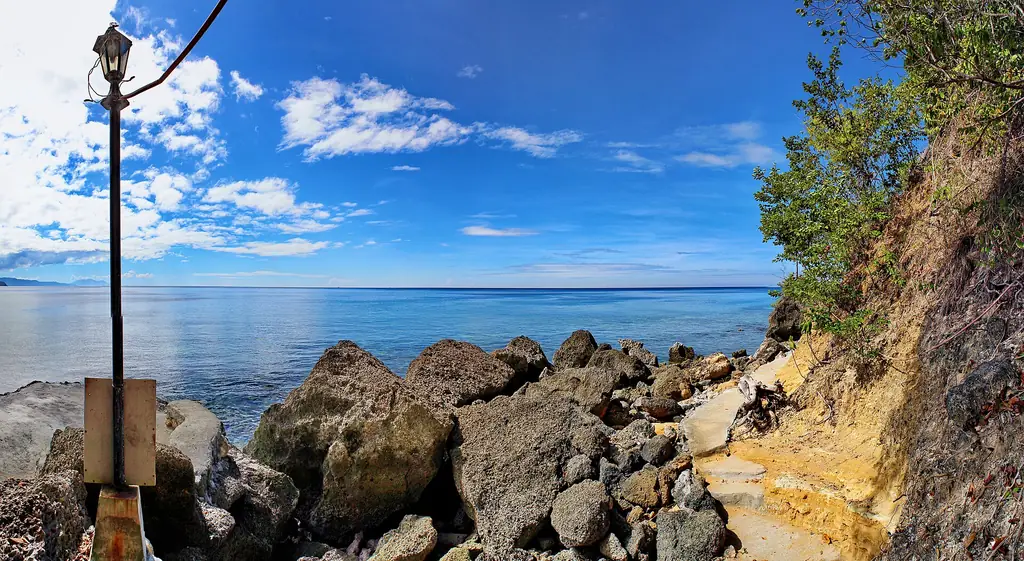
The town of Glan on the southern coast of Sarangani has some of the cleanest and least-visited beaches in southern Mindanao. Clear water, white sand, and no tourist infrastructure to speak of. The road from General Santos to Glan passes through fishing villages and coconut plantations.

Mount Busa

The highest peak in SOCCSKSARGEN at 2,064 metres, Mount Busa straddles Sarangani and South Cotabato. A challenging multi-day trek through B'laan ancestral territory, passing through cloud forest and rocky ridgelines. A local guide is required — B'laan communities control access to the mountain.

Arriving Through GenSan

General Santos City's tuna market and the nearby KCC Mall anchor the commercial district. Stay in GenSan and day-trip into Sarangani. The provincial capital Alabel is 20 minutes from GenSan — functional, not a tourist destination.

The Fighter and the Province

Manny Pacquiao grew up in General Santos City — technically a separate highly urbanised city, but the city that defines the region and that Sarangani wraps around on three sides. He has been the province's congressman. He has been a senator. He has fought for the WBC title in Las Vegas and returned to General Santos to a crowd of millions lining the road from the airport.

The question that the province asks itself, through Pacquiao, is the same question that every provincial Philippine community asks: what does success mean when it happens somewhere else? Pacquiao trained in the General Santos gym, earned his titles in America, and built his legend in the capital. But the origin story is always Sarangani. The province holds the beginning of the story, even when the story moves on.

The tuna workers of General Santos port and the B'laan farmers of the highland interior share a province with the most famous fighter in Philippine history. They share it without ceremony — Pacquiao is simply from here, the way the yellowfin tuna and the mountain fog and the coconut palms are simply from here. The province does not need his fame to know what it is.