Map

Sorsogon

Bicol Region
Luzon
Capital Sorsogon City
Population 827,689
Area 2,142 km²
Municipalities 14
Cities 1
Island Group Luzon
Languages Sorsogon Bikol, Tagalog

Sorsogon is the southernmost province of Luzon — the final landmass before the San Bernardino Strait separates the largest island from the Visayas. It ends in Matnog, where the ferry to Samar waits, and the traveller who has been driving south from Manila reaches the edge of the island.

Sorsogon CityCapital
2,141 km²Area
14Municipalities
LuzonIsland Group

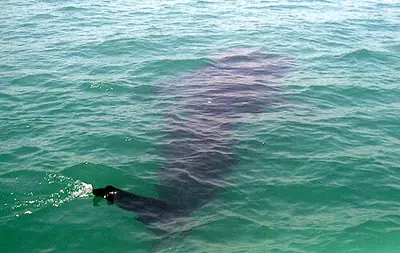
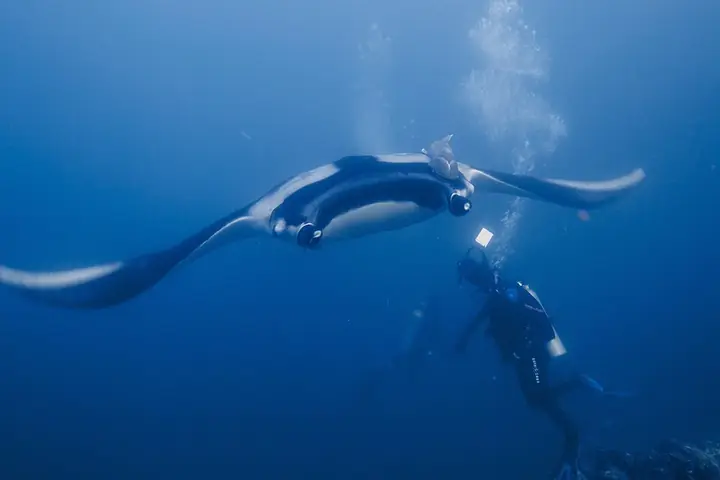
Donsol municipality is the reason many travellers come to Sorsogon. Every year from November to June, whale sharks — butanding in the local language — congregate in the waters off Donsol in numbers that represent the largest known gathering of the world's largest fish. They come to feed on the plankton blooms in the Ticao Pass.

The Butanding

Whale sharks were traditionally hunted in Donsol until the 1990s, when an international research team quantified the population and the World Wildlife Fund partnered with local government to convert the fishing community into an ecotourism industry. The transition took less than a decade. Donsol is now the model for responsible whale shark tourism globally.

Crossroads of the Archipelago

Sorsogon's geography made it a transit point for centuries. The San Bernardino Strait between Luzon and Samar was one of the major maritime routes of the pre-colonial archipelago, and the communities at Matnog and Bulan controlled passage through it. The Spanish understood this and established Sorsogon as a strategic province early in the colonial period.

1894–1896

Jose Rizal's Exile — The Final Passage

Jose Rizal passed through Sorsogon on his way to Dapitan, Zamboanga del Norte in 1892, and again on his return journey in 1896 before his arrest and execution. The Matnog crossing — the same strait travellers use today — was the last Philippine landscape he saw before being taken to Manila. Rizal scholars note that he described the southern Luzon scenery in letters written during this journey.

1948

Sorsogon Becomes an Independent Province

Sorsogon was formally constituted as a separate province, having been previously administered as part of Albay province. The separation recognised the distinct character of the southernmost tip of Luzon — geographically and culturally different from the Mayon Volcano region of Albay.

1998

Donsol Whale Shark Tourism Begins

The first organized whale shark interaction tours in Donsol began in 1998, following the WWF-Philippines documentation of the butanding population. By 2002, Donsol had been identified by the WWF as the best place in the world to swim with whale sharks.

Sorsogon's culture is Bikolano at its root — sharing language, food, and Catholic tradition with the broader Bicol Region. But the southernmost position gives it a sense of being the end of something, and the communities of the Donsol coast have developed a distinctly maritime identity built around the sea and its creatures.

The Donsol Transition

The transformation of Donsol from a whale shark hunting community to a whale shark tourism community is one of the most cited conservation success stories in Southeast Asia. Fishermen became butanding interaction officers — trained guides who ensure that tourists approach the whale sharks without touching or disturbing them. The income from tourism replaced and eventually exceeded what hunting had provided.

Kasanggayahan Festival

Sorsogon's provincial festival — Kasanggayahan — is held each October and brings together the province's municipalities in street dancing, cultural presentations, and sports competitions. The name means 'togetherness' in Bikolano. The festival celebrates both the province's natural heritage and its Bikolano cultural identity.

Bulusan Volcano

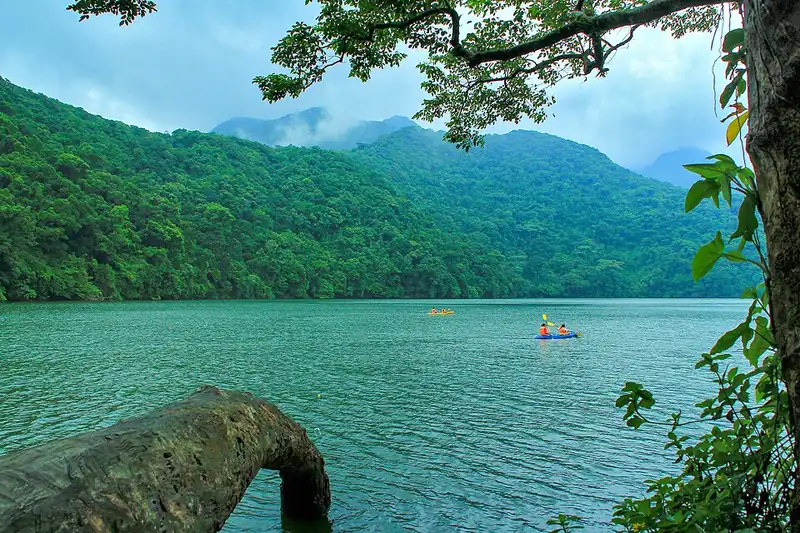
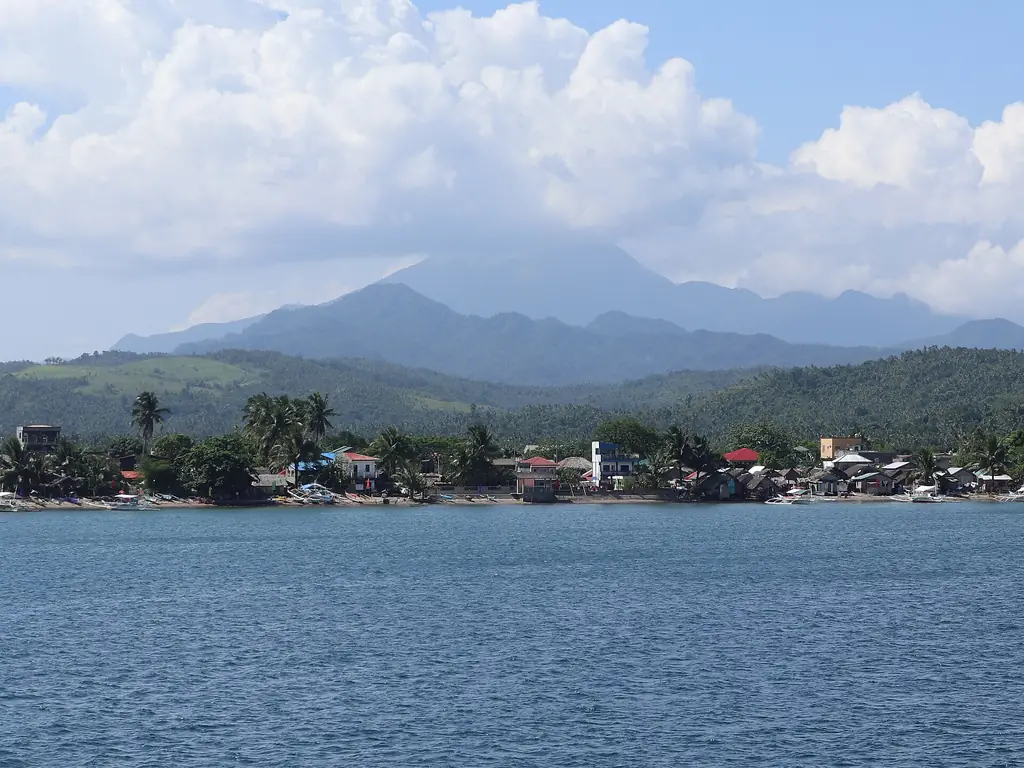
Mount Bulusan — Sorsogon's active volcano — erupts periodically, most recently with phreatic explosions in the 2010s. The Bulusan Volcano Natural Park surrounding it is one of the few old-growth forest remnants in the Bicol Region. The lake at the volcano's base is a popular if occasionally evacuated picnic area.

Sorsogon's food follows the Bikolano tradition — defined by coconut milk, chilli, and fresh seafood — with the seafood profile of the southernmost province adding its own emphases. The waters of the Ticao Pass and San Bernardino Strait deliver an abundance of pelagic fish alongside the whale sharks.

Pili Nut Dishes

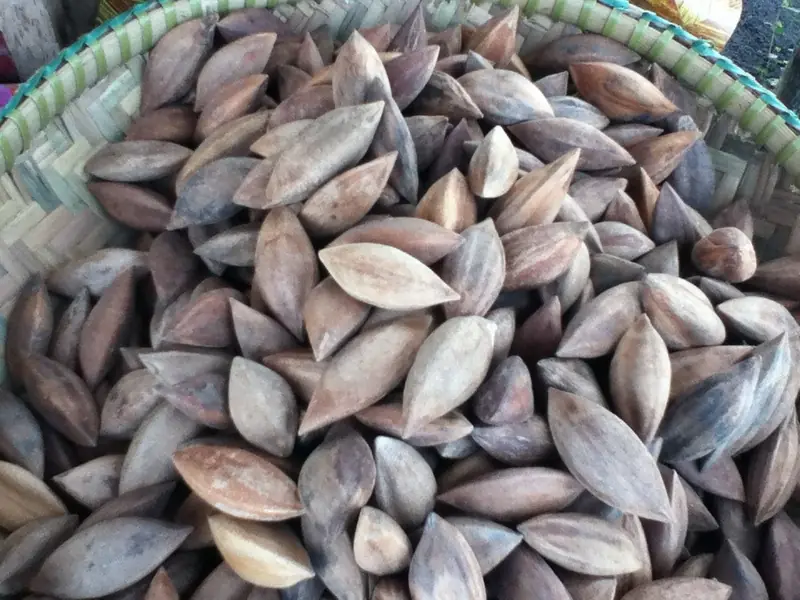
The pili nut — native to the Bicol Region and grown widely in Sorsogon — is one of the Philippines' most distinctive ingredients. Candied pili, pili-based pastillas, pili oil for cooking, and pili tarts are the standard pasalubong of the province. The nut has a rich, buttery flavour stronger than cashew or macadamia.

Bicol Express

Bicol Region — attributed to Sorsogon and Camarines Sur equally
15 minPrep
35 minCook
6Serves
Ingredients
  • 500gPork belly, cubed
  • 250gSiling haba (long green chilli), sliced
  • 6–10, to tasteSiling labuyo (bird's eye chilli)
  • 2 cupsCoconut milk (gata)
  • 1 cupCoconut cream (kakang gata)
  • 2 tbspShrimp paste (bagoong alamang)
  • 6 clovesGarlic, minced
  • 1 largeOnion, chopped
Method
  1. Blanch the long green chillies in salted boiling water for 2 minutes. Drain and squeeze out excess liquid. This removes some bitterness and reduces the raw vegetable texture.
  2. Sauté garlic and onion in oil until fragrant. Add pork and cook until browned on all sides.
  3. Add bagoong alamang. Stir and cook 2 minutes.
  4. Pour in coconut milk. Add bird's eye chillies. Bring to a simmer.
  5. Add blanched long green chillies. Simmer 20 minutes, stirring occasionally, until pork is tender and sauce has thickened.
  6. Add coconut cream. Simmer 5 more minutes. The sauce should be rich and thick.
Cook's note

The heat level is non-negotiable in a proper Bicol Express — this dish is supposed to be genuinely spicy. Reducing the bird's eye chillies to accommodate non-Bikolano diners is accepted, but reducing the long green chillies changes the character of the dish entirely. The chillies are not garnish; they are the point.

Bikolano — specifically the Bikol Naga dialect — is the primary language of Sorsogon, shared with the other provinces of the Bicol Region. Sorsogon also has communities speaking Waray-Waray near the Matnog ferry crossing, reflecting the transition to the Samar-Leyte linguistic zone at the southernmost tip of Luzon.

Bikol Language Family

The Bikol languages form a sub-branch of the Philippine language family, spoken across the six provinces of the Bicol Region. Sorsogon Bikol carries some distinct vocabulary related to the province's maritime environment and its transitional position between the Luzon and Visayas language zones.

Butanding in Bikolano

The word 'butanding' — the local name for the whale shark — is now internationally recognised in marine biology and tourism literature because of Donsol's fame. It is a Bikolano word, and its spread into English-language conservation discourse is one of the small linguistic legacies of the Donsol whale shark programme.

Sorsogon is at the end of the road from Manila — a nine-to-ten hour drive south through the Bicol Peninsula, or a faster approach by air to Legazpi in Albay and then two hours by road. The province rewards the traveller who has committed to the journey.

9–10 hrs (road) or fly to LegazpiFrom Manila
Nov–JuneButanding season
To Samar (1.5 hrs)Matnog ferry
Sorsogon City or DonsolBest base

Donsol Whale Shark Interaction

From November to June, whale sharks feed in the plankton-rich waters of the Donsol coast. Interaction tours operate under WWF-developed protocols: no touching, 3-metre minimum distance, no flash photography. Butanding interaction officers accompany every boat. Book through the Donsol tourism office — arrivals without advance booking may not be accommodated during peak season.

Bulusan Volcano Natural Park

The forest surrounding Bulusan Volcano is one of the few remaining old-growth forests in the Bicol Region. The lake at the volcano's base — Lake Bulusan — is accessible by road and has a picnic area. Check the volcanic activity status before visiting — phreatic eruptions occasionally trigger temporary closure of the park.

Matnog

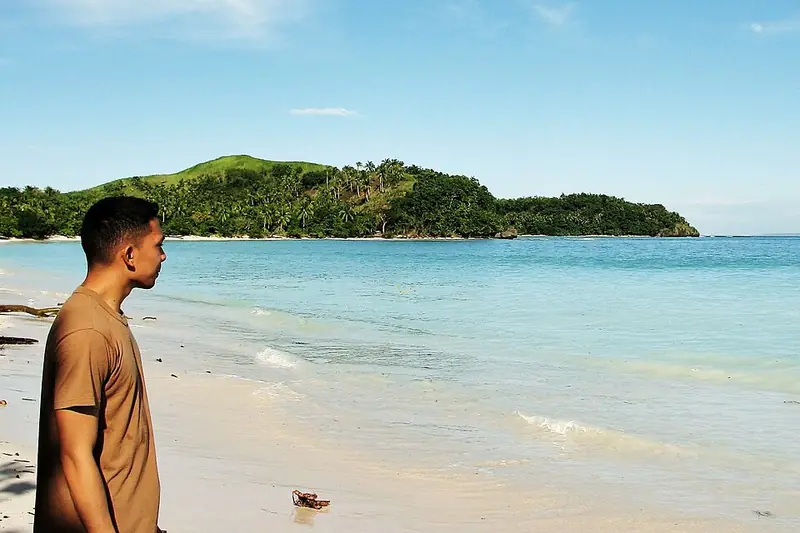
The southernmost municipality of Luzon. The ferry from Matnog to Allen, Northern Samar takes about 1.5 hours across the San Bernardino Strait. The strait passage gives a clear view of the transition from Luzon to the Visayas — open water on both sides, the two island groups visible simultaneously in good weather.

Irosin Hot Springs

Natural hot spring pools fed by the geothermal activity of the Bulusan volcanic complex. The Mapaso hot spring in Irosin municipality is the most accessible. The water temperature varies by pool — some are warm, some are near-scalding. The surrounding forest makes the setting pleasant.

The Last Fish

In the 1990s, the fishermen of Donsol hunted whale sharks. The sharks were large and their oil was valuable — liver oil for boat maintenance, flesh sold locally and in Bicol markets. A skilled crew could land one or two a season. It was work like any other work.

Then marine biologists arrived and counted. The aggregation at Donsol — hundreds of whale sharks in a single season, feeding on the plankton bloom of the Ticao Pass — was the largest known gathering of the world's largest fish. Nowhere else on earth had this been documented at this scale. The scientists brought the WWF. The WWF brought tourism planners. The tourism planners sat down with the fishermen and asked: what would it take for you to stop hunting them and start showing them to visitors instead?

The answer involved training, boats, and a structured income. Within a few years, the former hunters were guiding snorkellers through the water alongside sharks the length of buses, making sure no one touched them. The Donsol model was studied by conservation organisations worldwide. What it showed is unglamorous and practical: people do not destroy the things that sustain them when the sustaining income is real and reliable. The whale sharks are still there. The fishermen are still there. The arrangement holds.