The Weavers of the Tineg Valley
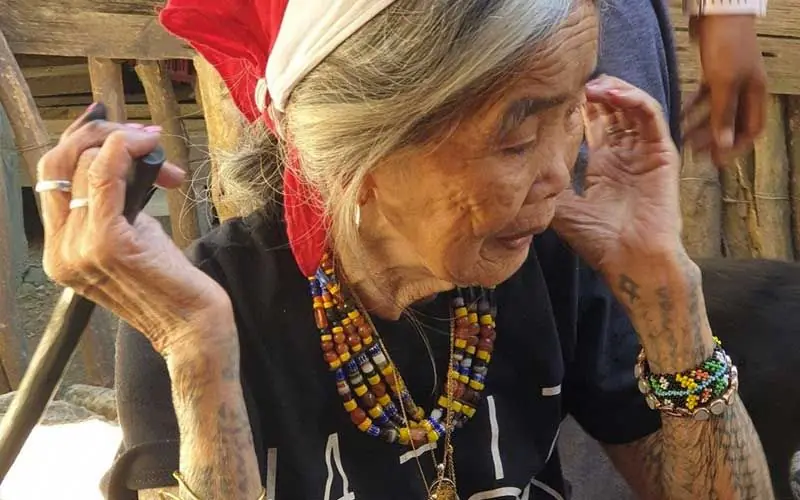
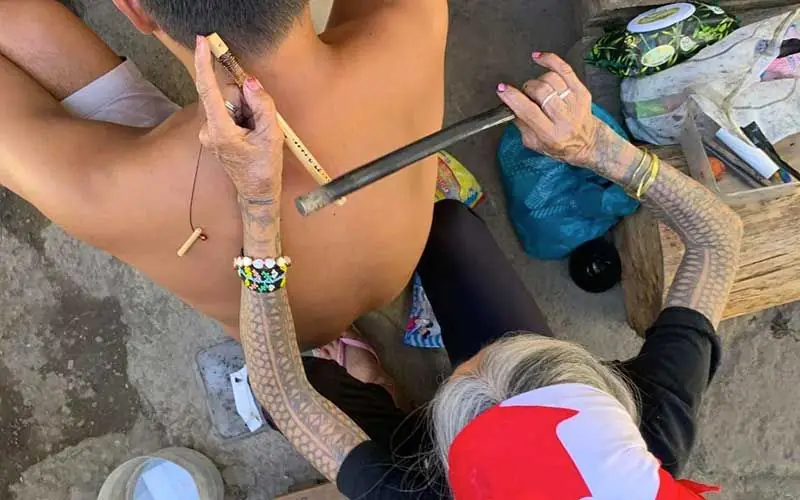
There is a skill in Abra that takes years to acquire and a lifetime to master. The Itneg women of the Tineg valley sit at their backstrap looms in the morning light and produce cloth that no machine can replicate — not for lack of trying, but because the cloth is not the point. The point is the knowledge encoded in the pattern, the family memory carried in the geometry, the conversation between a weaver and the tradition she inherited.
A pinilian textile from Abra can take weeks to complete. The supplementary weft threads are placed by hand, one by one, following a pattern held in memory rather than written in any guide. When a master weaver dies without passing the pattern to a daughter or granddaughter, that specific arrangement of color and geometry disappears. Not archived. Not preserved. Gone.
Pinilian weaving is widely admired. But admiration does not put food on a weaver's table, and young women in Tineg have the same calculations to make as young women everywhere: whether to stay with the loom, or go to the city. Some stay. The cloth continues. The mathematics of loss and survival runs through every thread.
The Basi Revolt's Shadow
In 1807, Ilocanos in Piddig, in present-day Ilocos Norte, rose against the Spanish government's monopoly on basi — the sugarcane wine that was the everyday drink of the Ilocano lowlands. The Basi Revolt was suppressed within months, but its memory runs through the culture of the entire Ilocos-Abra region. It is remembered not as a failure but as evidence: that the people of this corner of Luzon have always understood what is being taken from them, and have not always accepted it quietly.